
Ever wondered about the big energy questions? Like, will we ever run out of natural gas? It’s one of those things we use all the time – heating our homes, powering our stoves, even generating electricity – but how much of it is actually down there? And are we just burning through it like there's no tomorrow?
It’s a pretty natural question, isn’t it? Kind of like looking into your fridge and wondering if you have enough snacks for the week. Except, you know, on a global, geological scale. Let’s dive into this super interesting topic with a chill vibe, because the answer is way more nuanced and fascinating than a simple "yes" or "no."
What Even Is Natural Gas?
First things first, what are we talking about? Imagine tiny bits of ancient plants and animals, long, long, long ago, getting buried under layers of rock and dirt. Over millions of years, with immense heat and pressure, they transformed into crude oil and – you guessed it – natural gas. It’s mostly methane, a simple molecule, and it’s a pretty efficient fuel source. Think of it as nature’s slow-cooked energy, bubbling up from deep underground.
The Big Worry: Emptying the Tank?
When we talk about running out, it often brings up images of a fuel gauge hitting E. A sudden, dramatic stop. For natural gas, though, it’s not quite like that. For decades, experts have been trying to figure out how much is left. And guess what? Their predictions often get… well, re-predicted.
It’s a bit like someone telling you there are only 5 apples left in the orchard, but then a new season rolls around, or they discover a whole new section of apple trees they hadn't seen before!
The Incredible Power of Discovery and Tech
Here’s where it gets really cool. For a long time, we mainly tapped into natural gas that was easy to find and extract. We called these "conventional" reserves. But human ingenuity, especially in science and engineering, is pretty mind-blowing.
Enter new technologies. Tools like advanced seismic imaging allow us to "see" underground formations with incredible detail, almost like giving the Earth an X-ray. We can pinpoint pockets of gas that were previously invisible.
And then there’s the game-changer: horizontal drilling and hydraulic fracturing, often called "fracking." Without getting too technical, imagine drilling a well straight down, and then turning it sideways for miles within a specific layer of rock – almost like a giant, underground straw.
Then, tiny cracks are created in that rock to allow natural gas trapped within shale formations to flow out. This innovation dramatically opened up vast new supplies of "unconventional" natural gas, particularly in places like the United States. It was like suddenly finding a secret, extra pantry full of snacks you didn't know you had!
Because of these innovations, what was once considered "unrecoverable" or too expensive to get is now often within our reach. So, our understanding of "how much is left" keeps expanding. It's an ever-moving target!
Proven Reserves vs. Actual Reserves
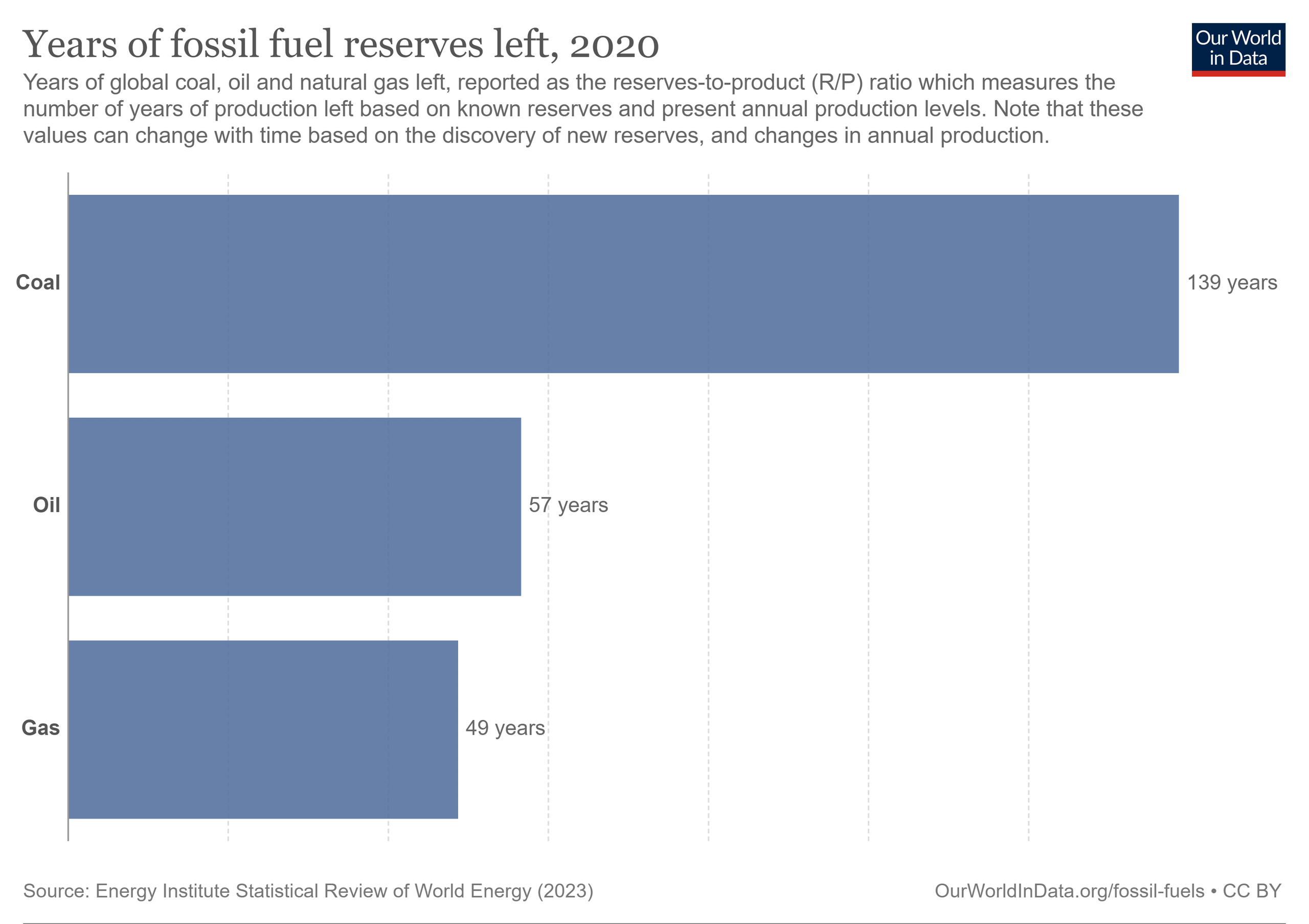
When you hear about "proven reserves," that’s usually gas we know exists and can recover economically with current technology. But beneath that, there are often much larger "unproven" or "potential" reserves that might become accessible as technology improves or if prices make it worthwhile.
It’s like knowing you have a certain amount of cash in your wallet (proven), but also knowing you have some old coins in a jar somewhere, and maybe even some gift cards you forgot about (unproven/potential). The total is usually much bigger than what's immediately obvious.
Demand, Renewables, and the Future Mix
The conversation isn't just about how much gas is out there, but also about how much we actually need and for how long. The world is increasingly looking towards renewable energy sources like solar and wind power. These technologies are getting cheaper and more efficient every year, meaning they’re starting to shoulder a bigger part of our energy burden.
So, while we might still use natural gas for decades to come, especially as a "bridge fuel" while we transition to fully renewable systems, our reliance on it might decrease. It’s like discovering you love kale smoothies, so even if there’s a massive chocolate cake available, you might not eat it all yourself.
So, Will We Hit Rock Bottom?
The current consensus among many energy experts is that we’re not likely to "run out" of natural gas in our lifetime, or even our grandchildren’s lifetimes, in the sense of hitting an empty tank. Thanks to new discoveries and amazing technology, the global supply picture looks pretty robust for the foreseeable future.

Instead, the bigger questions are often about:
- Where is it located?
- How much does it cost to get it out?
- And most importantly, what are the environmental impacts of extracting and burning it?
These are the discussions that are shaping our energy future more than the idea of a literal, sudden depletion.
A Journey, Not a Destination
So, next time you hear someone fret about running out of natural gas, you can offer a calmer, more curious perspective. It’s a dynamic, evolving situation driven by geology, technology, economics, and our collective choices about energy. We’re not necessarily hurtling towards an empty tank, but rather navigating a fascinating transition to a more diverse and sustainable energy landscape. Pretty cool, huh?