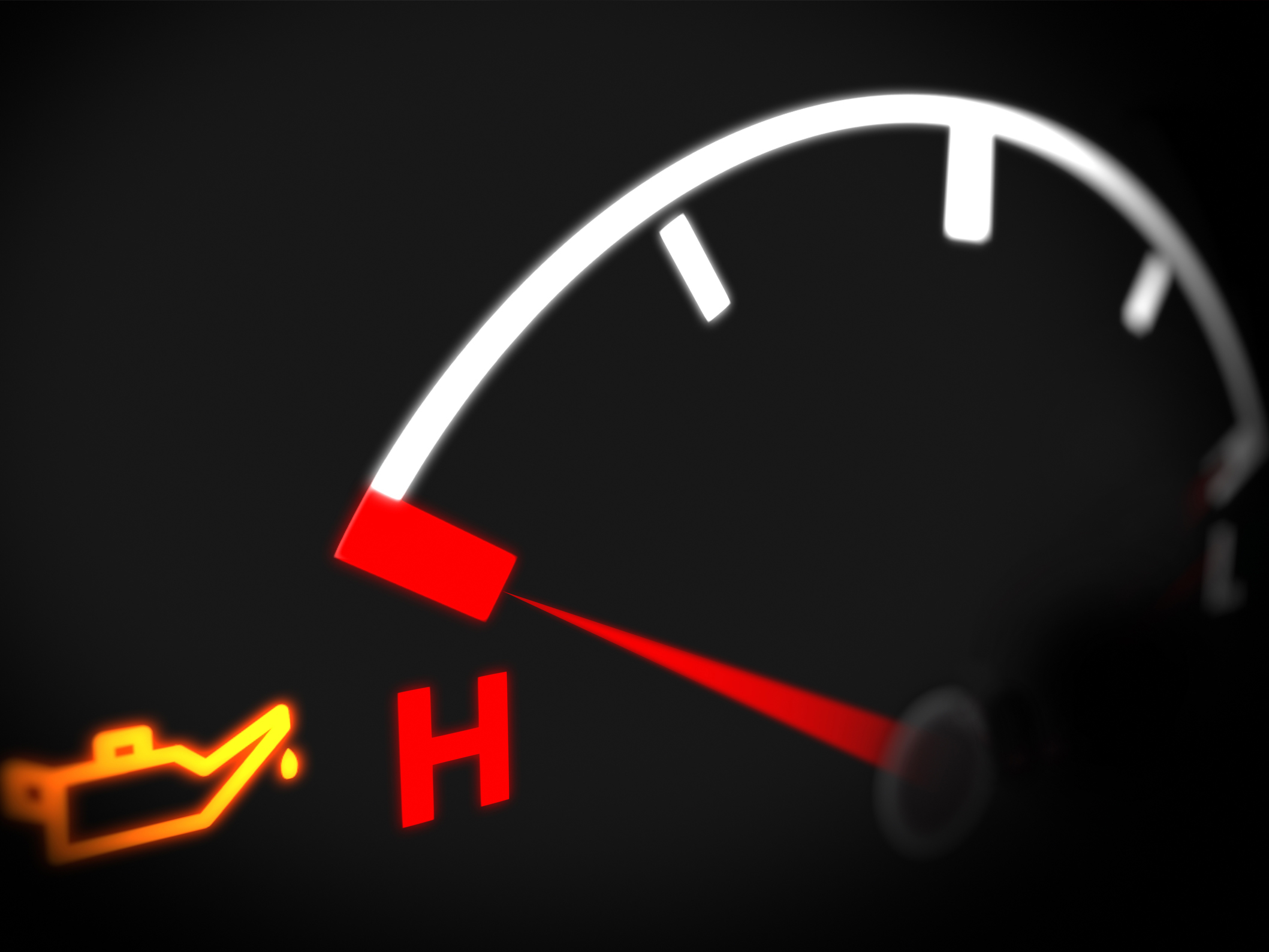
Alright, so you've noticed your car's oil pressure gauge is looking a little... enthusiastic? Maybe it's pegged way up high, making you scratch your head and think, "Wait, isn't low oil pressure the bad guy everyone warns me about?" You're not wrong to be a bit puzzled! While low oil pressure is certainly a siren song of impending doom, high oil pressure isn't exactly ideal either. It's like finding out your favorite superhero is suddenly too strong – good intentions, maybe, but still potentially causing some collateral damage!
Don't fret, my friend! It's less common than its low-riding cousin, but understanding why your oil pressure might be playing peek-a-boo at the high end of the scale can save you a lot of worry (and maybe a trip to the mechanic you didn't need). Let's dive in with a smile, shall we?
What Even Is Oil Pressure, Anyway?
Before we talk about it being high, let's do a quick refresher. Think of your engine's oil system as its circulatory system. The oil pump is the heart, pushing that golden fluid (or sometimes dark, well-loved fluid) through arteries and veins (oil passages) to lubricate all the moving parts. Oil pressure is simply the force with which that pump is doing its job. Too little, and parts don't get enough lube; too much, and... well, that's what we're here to discuss! You want it in the "just right" Goldilocks zone.
Reason #1: Your Engine is Just Waking Up (Cold Engine & Thick Oil)
This is perhaps the most common and least alarming reason for a high reading. When your car has been sitting overnight, especially in cooler weather, the oil gets thick. Really thick. Imagine trying to drink a super-thick milkshake through a tiny straw – you'd need a lot of pressure, right?
Your oil pump is facing a similar challenge. It's working harder to push that cold, viscous oil through the narrow passages. So, the pressure reading spikes. As your engine warms up (give it 5-10 minutes, depending on the outside temp), the oil thins out, and the pressure should settle back into its normal range. If it does, high-five! Your car just needed its morning coffee.
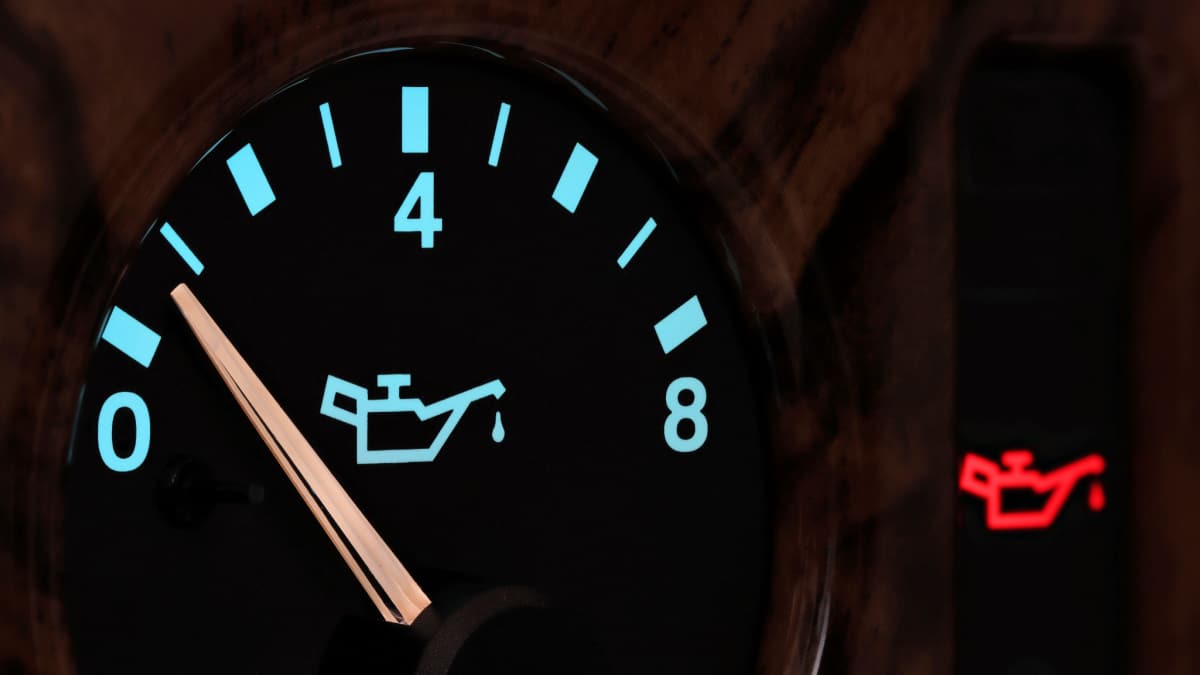
Reason #2: You're Using the Wrong "Milkshake" (Incorrect Oil Viscosity)
Speaking of thick milkshakes, are you sure you're using the right oil for your car? Your owner's manual isn't just a place to store old receipts; it tells you exactly what oil your engine needs (e.g., 5W-30, 0W-20). If you accidentally (or intentionally, thinking thicker is better) put in an oil that's too thick for your engine's specifications, especially in colder climates, it'll behave just like the cold oil scenario above – creating excessive pressure because it's harder to pump. It's like wearing a winter coat in summer; technically a coat, but completely wrong for the conditions!
Reason #3: The Messenger is Misfiring (Faulty Oil Pressure Sensor/Sender Unit)
Sometimes, the problem isn't with the oil system at all, but with the component telling you there's a problem. The oil pressure sensor (or sender unit) is like the car's little snitch, reporting back to your dashboard gauge. If this sensor goes kaput, it can send inaccurate readings – often wildly high ones – making you panic for no good reason.
This is a pretty common culprit if your gauge is suddenly reading super high without any other symptoms (like weird noises or performance issues). It’s often a relatively inexpensive fix, and your mechanic can test it to see if it's telling fibs.

Reason #4: The Safety Valve is Stuck (Malfunctioning Oil Pressure Relief Valve)
Every oil pump has a built-in "pressure relief valve." Think of it as a safety blow-off valve, designed to open when pressure gets too high, diverting some oil back to the pan and keeping things stable. If this valve gets stuck closed, it can't release that excess pressure, leading to a consistently high reading.
This isn't as common as a cold engine or a bad sensor, but it's more serious as it means the system itself isn't regulating pressure correctly. This one usually requires professional diagnosis and repair, so if you suspect this, it's time for a chat with your trusted mechanic.
Reason #5: A Clog in the Works (Blocked Oil Filter)
While less common for high pressure (a clogged filter usually leads to oil bypassing the filter, potentially causing low pressure at critical points), if an oil filter becomes extremely clogged, it can create a restriction that causes pressure to build up before the filter. It's like trying to push water through a garden hose that's completely kinked – pressure builds up at the kink. Regular oil and filter changes are key to avoiding this! Don't skip them, your engine will thank you.
So, When Should You Worry?
If your oil pressure stays consistently high after your engine has warmed up, or if it's accompanied by other alarming symptoms like strange engine noises, warning lights, or performance issues, then it's definitely time to get it checked out by a professional. While high pressure isn't always as instantly catastrophic as low pressure, it can still lead to problems like oil seal leaks, premature wear on certain components, or even damage if a relief valve is truly stuck.
The Happy Ending
Ultimately, a high oil pressure reading can be a bit of a head-scratcher, but often it's something relatively simple like cold oil or a faulty sensor. By understanding these common reasons, you're now armed with a bit more knowledge, which is always empowering! Don't let your car's gauges stress you out too much. Listen to your vehicle, give it a little attention, and it’ll usually tell you what it needs. And who knows, maybe it just needed you to read this article to feel better! Here’s to many more happy miles – and perfectly balanced oil pressure!
![High Oil Pressure: Main Causes & Treatment [2025 UPDATED]](https://torquewrenchcenter.com/wp-content/uploads/2021/03/High-Oil-Pressure-–-Main-Causes-and-Treatment-768x512.jpg)