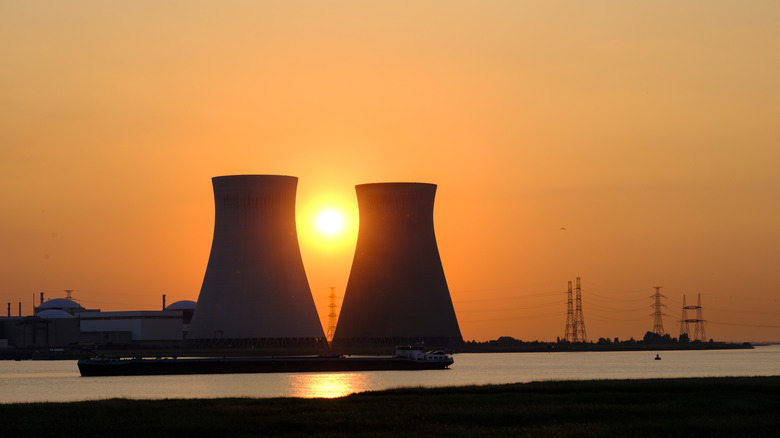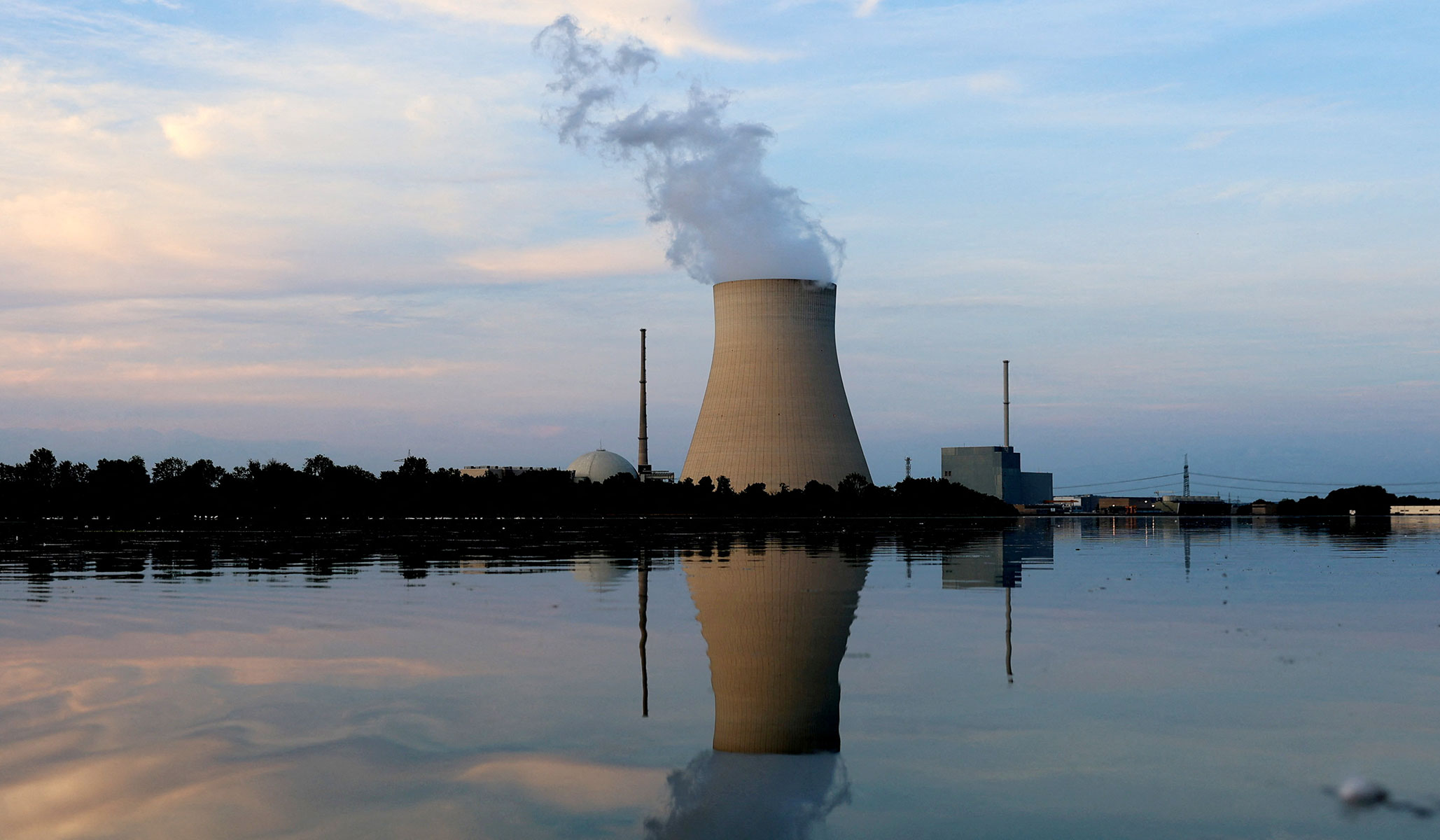
Hey there, fellow curious minds! Ever scrolled past an article about energy and thought, "Wait a minute... nuclear power? Isn't that like, superhero stuff? Why isn't it everywhere?" You're not alone! It's one of those topics that sounds incredibly powerful and futuristic, yet it feels like it’s always just around the corner, or maybe stuck in a time warp. Let's dive in with a chill, friendly vibe and explore why this fascinating energy source isn't powering every single gadget in your life.
The "Wow" Factor: Why Nuclear Power is So Darn Cool
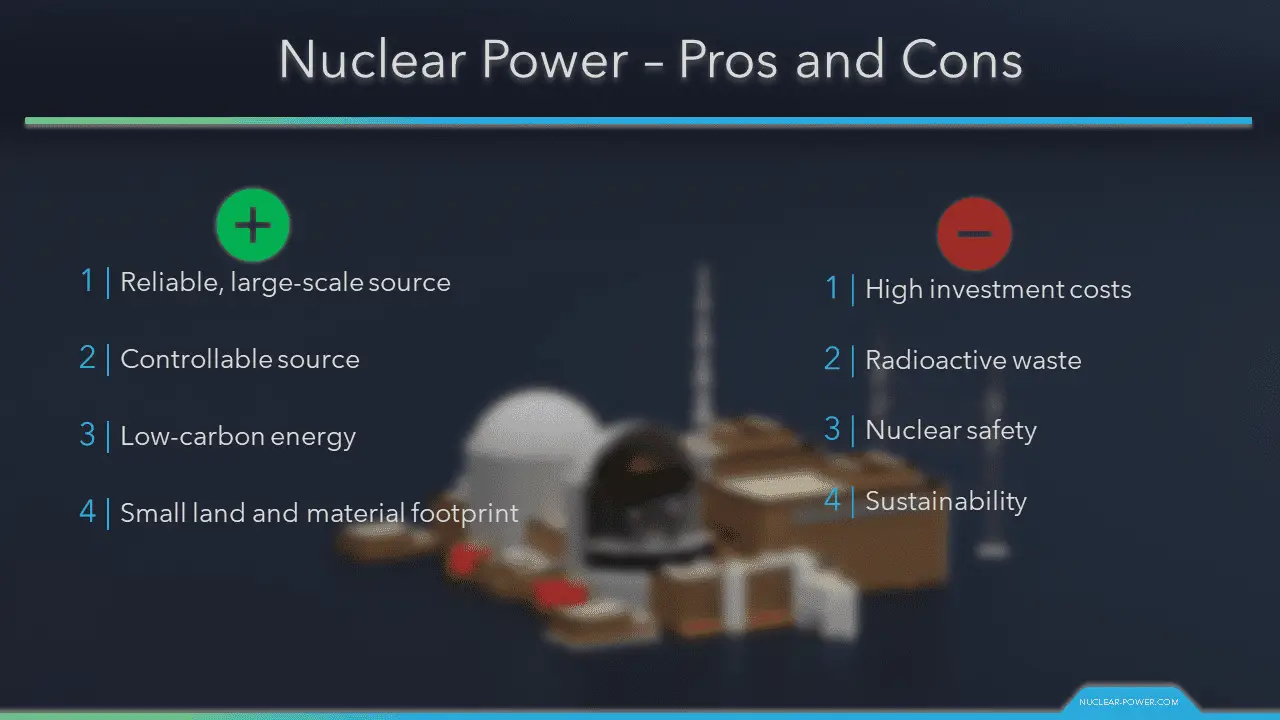
First off, let's talk about why nuclear power is so captivating. Imagine something so tiny, yet so packed with energy, it makes your jaw drop. We're talking about uranium pellets, each one about the size of your fingertip. Want a mind-blowing comparison? A single uranium pellet holds as much energy as a ton of coal or 17,000 cubic feet of natural gas! That's like fitting an entire fuel tanker into a sugar cube. Pretty wild, right?
What's even cooler is how it works. Nuclear power plants essentially boil water to create steam, which then spins a turbine to generate electricity – much like a coal or natural gas plant. The big difference? Instead of burning fossil fuels, they split atoms (a process called fission) to generate that heat. And guess what? During operation, this process produces zero greenhouse gas emissions. Yep, you heard that right. No carbon dioxide wafting into the atmosphere from the energy production itself. It's a truly powerful, always-on, clean energy source that doesn't depend on the sun shining or the wind blowing. It’s like having a tireless, super-efficient energy workhorse that just keeps going, day and night.
So, Why Isn't It Everywhere? Let's Get Curious!
Given all that awesomeness, it seems like a no-brainer, right? Nuclear power should be our energy MVP! But here's where things get a bit more... complicated. There are some really big hurdles that have kept this energy giant from taking over the world.
The Shadow of Public Perception (and a little bit of Hollywood)
Let's be honest, when you hear "nuclear," what's the first thing that comes to mind for many people? Often, it's not a sparkling clean power plant, but rather images of mushroom clouds, Homer Simpson at a control panel, or historical accidents like Chernobyl and Fukushima. These events, though rare and often due to outdated designs or extreme natural disasters, have cast a very long shadow over the industry. Public trust is a huge factor, and rebuilding it after decades of fear and sci-fi movie tropes is incredibly tough. It's like trying to convince everyone that a misunderstood monster is actually a fluffy kitten – challenging, to say the least!
The "What Do We Do With the Leftovers?" Question
No picnic is complete without some leftovers, but nuclear power's leftovers are a bit more... persistent. We're talking about spent nuclear fuel. After the uranium has been used, it's still highly radioactive and needs to be stored safely for thousands of years. Yes, thousands. Currently, much of it is stored in specialized, secure facilities, but finding a permanent, universally accepted solution for long-term disposal is a massive, ongoing challenge. It’s not like recycling your plastic bottles; this requires a deep geological repository that can withstand the test of millennia. Talk about a storage problem!
The Epic Cost and Time Commitment
Building a nuclear power plant isn't like assembling IKEA furniture. It's more like building a small city, or maybe even a space station, on Earth. The sheer cost is staggering – billions upon billions of dollars. And the time? We're talking a decade or more from planning to power generation, thanks to incredibly strict safety regulations, complex engineering, and extensive licensing processes. This huge upfront investment and lengthy timeline make it a tough sell compared to, say, a new solar farm that can be up and running much faster and cheaper. It requires serious long-term commitment and deep pockets.
Security Concerns and Proliferation Worries
The very stuff that makes nuclear power so potent – enriched uranium – can also be used to make nuclear weapons. This means nuclear facilities and materials need top-tier security to prevent theft or misuse. There are also international concerns about proliferation, making sure that countries developing nuclear power don't secretly divert materials for weapons programs. This isn't just about building power plants; it's about global stability and peace, adding another layer of complexity and scrutiny.
A Glimmer of Hope: The Next Generation?
Despite these challenges, the conversation around nuclear power is shifting, especially with growing concerns about climate change. Engineers and scientists aren't sitting still! There's a lot of excitement around new designs, like Small Modular Reactors (SMRs). Imagine smaller, factory-built reactors that are inherently safer, potentially cheaper, and quicker to deploy. They're like the compact, efficient car of the nuclear world, compared to the huge, custom-built limousine of older designs.
Even more futuristic are "Generation IV" reactors and the ultimate dream: fusion power, which promises even cleaner energy with less radioactive waste by fusing atoms instead of splitting them – basically recreating a tiny sun on Earth! But that's still largely experimental and a long way off from widespread use.
The Curious Conclusion
So, why isn't nuclear power used more? It's a cocktail of historical perception, tricky waste management, astronomical costs, lengthy timelines, and very real security concerns. It's not a simple "yes" or "no" answer, but a really fascinating puzzle with many pieces. As we search for reliable, clean energy solutions, nuclear power remains a powerful, albeit complex, player on the global stage. It’s certainly one to keep an eye on – perhaps its brightest days are still ahead, evolving to meet our world's ever-growing energy needs! What do you think?