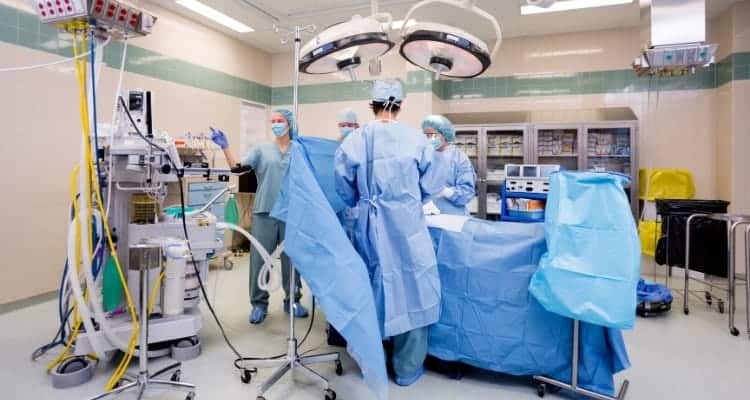
Step into an operating room, and one of the first things you might notice (besides the incredibly focused medical professionals) is the distinct chill in the air. It's often so cold it feels like you've just walked into a walk-in freezer! If you've ever had surgery, visited a loved one in recovery, or even just seen a medical drama on TV, this frosty environment is a common, almost universal experience. But why, exactly, is it so darn cold? Is it just a quirky preference of surgeons, or is there a genuine, science-backed reason? As it turns out, there are several incredibly practical and fascinating reasons why ORs keep their cool, making this a surprisingly interesting peek behind the curtain of modern medicine!
One of the most significant reasons for the frosty atmosphere boils down to infection control. Bacteria and other microorganisms thrive in warm, humid environments. By keeping the operating room temperature significantly lower (often between 68 and 73 degrees Fahrenheit, or 20-23 degrees Celsius), hospitals effectively create a less hospitable environment for these unwelcome guests. Lower temperatures can slow down the growth and reproduction of bacteria in the air and on surfaces, significantly reducing the risk of surgical site infections. Think of it like refrigerating food to keep it fresh – a colder environment helps preserve a sterile field.
Beyond battling microbes, the cold also serves a crucial purpose for the high-tech equipment crammed into these spaces. Modern operating rooms are veritable hubs of sophisticated machinery: monitors, intricate surgical tools, imaging equipment, and advanced robotic systems. All these devices generate heat. If the room were warm, these machines could easily overheat, potentially malfunctioning or even breaking down during a critical procedure. A cooler environment helps to regulate equipment temperature, ensuring everything runs smoothly and reliably. It's like keeping your computer cool to prevent it from crashing – essential when lives are on the line!
And let's not forget about the surgical team themselves! Surgeons, nurses, and anesthesiologists are engaged in incredibly demanding work that requires intense focus and physical exertion for hours on end. They're often draped in sterile gowns, masks, and gloves, which can feel quite warm. The combination of physical activity, multiple layers of clothing, and the stress of performing complex procedures means they generate a lot of body heat. A cooler room helps them stay comfortable, alert, and prevent fatigue. Imagine trying to perform delicate surgery while sweating profusely – not ideal! A cool environment allows them to concentrate fully on the task at hand without discomfort.
While the patient is often kept warm with blankets and warming devices to prevent hypothermia (a potential side effect of prolonged exposure to cold and anesthesia), the overall coldness of the room is a carefully calibrated choice. It's a testament to the meticulous planning and dedication to safety that goes into every surgical procedure. So, the next time you shiver a little while imagining an operating room, remember that every degree of that chill is playing a vital role in patient safety, equipment reliability, and surgical precision. It's not just cold for cold's sake; it's cold for everyone's good!