Okay, let's talk about something that often gets a bad rap, but is actually one of the most incredible, life-giving forces on our planet: the greenhouse effect! You might hear it discussed with a sigh or a frown, often linked to scary headlines. But here's a fun secret: without it, Earth would be a barren, frozen wasteland. Understanding this fundamental process isn't just useful; it's genuinely fascinating to realize how delicate and perfect our planetary balance truly is. So, let's flip the script and celebrate why the greenhouse effect is, in its natural form, absolutely wonderful and utterly essential for life as we know it!
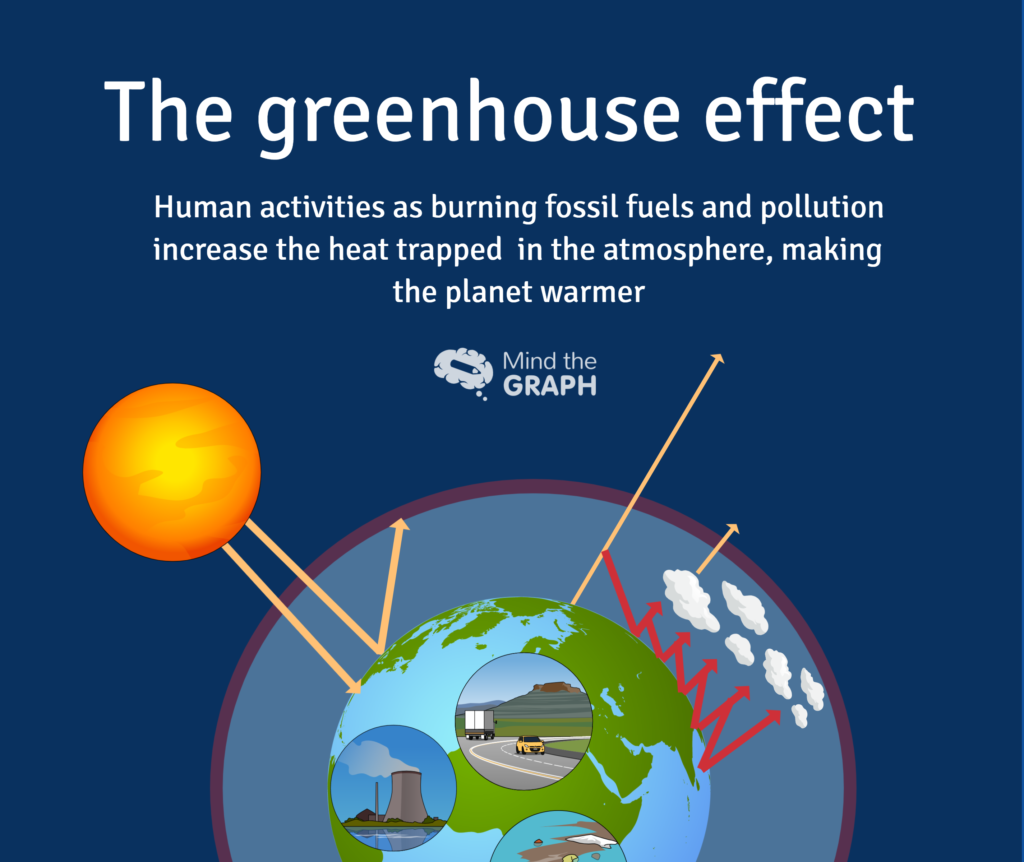
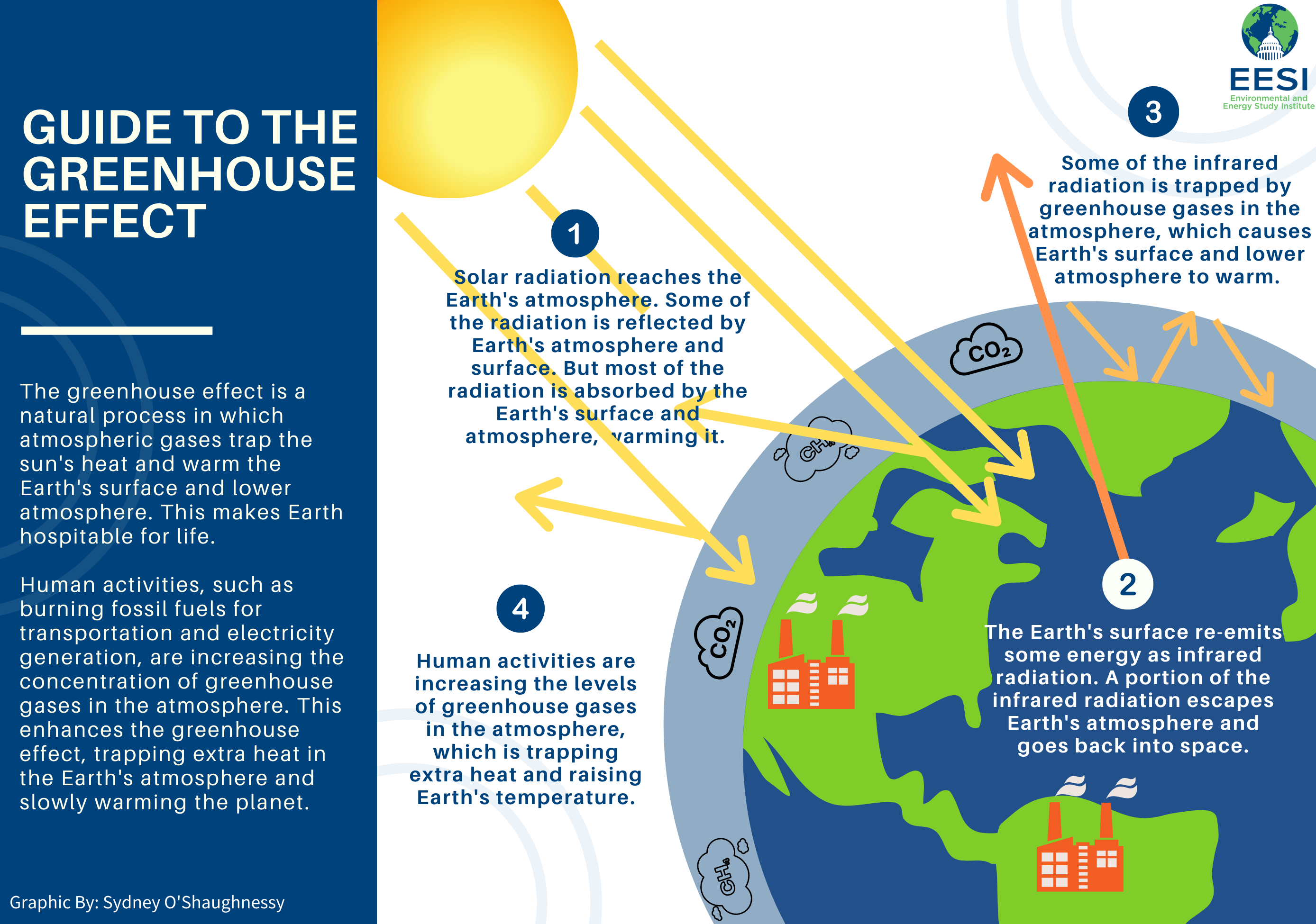
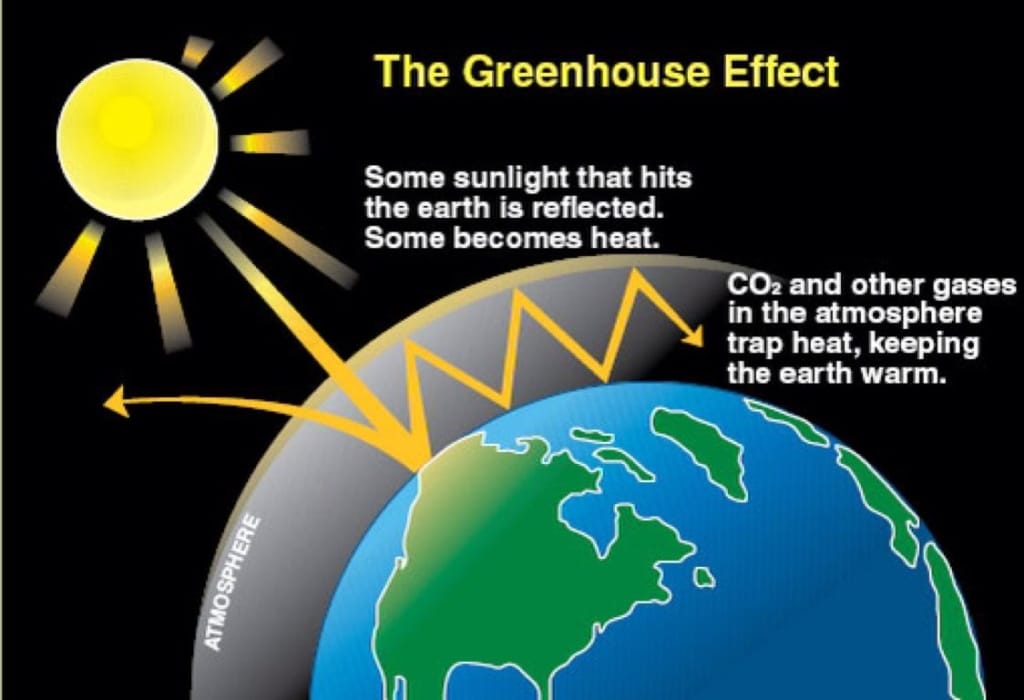
Imagine our Earth without a cozy blanket. That's essentially what would happen without the natural greenhouse effect. Its primary purpose is to act like a celestial insulator, trapping some of the sun's energy that bounces off our planet. Certain gases in our atmosphere – like water vapor, carbon dioxide, methane, and nitrous oxide – are really good at this. They let sunlight in, but they don't let all the heat escape back into space. Think of it like a duvet on a cold night; it keeps the warmth in, making your bed nice and snug.
So, what are the magnificent benefits of this atmospheric snuggle? The biggest, most profound benefit is simply this: the greenhouse effect keeps our planet warm enough to sustain life. Without these heat-trapping gases, Earth's average temperature would plummet to a bone-chilling -18 degrees Celsius (0 degrees Fahrenheit). At that temperature, water – the very elixir of life – would be permanently frozen. Oceans would be solid ice, rivers non-existent, and rain a distant dream.
Thanks to the natural greenhouse effect, Earth enjoys an average temperature of about 15 degrees Celsius (59 degrees Fahrenheit). This is the sweet spot! It's warm enough for liquid water to flow freely, creating the vast oceans, rivers, and lakes that are home to countless species and vital for every living thing, from the smallest microbe to the largest whale. It allows plants to flourish, performing photosynthesis and providing the oxygen we breathe and the food we eat. In essence, it creates the perfect conditions for biodiversity and the complex ecosystems that make our planet so vibrant and unique.
Consider our planetary neighbors. Mars, with its thin atmosphere and weak greenhouse effect, is a frozen desert. Venus, on the other hand, has a runaway greenhouse effect, making it an inferno hot enough to melt lead. Earth has found the just right balance, a delicate thermal equilibrium provided by this natural process. It’s what allows us to have agriculture, bustling cities, comfortable homes, and simply, life itself. So next time you hear about the greenhouse effect, remember its incredible, life-giving purpose. It's not inherently bad; it's one of Earth's most precious natural gifts, making our planet the beautiful, habitable home it is.