
Hey there, ever found yourself squinting at a sizzling summer forecast, dreaming of a cool escape? Chances are, your mind drifted to the mountains. It's a universal truth, isn't it? As soon as you start climbing those winding roads, that oppressive heat often seems to magically melt away, replaced by a refreshing crispness that makes you want to take a deep, happy breath. But have you ever stopped to wonder why? Why do mountains always seem to have their own secret air conditioning system running on full blast?
Well, pull up a comfy chair (maybe with a view of some peaks?) because we're about to unravel that little mystery. It’s not just magic, though it certainly feels like it sometimes. It’s a beautiful dance of physics and nature, and understanding it makes those mountain getaways even sweeter.
The Thin Air: Nature's Thinner Blanket
Imagine the air around our Earth is like a big, cozy blanket. Down here at sea level, that blanket is pretty thick and dense. All those air molecules are pressed together, hugging tight, and doing a fantastic job of trapping heat. Think of it like being snuggled under a heavy duvet on a cold night – all that trapped air keeps you toasty!
Now, as you climb higher up a mountain, you're essentially peeling back layers of that blanket. The air gets thinner. There are fewer air molecules floating around, and they’re much more spread out. With less "stuff" to hold onto the sun’s warmth, that heat escapes back into space much more easily. It's like swapping your heavy duvet for a light sheet. You just don’t retain as much heat, and voilà! Instant cool.
This is why high-altitude cities like Denver, or even higher, in the Andes, can have blazing sun but still feel significantly cooler than a sticky, humid city at sea level. Less air means less heat-trapping power. Simple, right?
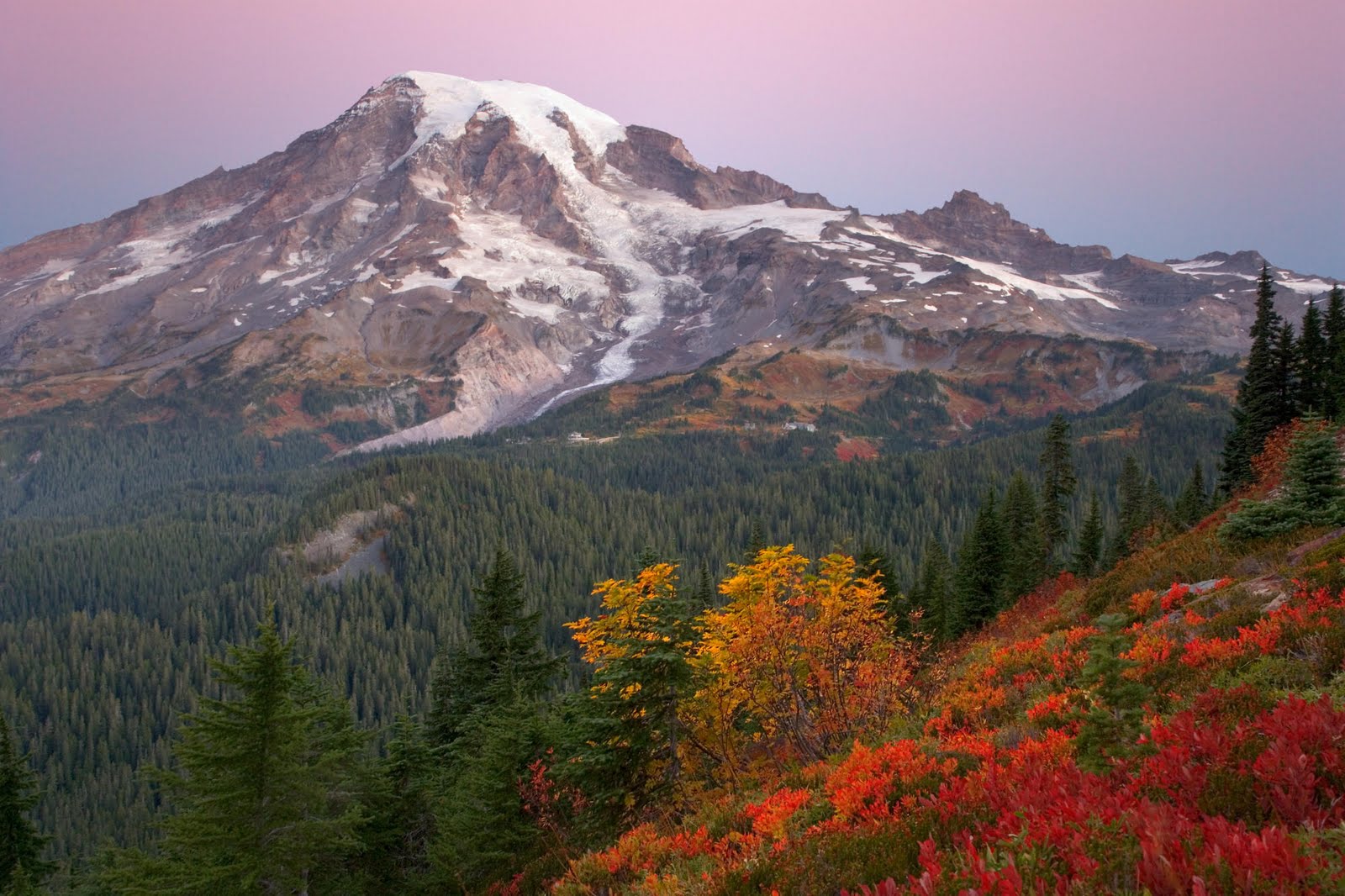
The Great Expansion: Air That Chills Itself Out
This next bit is super cool (pun absolutely intended!). You know how when you pump up a bicycle tire, the pump often gets warm? That's because you're compressing air, and compression creates heat. Well, the opposite happens in the mountains.
As air from lower elevations rises up a mountain, it encounters less atmospheric pressure. There's not as much "stuff" pushing down on it from above. So, what does it do? It expands! Imagine giving a big sigh of relief after holding your breath – that's a bit like what the air does. And here’s the neat trick: when air expands, it uses up energy. Where does it get that energy from? Its own internal heat!
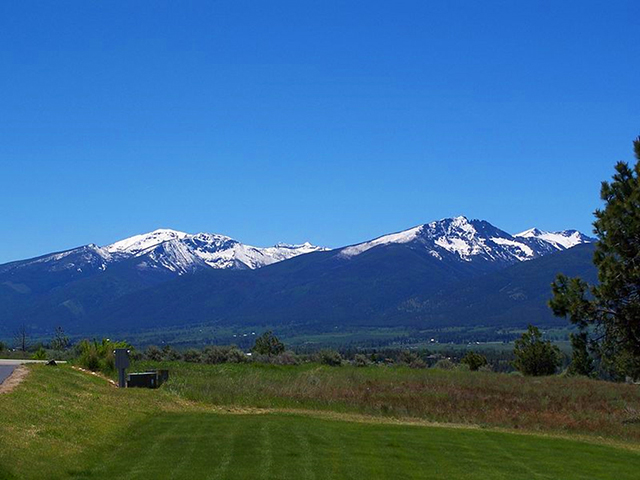
So, as the air rises and expands, it literally chills itself out. It’s like a tiny, invisible air conditioner working tirelessly. This process, called adiabatic cooling (don't worry about the fancy name!), is a huge player in why those higher altitudes are so refreshing. The air basically does a little thermodynamic yoga, stretching out and getting cooler in the process.
Nature's Giant Fan: The Mountain Breeze
Ever noticed that mountains often feel a bit breezier than lowlands? That’s not your imagination! Mountains stand tall and proud, often acting as barriers to prevailing winds. This means they're much more exposed to air currents. There's less sheltering from buildings or dense vegetation to block the wind.
Wind is an excellent heat dissipater. It literally sweeps away the warmer air near the surface, replacing it with cooler air. Think of it like this: if you’re standing in a stuffy room, opening a window and getting a cross-breeze makes things instantly more comfortable, right? Mountains are essentially one giant, always-open window to the sky, constantly fanning themselves with cool air. So that delightful gust you feel while hiking? It’s not just a pleasant sensation; it’s an active cooling mechanism!
Green Power: Forests as Nature's AC Units
And let’s not forget the incredible role of all that greenery! Many mountain ranges are blanketed in lush forests. Trees are like the Earth’s natural air conditioners. First, their dense canopy provides glorious shade. Standing under a thick tree cover on a sunny day is dramatically cooler than being out in the open, even at the same elevation. This shade blocks a huge amount of solar radiation from reaching the ground and heating it up.

But trees do something even cooler (again, pun intended!): they perform transpiration. This is where they release water vapor from their leaves into the atmosphere. It’s essentially how plants "sweat." Just like sweating cools your body, this process has a significant cooling effect on the surrounding air. Forests literally pump cool, moist air into their environment, creating a microclimate that's noticeably more temperate and pleasant. It's like having millions of tiny humidifiers working overtime, but in a good, cooling way!
So, Why Should We Care About This Mountain Magic?
Beyond the fascinating science, understanding why mountains are cooler is actually pretty useful!
- Your Summer Sanctuary: Need to escape the sweltering city heat? Now you know exactly why those mountain cabins and trails offer such sweet relief. Plan your getaways strategically!
- Better Sleep: Ever struggled to sleep in a heatwave? Cooler mountain air often means more comfortable nights, leading to better rest and more energy for exploring.
- Active Adventures: The cooler temperatures make hiking, climbing, or even just strolling through nature much more enjoyable and less prone to overheating. Who wants to feel like a melting Popsicle on the trail?
- Appreciating Nature's Design: Knowing the "how" behind the cool makes you appreciate the intricate and brilliant systems of our planet even more. It's a reminder of how everything is interconnected.
So, the next time you feel that refreshing mountain breeze on your face, or marvel at the crisp air during a sunrise hike, take a moment to appreciate the incredible combination of thin air, expanding breezes, natural fans, and leafy AC units all working together. It’s not just a feeling; it’s a beautifully orchestrated natural phenomenon designed to keep those majestic peaks delightfully cool. And we, the heat-weary lowland dwellers, are all the better for it!