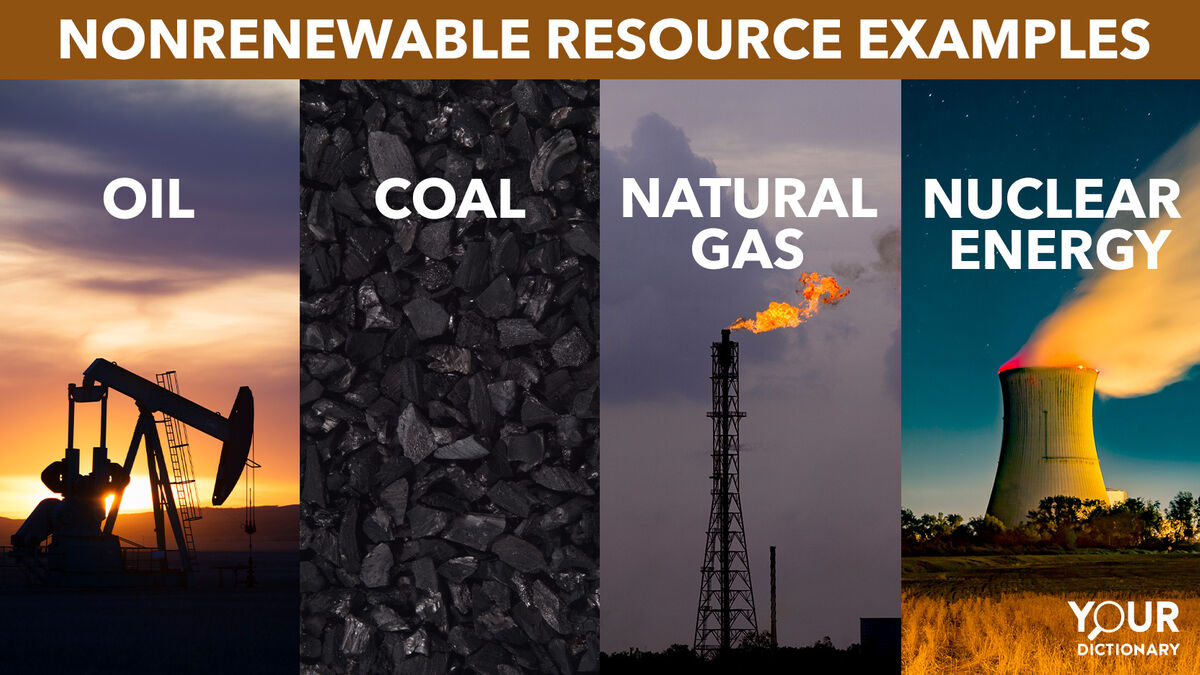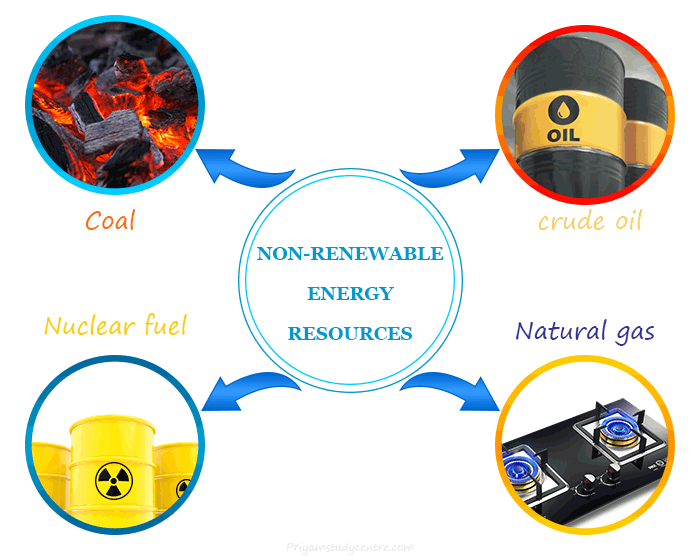
Ever hopped into a car, switched on a light, or unwrapped something made of plastic? Then you've probably interacted with crude oil today! It's the silent workhorse behind so much of our modern world, and understanding where it comes from, and why it's a finite resource, is not just fascinating, but incredibly useful. Think of it as a crucial puzzle piece in our global energy picture, and knowing its story helps us make smarter choices for the future. So, let's dive into the amazing, ancient tale of crude oil and uncover why it's something we can't simply make more of!
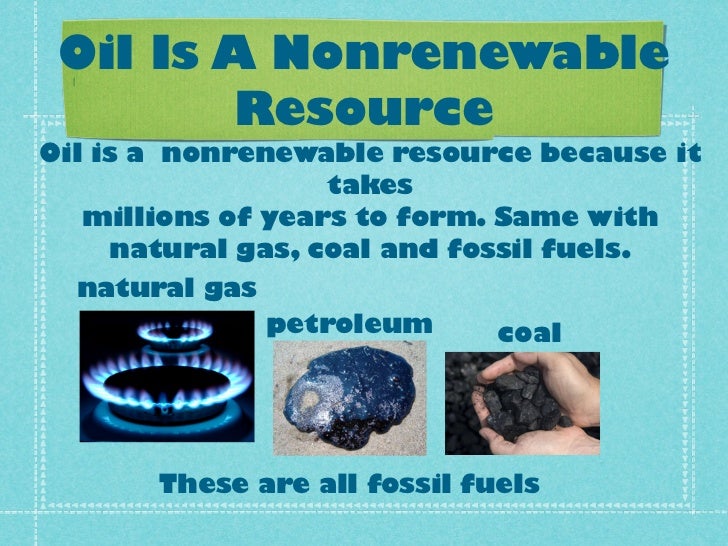
First off, what exactly is crude oil? Imagine it as a thick, black, gooey liquid extracted from deep beneath the Earth's surface. It's often called "black gold" because of its immense value once refined into fuels like gasoline, diesel, jet fuel, and countless other products, from plastics to pharmaceuticals. But here's the kicker: it’s a fossil fuel. And that "fossil" part is the key to understanding its non-renewable nature.
The story of crude oil begins not with dinosaurs, as many think, but mostly with tiny marine organisms like algae and zooplankton. Millions upon millions of years ago, when these microscopic creatures died, their remains drifted down to the bottom of ancient oceans and lakes. There, they mixed with mud and other sediments, forming layers of organic-rich muck. Over incredibly long periods, more and more layers of sediment piled on top, burying the organic matter deeper and deeper.
As these layers accumulated, they exerted immense pressure on the buried organic material. This pressure, combined with the Earth's natural heat from deep within the crust, began to cook and transform the dead organisms. Imagine an incredibly slow-motion, geological pressure cooker! Over tens of millions to hundreds of millions of years, this heat and pressure gradually broke down the complex organic molecules, converting them into hydrocarbons – the compounds that make up crude oil and natural gas.
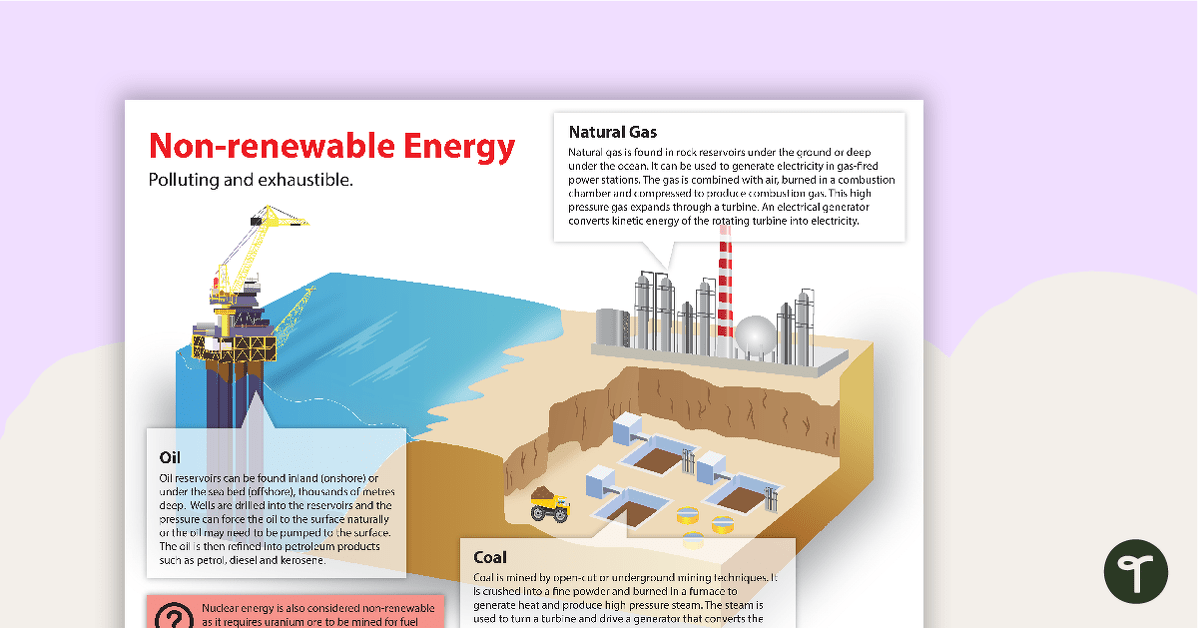
So, why is this process so critical to its non-renewable status? Because it takes an almost unfathomable amount of time – geological timescales, not human ones! We're talking about periods longer than humans have even existed on Earth. When we pump crude oil out of the ground, we are extracting a resource that took eons to form. We consume it at a rate far, far faster than nature can possibly replenish it. A few barrels of oil today might have started forming when dinosaurs still roamed the Earth!
Understanding this helps us grasp the purpose and benefits of knowing about non-renewable resources. It highlights that crude oil is a finite supply. It means there's a limited amount available, and once it's gone, it's gone for good (at least on any timescale relevant to us). This knowledge fuels our drive to explore and develop renewable energy sources like solar, wind, and hydro power. It encourages innovation, conservation, and a thoughtful approach to our energy consumption, ensuring a more sustainable future for everyone. It's not just about running out; it's about being prepared and creating a better, cleaner world for generations to come!