Okay, picture this: you’ve just grabbed your favorite takeout coffee – you know, the one in the fancy compostable-looking cup (but is it really?). You take a sip, maybe admire the steam curling up. Everything feels right with the world. Now, imagine tiny, invisible fragments of plastic – yes, from that very cup, or perhaps the lid, or maybe even just the air around you – making their way into that delicious beverage, and then, poof, into your body. Sounds a bit sci-fi, right?
Well, stick with me here, because what sounds like a dystopian future is actually our rather plastic-coated present.
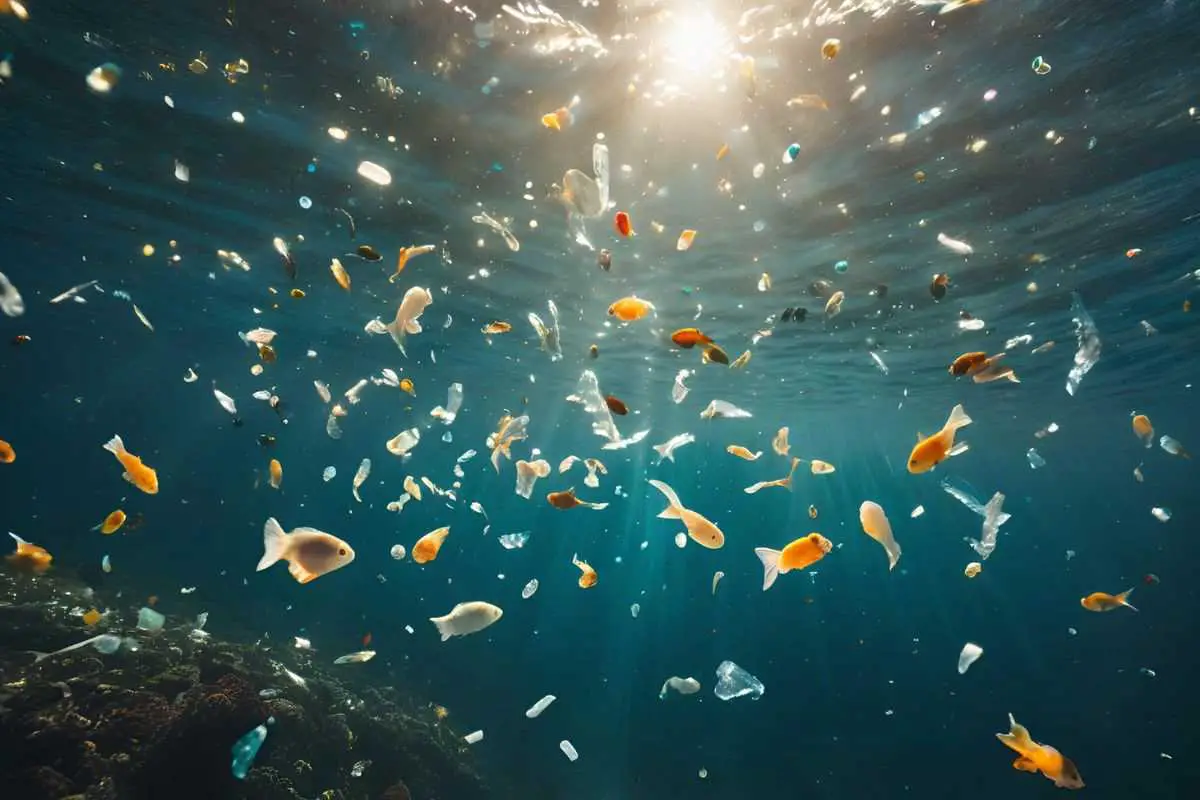
You see, we're talking about microplastics, and they're not just a problem for turtles in the ocean anymore. Turns out, they're a problem for us. And when I say "us," I mean you, me, your pet goldfish, even your future grandkids. Because, spoiler alert, these tiny plastic bits are everywhere, and they're increasingly showing up in places they absolutely shouldn't be: inside our bodies.
So, what exactly are these little terrors? They're pieces of plastic less than 5 millimeters long – think sesame seed or smaller. Some are intentionally made that size (like microbeads in old exfoliants, or glitter, shudder). Most, however, are the result of larger plastic items breaking down over time, battered by sun, waves, and simply existing in the environment. And because plastic is pretty much indestructible (in a bad way), these pieces just get smaller and smaller, without ever truly disappearing.
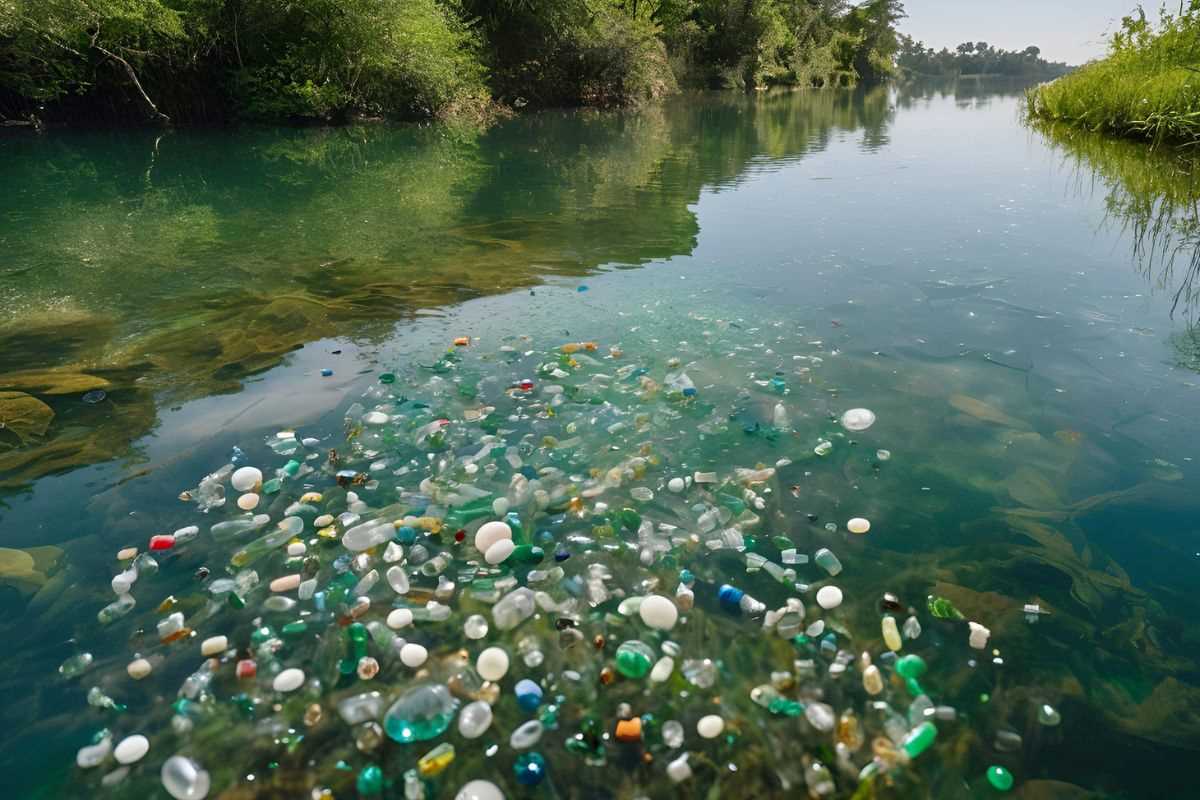
How do they even get into us, you ask? Oh, let me count the ways! They're in the food we eat (hello, seafood, salt, and even fruits and veggies that absorb them from contaminated soil or water). They're in the water we drink – tap water, bottled water (oh, the irony!), you name it. And they're definitely in the air we breathe, floating around from synthetic clothes shedding fibers, tire dust, and all sorts of other plastic-laden goodness. Basically, if it's edible or breathable, there's a good chance it's got a side of microplastic. Yum.
Now, let's get to the nitty-gritty: why should you actually care? Beyond the unsettling thought of being part-plastic, there are some pretty compelling reasons why this isn't just a weird quirk of modern life.
They're Physically Annoying (at best)
Imagine tiny, sharp, indigestible bits trying to navigate your delicate internal systems. Not great, right? When microplastics enter our bodies, particularly our digestive tract, they can cause physical irritation. Our body sees them as foreign invaders (which they are!) and tries to fight them off, which can lead to inflammation. Chronic inflammation is a known precursor to a whole host of health issues, from gut problems to more systemic diseases. Your gut, which is pretty much your second brain, does not appreciate having plastic glitter sprinkled through it.

They're Chemical Cocktails
This is where it gets a bit more insidious. Plastics aren't just inert little bits; they're made with a whole cocktail of chemicals. Think BPA, phthalates, flame retardants, and a bunch of other tongue-twisting compounds. These chemicals can leach out of the plastic once it's inside your body. Many of these are known as endocrine-disrupting chemicals (EDCs). And what do EDCs do? They mess with your hormones. Like, seriously mess with them.
We're talking potential impacts on your reproductive health (fertility issues, anyone?), your metabolism, your immune system, and even your brain function. Basically, anything controlled by hormones – which is, well, pretty much everything – could be thrown off balance. It's like having a rogue DJ randomly changing the tracklist of your body's carefully curated playlist.

And if that wasn't enough, microplastics are also like tiny, incredibly effective sponges. As they float around in the environment, they absorb other harmful pollutants – pesticides, heavy metals, industrial chemicals – from the water or soil. So, when you ingest a microplastic, you're not just getting the plastic and its original chemicals; you're also getting all the extra nasties it's picked up along the way. It's a double whammy of environmental toxins, delivered directly to your insides.
The Long-Term Unknowns (and what we do know)
Here’s the thing: our bodies aren’t designed to process plastic. So, when these microplastics get in, they tend to stick around. They can accumulate in various organs, and scientists are still racing to understand the full long-term implications. Early research, though, isn't exactly reassuring. Studies are beginning to link microplastic exposure to increased risks of things like certain cancers, neurodevelopmental problems, and further immune system dysregulation. We're basically, unwittingly, part of a grand experiment on a planetary scale.
So, while you can't realistically avoid all microplastics (they're literally everywhere), understanding why they're bad for you is the first step. It's not about panicking, but about becoming more aware of our plastic consumption and pushing for bigger systemic changes. Because, let's be real, none of us signed up to be walking, talking plastic receptacles.