Every hurricane season, as soon as a tropical storm strengthens and threatens our shores, a name instantly pops into the headlines: Hurricane Cindy, Tropical Storm Fred, or maybe even the dreaded Hurricane Ian. Have you ever paused to wonder, "Who comes up with these names?" Is there a secret government agency brainstorming catchy monikers in a bunker somewhere? Or perhaps a committee of meteorologists drawing names from a hat? It’s a fun and fascinating question that many of us ponder, especially when a storm is headed our way. Understanding who names these powerful weather systems not only satisfies our curiosity but also highlights a crucial aspect of public safety and international cooperation.
The practice of naming hurricanes isn't just a quirky tradition; it serves a critically important purpose. Imagine trying to track multiple storms in the Atlantic basin if they were all simply referred to by their latitude and longitude, or even just as "the storm near Florida." It would be a recipe for confusion! Naming tropical storms and hurricanes provides a clear, unambiguous way for forecasters, emergency responders, and the public to refer to a specific system. This dramatically reduces confusion, enhances communication, and ultimately helps save lives. When emergency alerts mention "Hurricane Delta," everyone knows exactly which storm they need to prepare for. It makes understanding complex weather information much more accessible and actionable for everyone, from seasoned sailors to concerned families.
So, who actually gets the job of naming these formidable weather events? The answer might surprise you! It's not a national agency like NOAA or the National Hurricane Center operating alone. Instead, the responsibility falls to an international body: the World Meteorological Organization (WMO). Specifically, their hurricane committees for various basins around the world are in charge. For storms impacting the U.S., particularly those originating in the Atlantic Ocean or the Eastern North Pacific, it's the WMO's Region IV Hurricane Committee that develops and maintains the lists of names.
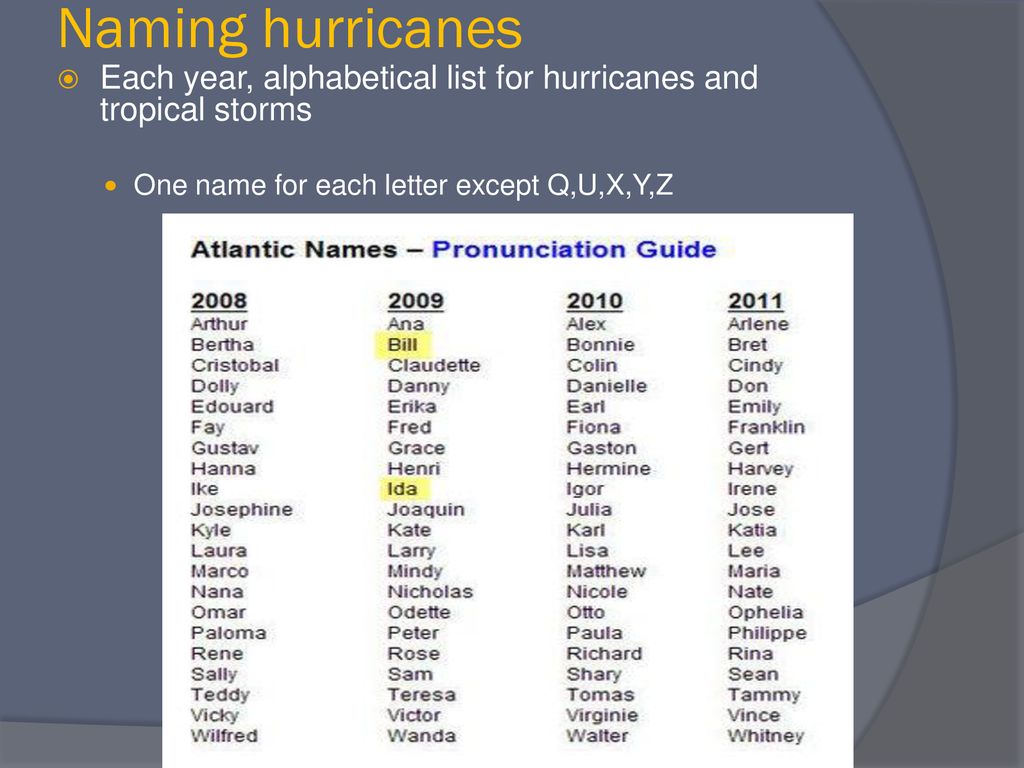
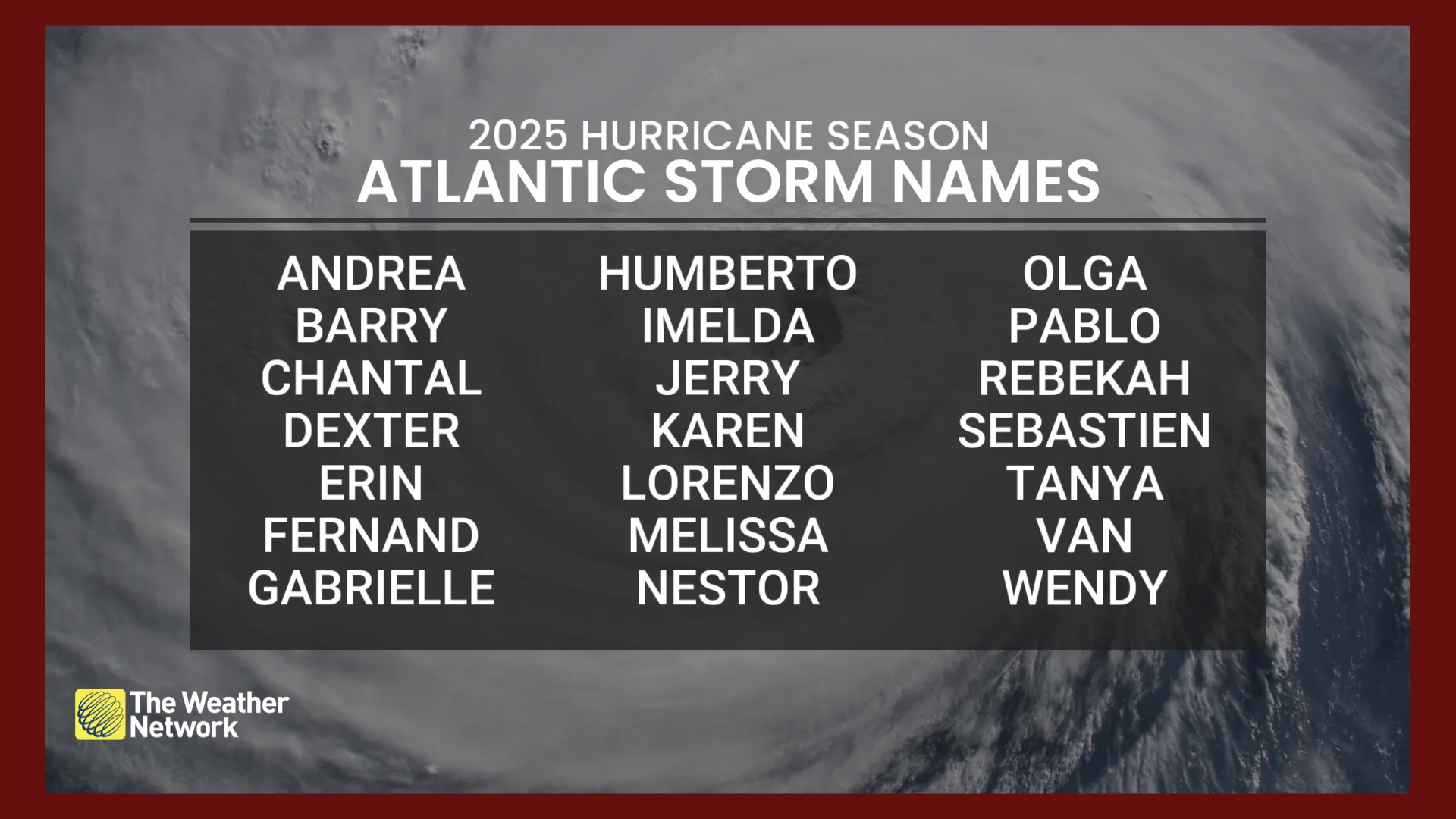
These naming conventions are incredibly systematic. The WMO maintains pre-determined lists of names for each hurricane basin. For the Atlantic, there are six lists, used in an alphabetical sequence and alternating between male and female names. For example, if the first storm of the season is Arthur (male), the second will be Bertha (female), the third Cristobal (male), and so on. These six lists are then used in a six-year rotating cycle. This means the list of names used in 2024 will be used again in 2030, unless a name is deemed so impactful or devastating that it is "retired."
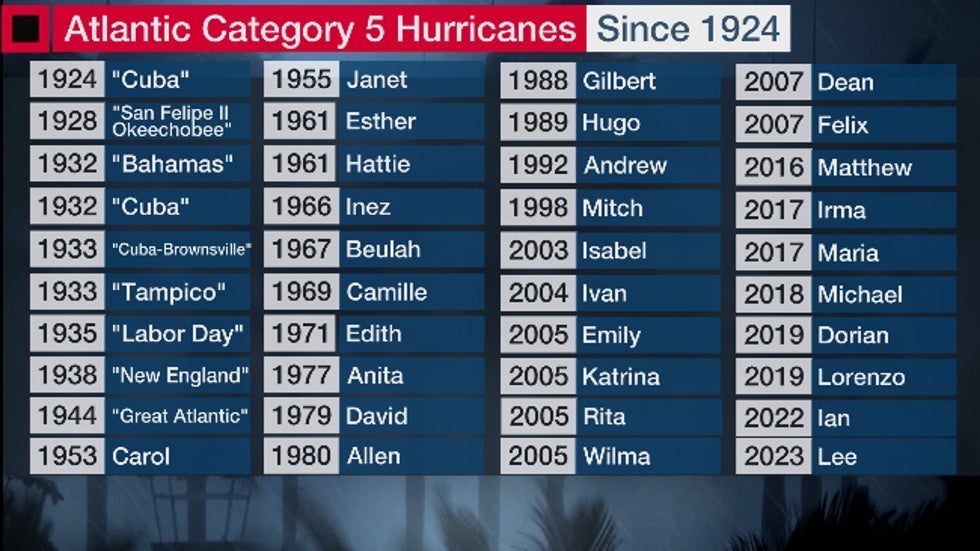
Ah yes, retired names – that's another interesting twist! If a hurricane causes immense loss of life or property, its name is retired from the list out of sensitivity and to prevent future confusion. Names like Katrina, Sandy, and Andrew are prime examples. Once a name is retired, the WMO committee meets to decide on a replacement name for that slot on the list. So, while you might hear an Arthur again in six years, you'll never hear of another Hurricane Katrina. This thoughtful system ensures clarity, respects those affected by past storms, and helps everyone stay safe and informed during hurricane season. It's a truly global effort to manage and communicate about some of nature's most powerful phenomena!