Have you ever heard of microplastics? They’re like tiny, invisible guests that have somehow found their way into almost every corner of our planet. We’re talking about bits of plastic smaller than a sesame seed, sometimes even too small to see with the naked eye. But where do all these minuscule specks of plastic come from? It's a bit like a mystery, but one we can definitely solve together!
Think of it this way: microplastics aren't usually made tiny on purpose. Most of them start out as something much bigger. Imagine a plastic bottle, a forgotten toy, or even that sparkly glitter you used for a craft project. Over time, these larger items break down into smaller and smaller pieces. It's a fascinating, if a little worrying, journey.
The Big Break-Down: Secondary Microplastics
This is probably the biggest source of microplastics. It all starts with the bigger plastic items we use every day. Picture a plastic water bottle dropped on the sidewalk. The sun beats down on it, making the plastic brittle. The wind rolls it around. Rain washes it into a gutter. Eventually, that bottle starts to crack and crumble. Each tiny fragment that breaks off is a microplastic.
"It's like nature's own relentless shredder, turning big problems into even tinier ones."
This happens everywhere. A plastic bag snagged on a tree branch gets battered by storms. A fishing net lost at sea gets tossed by waves and baked by the sun. Even the plastic packaging around your groceries, if it ends up in nature, will eventually break down. This process of larger plastics becoming smaller bits is called fragmentation. It’s a slow, persistent process, happening all the time, all around us.
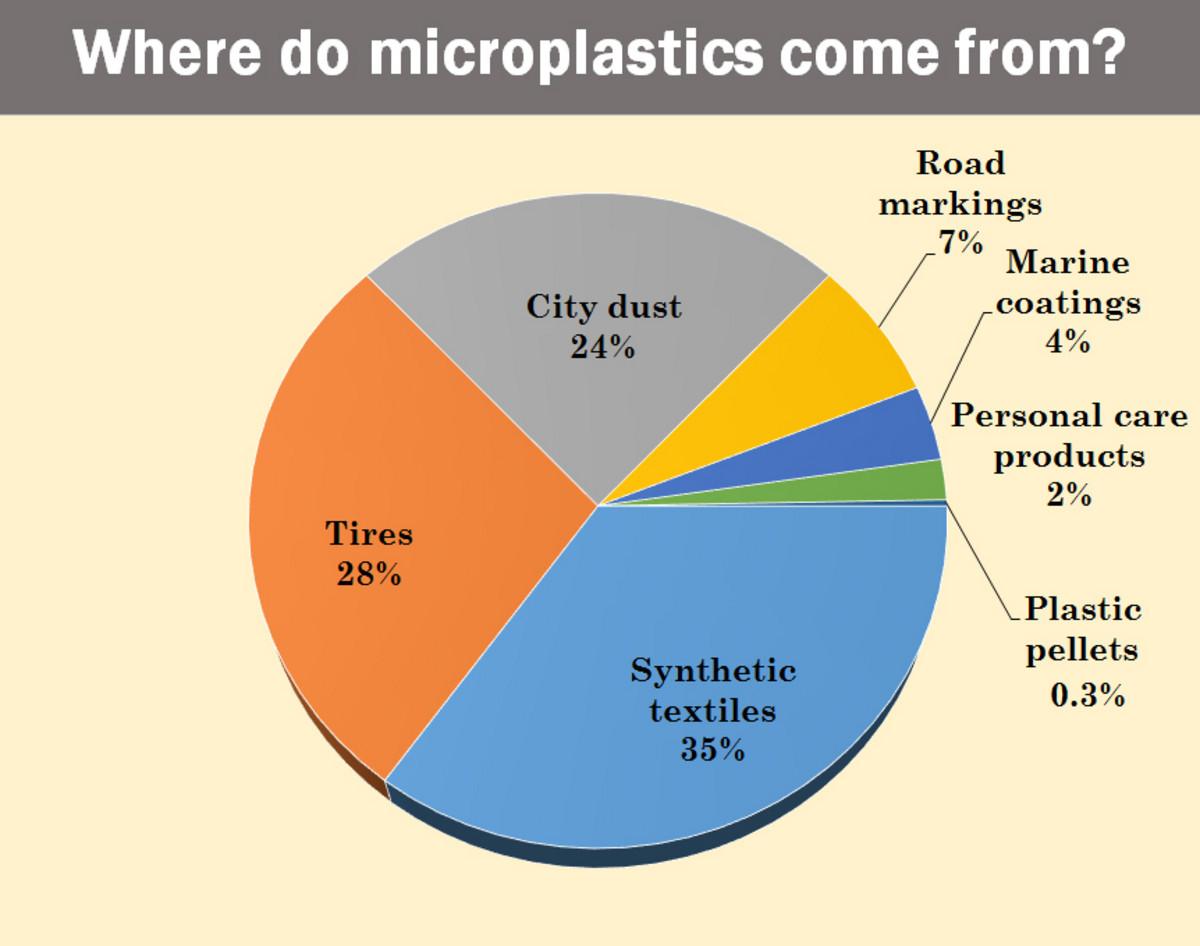
Think about clothes, too! Many of our favorite outfits are made from synthetic fibers like polyester, nylon, and acrylic. Every time you wash these clothes, tiny plastic fibers shed off. These microscopic threads, known as microfibers, then go down the drain with the wash water. Many of them escape water treatment plants and end up in rivers, lakes, and oceans. It’s a tiny fashion show happening in our waterways!

And what about your car? Believe it or not, your tires are also a source. As you drive, your car tires rub against the road. This friction wears them down, releasing tiny bits of rubber – which often contain plastics – into the environment. So, every road trip leaves a little trail of microplastics behind.
Even the paint on buildings and road markings can break down over time. These small flecks flake off and contribute to the microplastic mix. Dust from cities also often carries these tiny plastic particles, making them airborne travelers.
The "Born Small" Crew: Primary Microplastics
While most microplastics come from bigger items, some are actually made tiny from the get-go. These are called primary microplastics.

Remember those little exfoliating beads in some face washes or toothpastes? For a while, these tiny plastic spheres, called microbeads, were very popular. Luckily, many countries have now banned them, but the ones already released into the environment are still out there. They were designed to go down the drain, and they did, straight into our water systems.
Another major source of primary microplastics comes from the manufacturing world. Factories that make plastic products often use tiny plastic pellets, called nurdles. These look like small lentil beans. Nurdles are melted down and molded into all sorts of plastic items. But sometimes, during transport or handling, these nurdles spill. They wash into storm drains and rivers, eventually making their way to the ocean, where they look very tempting to hungry marine life.

Even things like industrial abrasives, used for cleaning or polishing, can contain microplastics. Glitter is another fun example – those shiny little bits are usually tiny pieces of plastic. While we love the sparkle, each fleck is a microplastic that can easily spread everywhere.
The Journey: How They Get Around
Once these microplastics are created, they don't just stay put. They are incredible travelers! Wind can carry them far and wide. Rain washes them into sewers and rivers. Animals can accidentally eat them, and then move them around. They end up in the soil, in the air we breathe, in our food, and in the deepest parts of the ocean. They are truly everywhere, from the tops of mountains to the bottoms of the seas.
It’s a bit mind-boggling, isn't it? These tiny plastic pieces come from such a wide variety of sources, both big and small, intended and unintended. Understanding where they come from is the first step in figuring out how we can all work together to reduce their presence in our world. It's a big challenge, but knowing the source makes it a little less mysterious. Maybe next time you see a piece of plastic, you'll think about its potential journey and how it might break down into these sneaky little travelers!
