
Okay, so picture this: You’re trying to organize a casual BBQ with a few friends. You’ve got the grill, the burgers, the sunshine (hopefully!). But then someone wants vegan patties, another insists on gluten-free buns, and your one friend is convinced that medium-rare for chicken is totally a thing. (It’s not, please don’t.) Getting everyone to agree on one simple menu item feels like you need a degree in international diplomacy, right?
Now, take that feeling, multiply it by about 190 countries, add in a dash of incredibly complex science, a sprinkle of economic interests, and the small, teensy-weensy problem of the entire planet’s future. Welcome, my friend, to the world of global climate negotiations. And at the heart of one of the biggest, most ambitious attempts to get everyone on the same page sits something called the Paris Climate Accord.
Ever heard of it? You probably have, even if it was just a fleeting mention on the news. It sounds super official, maybe even a little dry. But let's peel back the layers and see what this big deal was all about, shall we?
So, What Is This Thing, Anyway?
The Paris Climate Accord, officially known as the Paris Agreement, is basically a landmark international treaty on climate change. It was adopted by 196 Parties (countries, plus the European Union) at the UN Climate Change Conference (COP21) in Paris, France, on December 12, 2015. Pretty recent, in the grand scheme of things!
Think of it as a global handshake, a collective agreement by nearly every nation on Earth to tackle climate change. And that, dear reader, is a pretty monumental feat when you remember our BBQ analogy from earlier. Getting 190+ countries to agree on anything is an achievement, let alone something so critical.
Its core goal? To substantially reduce global greenhouse gas emissions and to limit the global temperature increase in this century to well below 2 degrees Celsius above pre-industrial levels, while pursuing efforts to limit the increase to an even more ambitious 1.5 degrees Celsius. Why 1.5? Because scientists are pretty clear that going beyond that could lead to some seriously unpleasant, irreversible changes for our planet. Yikes.

How Does It Actually Work? (Spoiler: It's Complicated-ish)
This isn't your grandma's strict, punitive treaty. The Paris Agreement is built on a very clever, bottom-up approach. Instead of a single, top-down mandate, each country submits its own plan, known as a Nationally Determined Contribution (NDC). It’s like everyone bringing their own unique dish to the climate potluck, tailored to their own capabilities and circumstances.
NDCs: These are commitments by each country outlining what actions they will take to reduce emissions and adapt to climate change. They set their own targets, which is both a strength (more buy-in) and a weakness (are they ambitious enough?).
Transparency: Countries are required to regularly report on their emissions and their progress towards their NDCs. Because you can't improve what you don't measure, right?

A Comprehensive Analysis of the Paris Climate Accord The "Ratchet Mechanism": This is super cool. Every five years, countries are supposed to come back to the table with new, more ambitious NDCs. The idea is to continuously increase effort over time – no going backward, only forward! Smart, right?
Financial Support: Developed countries are meant to help developing countries both cut emissions and adapt to the impacts of climate change. Because let's be real, poorer nations often bear the brunt of climate change, despite contributing the least to it.
Why Was This Such A Big Deal?
Beyond the simple fact of getting so many nations to sign on, the Paris Agreement was a massive shift. For years, climate talks were often bogged down in the "blame game," with developed nations being told off for historical emissions and developing nations insisting they needed to grow first. Paris flipped that script to "we're all in this together."

It also sent a huge, undeniable signal to the world: governments are serious about climate action. This has had a ripple effect, encouraging businesses, investors, and innovators to pour resources into green technologies and sustainable practices. It basically said, "Hey world, the future is green, so get on board!"
The Bumps In The Road (Because Nothing's Perfect)
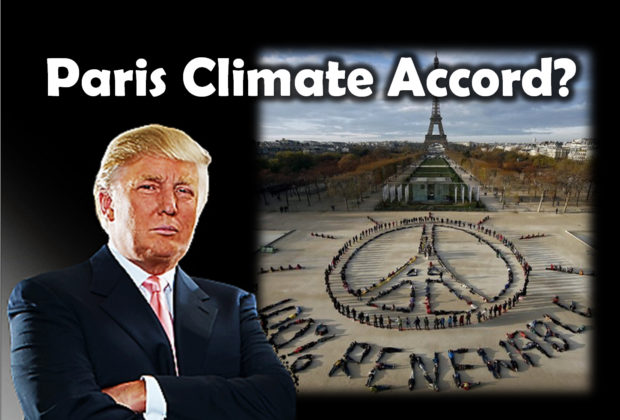
Of course, it hasn't all been smooth sailing. Remember how the U.S. famously pulled out under the Trump administration, only to rejoin under Biden? That was a bit of a nail-biter for a while there. It highlights the voluntary nature of the accord – there aren't really "climate police" to enforce things.
Another sticking point? Whether the current NDCs are actually ambitious enough to meet that 1.5°C target. Spoiler: most analyses suggest they're not, yet. We still have a long way to go, and the pressure is on countries to step up their game with each five-year review.
And then there's the money. The commitment from developed nations to help developing ones reach climate goals is crucial, but often falls short of what's truly needed. It's a constant negotiation, really.
So, What Now?
The Paris Agreement isn't a silver bullet. It's more like a really important roadmap and a collective promise. It created a framework for global cooperation that simply didn't exist before, and for that, it's pretty revolutionary. It's a living, breathing document that needs constant attention, political will, and ambitious action from every single one of us, and especially from our leaders.
It’s the world’s best, most comprehensive attempt to deal with a problem that literally affects everyone. And while it might not be perfect, it's a huge step forward from trying to coordinate a simple BBQ. Wouldn't you agree?