Alright, settle in, grab a coffee, maybe a croissant, because we're about to dive into the fiery, sparking, and surprisingly artistic world of welders! Now, when most people think of a welder, they picture some grizzled dude in a giant helmet, surrounded by sparks, looking like a superhero who decided to trade capes for arc guns. And while that's not entirely wrong, it’s like saying all chefs just "cook food." Oh honey, there's a whole buffet of welders out there!
Think of welding like a very specific kind of superpower. Each welder has their own unique ability, their own special gadget, and their own kryptonite (usually just a really bad cup of coffee or a misaligned joint). So, let's meet the squad, shall we?
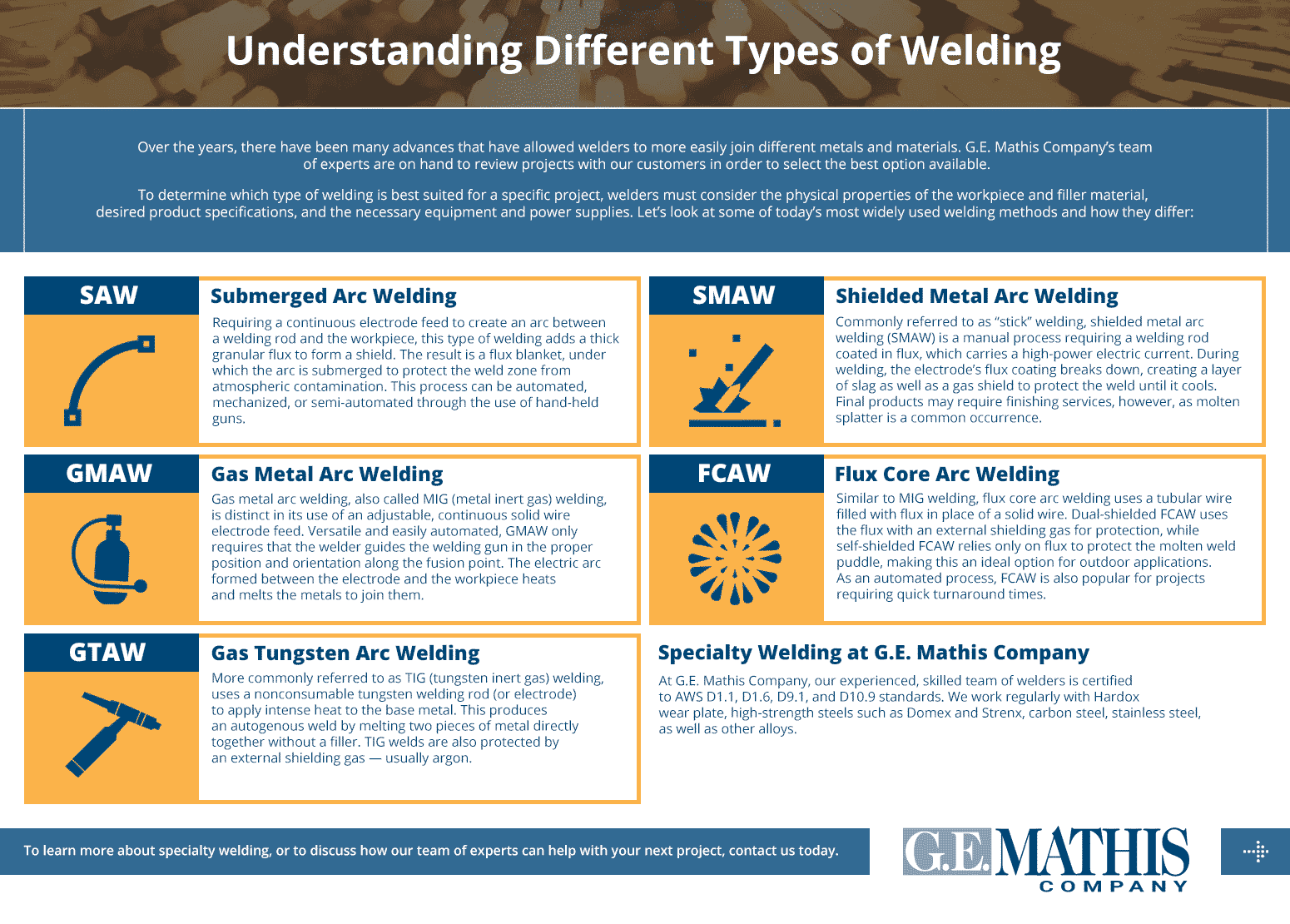
The OG: Stick Welding (SMAW)
First up, we have the Stick Welder, or as the cool kids call it, SMAW (Shielded Metal Arc Welding). This is your grandpappy's welding, the original gangster. Imagine a caveman discovering fire, then realizing he could use a stick to fuse two pieces of metal together. Okay, maybe not that primitive, but it’s close!
Stick welders are the MacGyvers of the welding world. They can weld almost anything, anywhere. Rusty metal? No problem! Windy outdoor conditions? Bring it on! In a ditch, upside down, with only a prayer and a half-eaten sandwich? The stick welder shrugs, lights up an arc, and makes it happen. Their secret weapon is a flux-coated electrode that creates its own shielding gas, meaning they don't need a fancy external gas tank. It’s messy, it splatters, and it takes a bit of skill, but the welds are strong enough to hold your questionable life choices together. These folks are the tough guys, the problem solvers. They don't need pretty, they need functional.
The Speed Demon: MIG Welding (GMAW)
Next, we meet the MIG Welder (Gas Metal Arc Welding). If stick welding is a vintage muscle car, MIG is a sleek, modern sports car. It's fast, it's efficient, and it's surprisingly easy to learn. MIG welders feed a continuous wire through their gun, creating a beautiful, consistent bead. It's often called the "hot glue gun" of welding, and honestly, that's not far off! (Don't tell a MIG welder I said that, though).

These welders are the kings and queens of production. Think car manufacturing plants, custom fabrication shops, or your buddy's garage project. MIG is all about speed and getting the job done quickly and cleanly. The catch? It needs a shielding gas (usually Argon/CO2 blend) to protect the weld pool from contaminants. So, no welding in a hurricane, folks. They value efficiency and a smooth, clean finish. They're the ones who make things look easy, often because they secretly are!
The Zen Master: TIG Welding (GTAW)
Now, prepare to be amazed, because we're entering the realm of the TIG Welder (Gas Tungsten Arc Welding). This, my friends, is the Picasso of welding. TIG welding is slow, meticulous, and incredibly precise. It requires two hands – one to hold the torch, and one to feed a filler rod, all while dancing on a foot pedal to control the amperage. It’s like patting your head, rubbing your stomach, and solving a Rubik's Cube simultaneously.
TIG welders create welds that are so beautiful, you could frame them and hang them in an art gallery. Seriously, sometimes the only way you know two pieces of metal have been joined is by a barely visible, perfectly stacked coin-like bead. They work with thin materials, exotic metals (like titanium or aluminum), and in industries where perfection isn't just a goal, it's a requirement – think aerospace, medical devices, or fancy custom bikes. These welders have the patience of a saint and the steady hands of a surgeon. They are the true artists, creating welds so clean, you could eat off them (but probably shouldn't).
The Tougher Cousin: Flux-Cored Arc Welding (FCAW)
Before we wrap up, let's give a shout-out to Flux-Cored Arc Welding (FCAW). Think of FCAW as MIG welding's brawnier, slightly less refined cousin. Instead of a solid wire, it uses a tubular wire filled with flux, much like a stick electrode. This means it creates its own shielding gas, making it superb for outdoor work or on dirty materials where MIG might struggle.
![12 Types of Welding Processes & Their Uses [Full Guide] PDF](https://www.theengineerspost.com/wp-content/uploads/2022/06/Types-of-Welding-Machines.jpg)
FCAW is often found in heavy fabrication, structural steel work, and places where you need deep penetration and high deposition rates. It's not as pretty as TIG, and often generates more smoke and splatter than MIG, but it's incredibly strong and efficient for thick materials. It's the kind of welder that gets the heavy lifting done, without needing to look pretty for the cameras.
The Specialists: Beyond the Basics
And then, there are the specialists! The Pipe Welders, who make sure your water flows and your gas doesn’t explode. The Underwater Welders, who are basically real-life Aquamans with a torch, fixing oil rigs in the dark depths of the ocean (talk about a crazy job interview!). And the Robotic Welders, who program machines to do the welding, proving that even robots need a guiding human hand.
So, the next time you see a bridge, a skyscraper, your car, or even that fancy stainless steel coffee machine, remember the diverse world of welders behind it. They're not just sparking metal; they’re building our world, one beautiful (or incredibly strong) weld at a time. Each type brings its own flair, its own challenges, and its own unique charm to the trade. Now, isn't that a story worth a second cup?