
Alright, grab your imaginary latte and settle in, because we're about to dive into one of the greatest mysteries of the aquatic world: what kind of water do fish actually need? You'd think it's simple, right? Just… water. Like, from the tap? Maybe a pond? Perhaps a fancy bottle labeled "H2O Deluxe"?
Oh, honey, if only it were that simple. That's like saying humans just need "food." Sure, technically true, but try feeding a baby broccoli and a bodybuilder a single cheerio and see how that goes. Fish, bless their adorable, gilled little hearts, are far pickier than you might imagine.
It's Not Just Water, Darling!
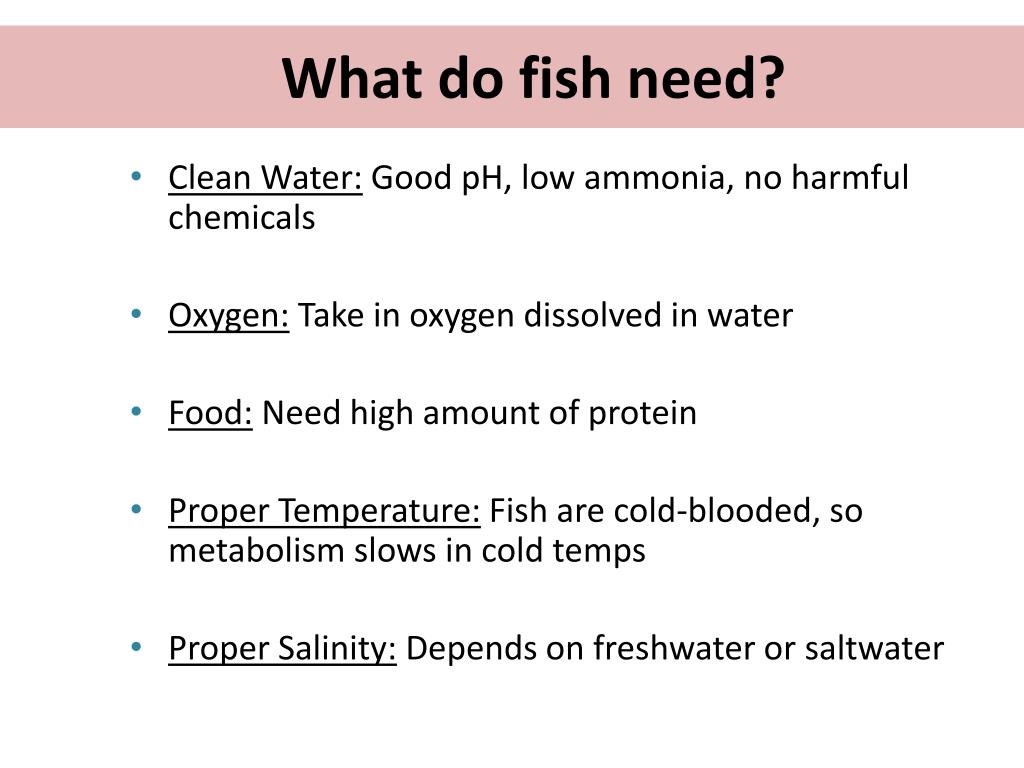
First off, let's get the obvious out of the way. There are two big teams in the fish world: saltwater fish and freshwater fish. And no, you cannot, under any circumstances, swap them. It’s like putting a polar bear in the Sahara or a camel in Antarctica. It just doesn't work. A clownfish, no matter how much it wishes to find Nemo in your backyard pond, will not survive. And a goldfish trying to make friends with a coral reef? That’s a recipe for aquatic disaster, and probably a very confused goldfish.
So, we've got our basic division. Now, let's talk about the stuff in the water, because that's where things get deliciously complicated and often, quite surprising.
The Tap Water Tango (and Why it's a No-Go)
You’d think good old tap water would be fine, right? It’s clean enough for us to drink! Well, for fish, it's often a chemical cocktail of doom. Your municipal water treatment plant, in its valiant effort to keep us safe from waterborne nasties, adds things like chlorine and chloramines. For fish, these are about as pleasant as a really aggressive mouthwash gargle that lasts for hours, possibly days, and slowly fries their gills.
The solution? A simple, magical liquid called a water conditioner or dechlorinator. Just a few drops, and poof! The bad stuff is neutralized. It's like giving your tap water a spa treatment before inviting the fish in.
Temperature: Not Too Hot, Not Too Cold (The Goldilocks Principle)
Fish don’t have tiny thermometers or little fishy sweaters. They rely entirely on the water around them to regulate their body temperature. Different fish have different preferences. A tropical Betta will be miserable (and probably sluggish) in cold water, while a fancy goldfish will start doing a frantic jig if the water gets too warm.
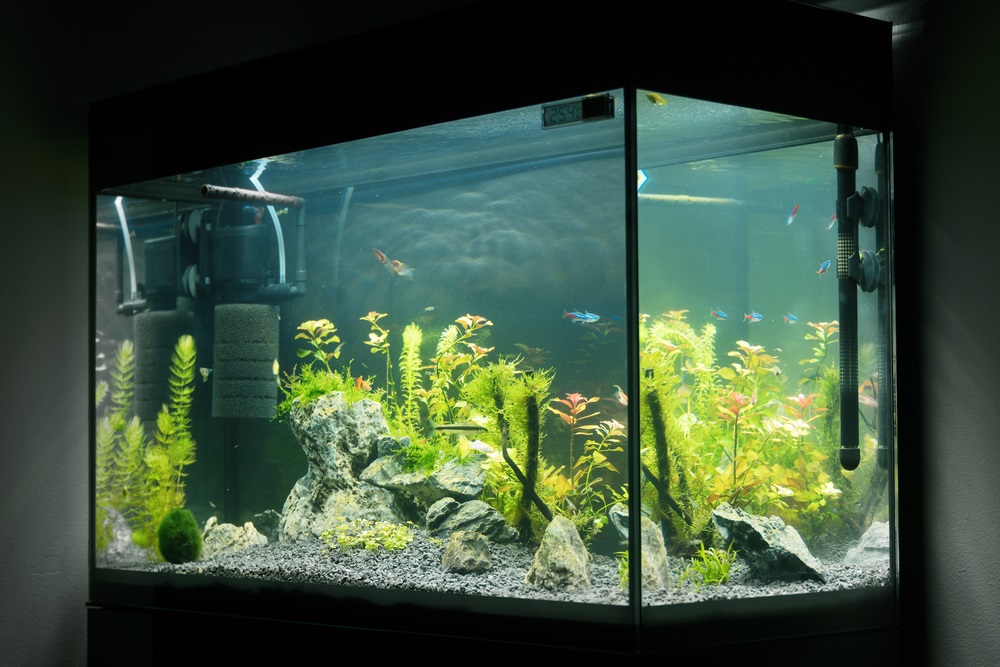
You need to know your fish’s preferred temperature range and, for tropical species, invest in a reliable heater. Think of it as setting the thermostat for your aquatic pals. Nobody likes being chilly, and nobody likes being poached!
The pH Balancing Act: Acid or Alkaline?
This is where it gets a bit like a chemistry class, but don't worry, it's the fun kind! pH measures how acidic or alkaline (basic) water is. The scale goes from 0 to 14, with 7 being neutral. Most freshwater fish prefer slightly acidic to neutral (6.0-7.5 pH), but some, like African Cichlids, are total fans of alkaline water (8.0+ pH). Others, like Bettas, love a slightly more acidic vibe.
Imagine us preferring different types of coffee – some like it strong and black (acidic), others prefer it milky and sweet (more alkaline). It’s the same for fish! A sudden change in pH can be like slamming them into a completely different environment, causing stress and potentially making them very sick.

Hardness: It's Not About How Tough the Water Feels!
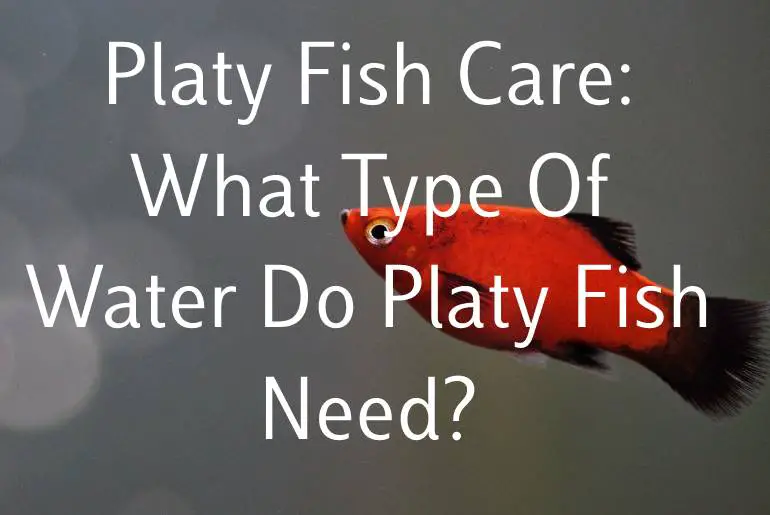
When we talk about water hardness, we're actually talking about the amount of dissolved minerals (like calcium and magnesium) in the water. This is measured in two ways: GH (General Hardness) and KH (Carbonate Hardness). Some fish, like Discus, prefer very soft water, almost like distilled. Others, particularly many livebearers, absolutely thrive in hard water.
It’s crucial because these minerals can affect everything from a fish’s osmotic regulation (how they balance fluids in their body) to egg development. Plus, KH plays a vital role in buffering pH, preventing wild swings. So, yes, the invisible minerals are a big deal!
The Invisible Nasties: Ammonia, Nitrite, Nitrate
Okay, this is probably the most critical part for any fish keeper. Fish eat, they poop, they breathe. All these biological processes produce waste products. The big three you need to worry about are ammonia, nitrite, and nitrate. Ammonia and nitrite are highly toxic, even in tiny amounts. They’re like poison gas for your fish, burning their gills and making them literally unable to breathe.
A healthy aquarium establishes what's called the nitrogen cycle, where beneficial bacteria convert ammonia to nitrite, and then nitrite to the much less harmful nitrate. This process needs to be established before you add fish! Think of it as building a proper waste disposal system for your fishy friends.
The Ultimate Secret: Water Changes!
Even with a perfectly cycled tank, nitrates will build up over time. This is where regular water changes come in. It's not just about making the tank look pretty; it's about removing accumulated nitrates and replenishing essential minerals. Think of it as flushing the toilet for your fish – absolutely essential for their long-term health and happiness!
So, the next time you look at a fish, remember it’s not just chilling in "water." It's navigating a complex liquid world of temperatures, pH levels, minerals, and invisible toxins. Keeping fish happy and healthy means understanding these subtle, yet incredibly vital, aquatic nuances. It’s a bit of science, a bit of art, and a whole lot of love!