Hey there, language explorers! Ever stopped to think about the humble letter C? It seems innocent enough, sitting there between B and D in the alphabet. But let me tell you, C is a bit of a linguistic chameleon. It’s not content to make just one sound; oh no, this letter has a whole repertoire!
Isn't that just fascinating? While most letters pick a sound and stick to it (mostly!), C likes to keep us on our toes. It's like a secret agent with multiple identities, or maybe a DJ with different tracks ready to drop. So, what sounds does the letter C actually make?
The Classic, "Hard C" Sound (Like K)
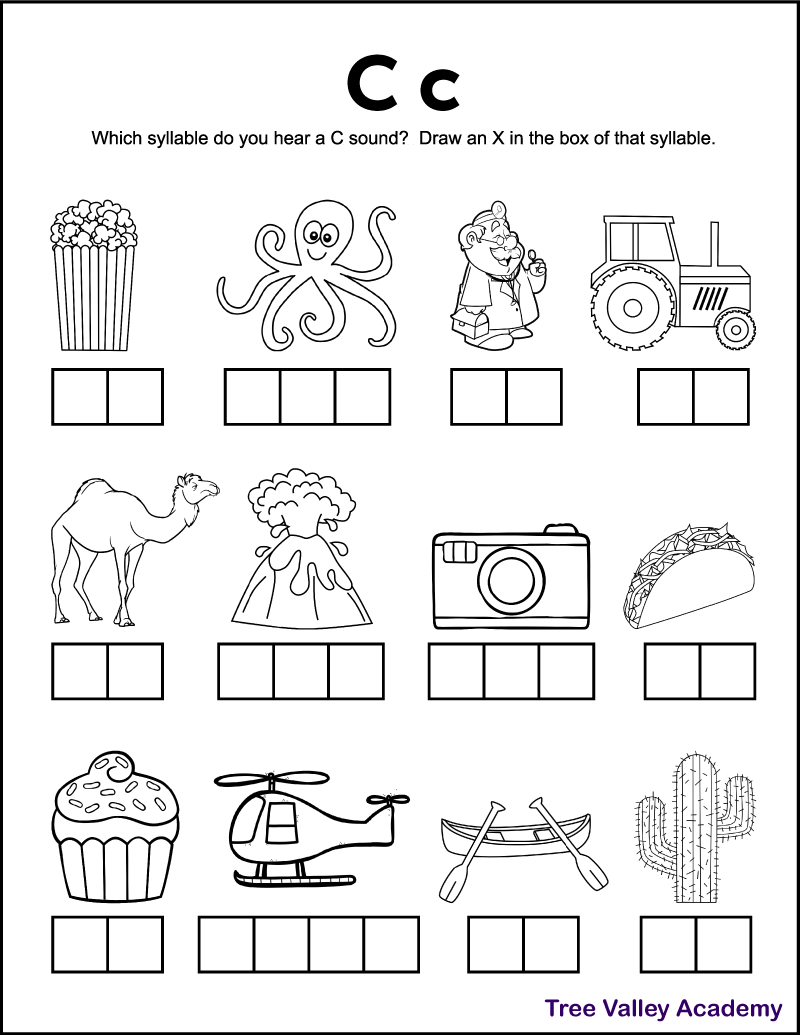
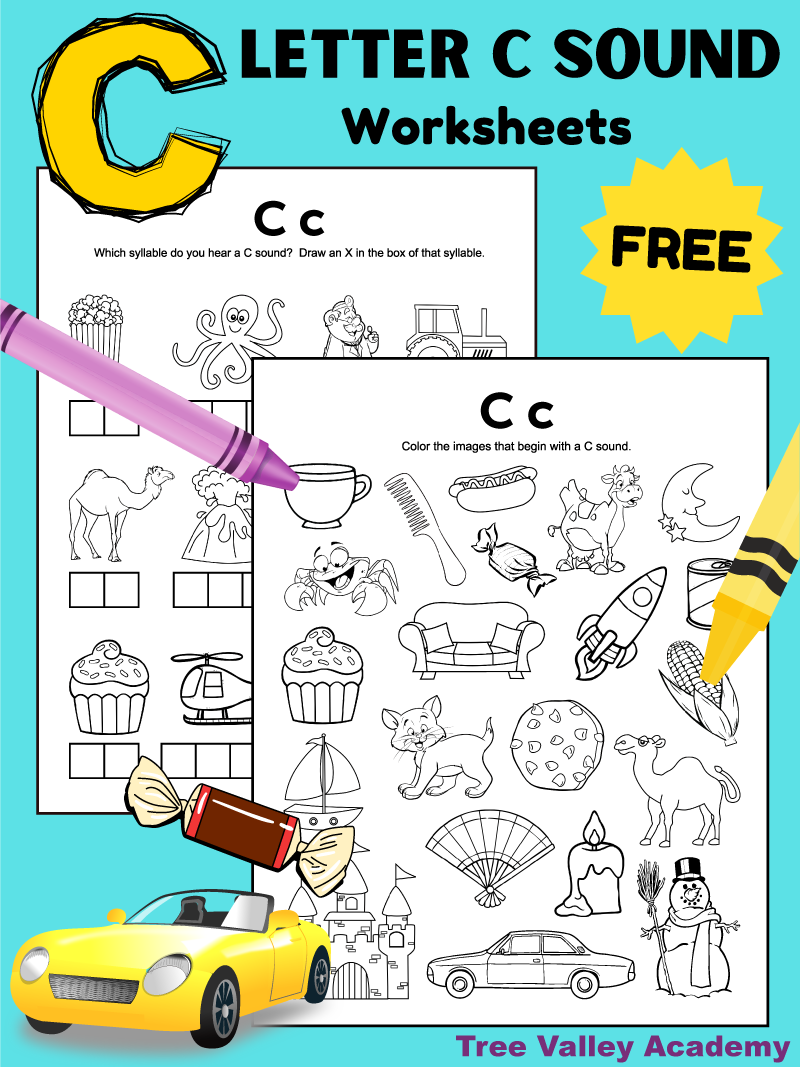
This is probably the sound you think of first. It’s the strong, definitive sound, almost identical to the letter K. Think about it: when you say cat, car, or cup, that initial sound is a crisp, clear 'kuh'. Go ahead, say them out loud! Feel that little puff of air? That’s our hard C at work.
This is C’s default setting, its sturdy, reliable self. It’s the sound of commitment, of things being solid and unchanging. Like a sturdy chair or a concrete path, it’s dependable. When C is followed by the vowels A, O, U, or by another consonant (like in clown or crab), it almost always brings out this hard 'kuh' sound. Easy peasy, right?
Then There's the Smooth, "Soft C" Sound (Like S)
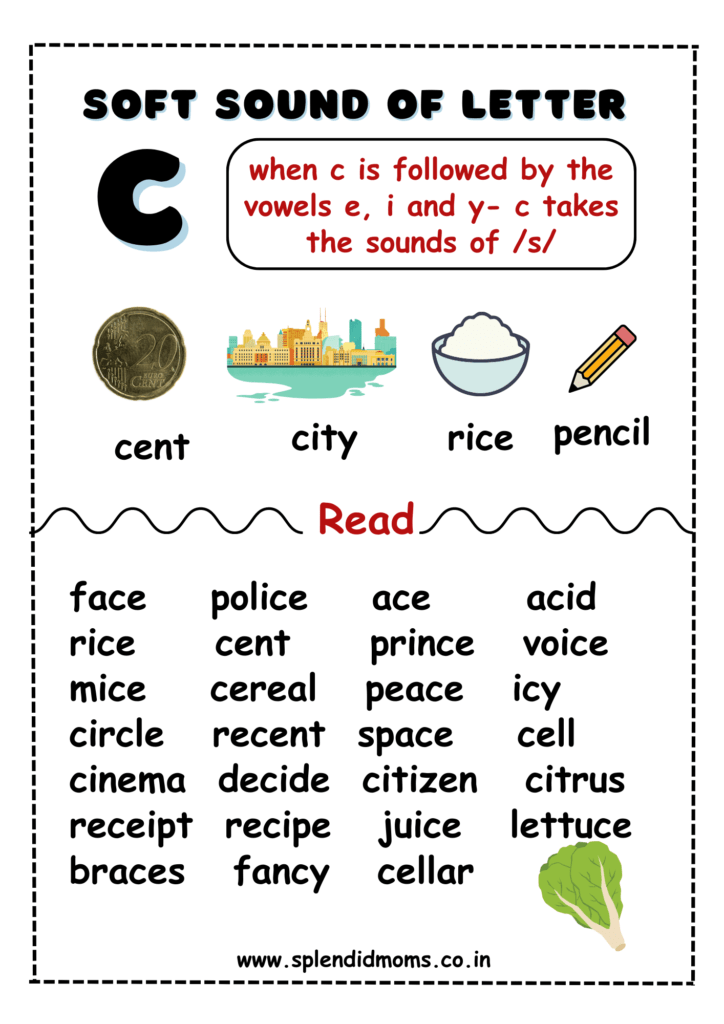
Now, here's where C gets a little bit fancy. Sometimes, it decides to adopt the sound of the letter S. It becomes a gentle, hissing 'sss' sound. Think of words like city, certain, or nice. Hear that difference? It’s not 'kity' or 'kertin,' is it?

This soft C is like the polite whisper of the letter, a quieter, more delicate version of itself. It's almost like it's trying to blend in! So, what makes C suddenly decide to go soft? Well, C has a few special friends: the vowels E, I, and Y. When C is followed by any of these three, it usually (but not always, because English loves to be quirky!) switches to its 'sss' sound.
It’s like a secret code: C + E, I, or Y = soft sound. Isn't that neat? It gives C a whole different vibe, doesn't it? From the robust 'kuh' to the subtle 'sss' – talk about range!
But Wait, There's More! The "CH" Combo
Just when you thought you had C figured out, it teams up with H and creates a brand new sound! The 'ch' sound is completely distinct, a bit like a sneeze and a whistle combined. Think of church, cheese, or chat. This isn't 'k' or 's' at all!
The 'ch' sound is like C saying, "I can be even more surprising!" It's a testament to how letters in English can combine to form entirely new phonetic identities. It’s a bit of a curveball, but it adds another layer of coolness to our chameleon C, wouldn’t you agree?
And Let's Not Forget "CK"
Sometimes, C needs a little reinforcement for its hard sound. That’s where K comes in. When you see 'ck' together, as in duck, kick, or rock, it's almost always making that strong, hard 'kuh' sound. It’s like C and K are giving each other a high-five, ensuring that particular sound is heard loud and clear.
It’s an interesting collaboration, isn’t it? C saying, "Hey K, lend me a hand to make sure everyone hears my hard sound!" It just goes to show how letters cooperate (or sometimes playfully confuse us!) in the English language.
Why is This So Cool and Interesting?
You might be thinking, "Why bother with all this letter C drama?" Well, because it highlights something truly remarkable about English: it's a living, breathing language full of history and quirks. The letter C's dual (or even triple!) nature isn't just random; it's often a relic of how words entered English from other languages like Latin and French over centuries.

It teaches us that letters aren't always simple, one-to-one sound makers. They're more like actors who can play different roles depending on the script (or the surrounding letters!). This makes reading and spelling a wonderfully complex puzzle, a bit like solving a riddle every time you encounter a new word.
For kids learning to read, understanding C's split personality is a huge step! For adults, it's a fun reminder of the layers of fascinating detail hidden in the words we use every single day. It encourages us to be more observant, more curious about the very building blocks of our communication.
So, the next time you see the letter C, give it a moment of appreciation. Is it being its hard, dependable self? Or is it feeling a little soft and breezy? Maybe it's even teamed up for a whole new sound! The letter C truly is one of the alphabet's most versatile and intriguing characters. Pretty cool, huh?