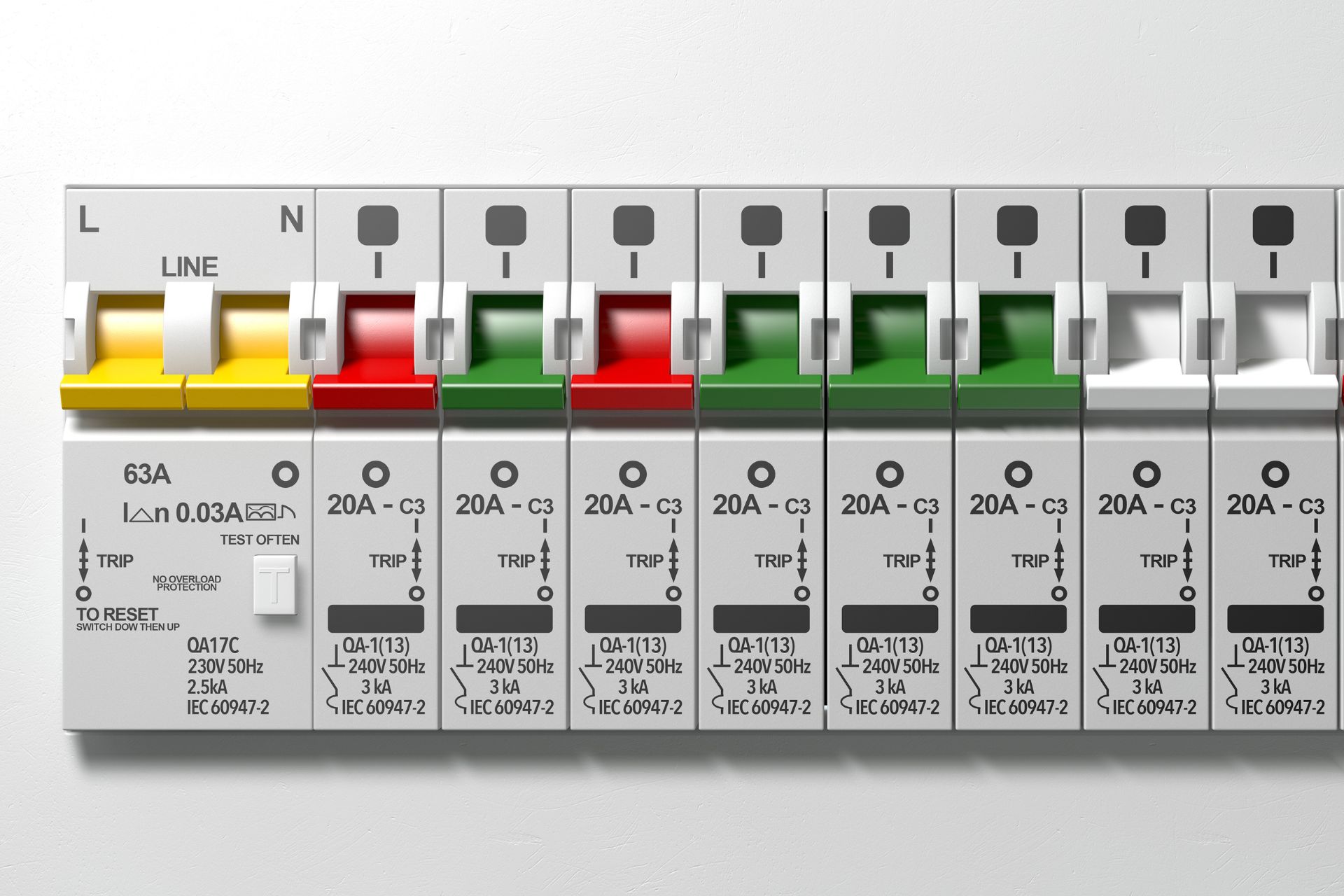
Ever had that moment where you're just living your best life, maybe making toast, boiling water, and simultaneously running a vacuum cleaner, and then… poof? Or more likely, a soft but firm click from your breaker panel. Yeah, we’ve all been there, standing in momentary darkness, wondering if the universe is subtly hinting you need fewer gadgets. That little silent guardian, the circuit breaker, isn't just there to mess with your morning routine; it's protecting your home from, well, itself.
Those brave little boxes are literally the front-line defense against electrical fires. And they do their job by tripping when too much current tries to flow through a circuit. But here’s the kicker: they’re not just protecting your fancy new toaster oven. More importantly, they're protecting the wires behind your walls. And that, my curious friend, brings us to the absolutely vital question: What size wire for a 20-amp breaker?
The Straight Answer: #12 AWG Copper Wire
Okay, let's cut straight to the chase because nobody wants to play guessing games with electricity. For almost all standard residential applications, if you're installing a circuit with a 20-amp breaker, you need to be running #12 AWG copper wire. Period. Full stop. End of discussion… mostly.
Now, what's with the "AWG" and the number? AWG stands for American Wire Gauge, and here's the slightly counter-intuitive part: the smaller the number, the thicker the wire. So, #12 wire is thicker than #14 wire, and #10 is thicker than #12. Thicker wire means it can safely carry more electrical current without overheating. Think of it like a hose: a wider hose can carry more water without bursting.
Why #12 and Not #14 (Please, Oh Please, Not #14!)
This is where safety really comes into play. You might be tempted to use #14 AWG wire because, let's be honest, it's a bit cheaper and easier to work with. But please, resist that urge with every fiber of your being! #14 AWG wire is typically rated for 15-amp circuits. If you connect #14 wire to a 20-amp breaker, here’s what happens:

- You draw more than 15 amps but less than 20 amps.
- The #14 wire starts to heat up because it's carrying more current than it's safely designed for.
- The 20-amp breaker, bless its heart, won't trip because it's still below its 20-amp threshold.
- The wire continues to get hotter and hotter, potentially melting its insulation, damaging outlets, and eventually… you guessed it, starting a fire.
See what I mean? That 20-amp breaker is designed to protect a wire that can handle 20 amps. If you give it a weaker wire, the wire becomes the weak link, and that's a risk you absolutely, positively do not want to take. So, remember: 20-amp breaker = #12 AWG copper wire. Always.
What About Aluminum?
You might hear whispers of aluminum wiring. In short, for most new residential branch circuits (your everyday outlets and lights), stick with copper. Aluminum wire requires different sizing (it needs to be larger than copper for the same amperage) and special connectors because it behaves differently. It's often reserved for larger service feeders or specific applications. Keep it simple, keep it copper for your 20-amp runs.
Long Runs and Voltage Drop (A Little Extra Credit)
Alright, you've got the basics down. But what if you're running a circuit to, say, a detached garage or a workshop that's a good distance from your main panel? For very long runs (we're talking significant distances, usually over 50-75 feet depending on the load), you might encounter something called voltage drop. This is where the electricity loses a bit of its "oomph" over the length of the wire, leading to less efficient operation of your devices and potential overheating of the wire itself.

In these cases, even for a 20-amp circuit, an electrician might recommend going up a wire size to #10 AWG copper wire. This thicker wire helps minimize voltage drop over distance. But honestly, for your standard room outlets, kitchen appliances (unless it's a dedicated appliance circuit with specific requirements), or bathroom circuits, #12 AWG is generally perfectly fine.
The Golden Rule: Check Your Local Codes & When in Doubt...
While the National Electrical Code (NEC) provides the backbone for these guidelines, local codes can and do vary. Always, always, always check with your local authority having jurisdiction (AHJ) or a qualified electrician about specific requirements in your area. This isn't just bureaucracy; it's about ensuring your home meets safety standards that might have unique local considerations.

And here’s the biggest piece of advice I can give you: while it's fantastic to be curious and learn about your home's electrical system, if you're ever in doubt, or if the project feels bigger than your comfort level, call a licensed electrician. Seriously. Electrical work isn't just about getting lights to turn on; it's about preventing shock, injury, and fire. They’ve got the training, the tools, and the experience to do it safely and correctly.
So, there you have it. For your 20-amp breaker, the answer is overwhelmingly #12 AWG copper wire. Stay safe out there, my fellow home improvement enthusiasts, and remember: an ounce of prevention (and the right wire size) is worth a pound of, well, fire extinguisher foam!
W