Have you ever paused to admire the warm, golden gleam of a trumpet, the intricate details of an antique doorknob, or the sturdy elegance of a plumbing fixture? Chances are, you were looking at brass! This beloved metal alloy is everywhere, from grand orchestras to the smallest home decorations, gracing our lives with its beauty and utility. But what exactly is brass? It’s not a pure metal found in nature like gold or silver; instead, it’s a brilliant example of human ingenuity – a masterful blend of simpler elements that come together to create something truly special. Understanding its composition is like peeking behind the curtain of a magic show, revealing the secret to its versatility and charm.
So, let's pull back that curtain! The primary metals that make up brass are copper and zinc. Think of copper as the lead actor in this metallic play. It’s a reddish-orange metal, highly malleable, and an excellent conductor of heat and electricity. It’s also naturally resistant to corrosion, which is why it’s been used for centuries in everything from wiring to roofing. However, pure copper can be a bit too soft for some applications and doesn’t always have that signature golden luster we associate with brass.
That’s where zinc steps in, playing the perfect supporting role. Zinc is a silvery-white, somewhat brittle metal that might not get as much solo fame as copper, but it’s absolutely essential for brass. When even a small amount of zinc is added to copper, something amazing happens. The color shifts from reddish to that familiar yellow-gold, and the resulting alloy becomes significantly stronger and more workable than pure copper. The exact proportions of copper and zinc can vary widely, creating different types of brass, each with slightly different properties and appearances. For instance, some brasses might have just 5% zinc, while others could have up to 45%, leading to variations in hardness, ductility, and even color intensity.
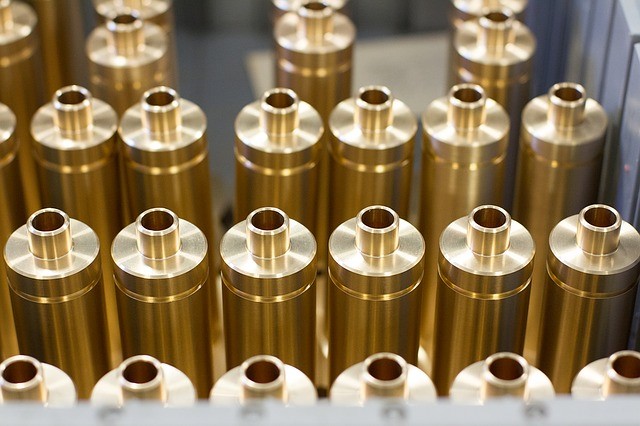
The benefits of this dynamic duo are numerous and explain why brass has remained a popular material for thousands of years. Firstly, its malleability and workability make it a dream for artisans and manufacturers alike. It can be easily cast, machined, hammered, and polished into intricate shapes, making it ideal for everything from delicate musical instrument parts to sturdy plumbing valves. Secondly, brass boasts excellent corrosion resistance, especially against saltwater, making it a favorite for marine applications. Its beautiful golden sheen is also highly sought after for decorative items, architectural details, and jewelry.
Beyond its aesthetic and practical advantages, brass also inherits some of copper's incredible antimicrobial properties. This means that brass surfaces can naturally kill certain bacteria and viruses over time, making it a surprisingly hygienic choice for high-touch surfaces like doorknobs, handrails, and hospital fixtures. So, the next time you see a piece of gleaming brass, remember the humble yet powerful partnership of copper and zinc, working together to create an alloy that is not only beautiful and durable but also surprisingly beneficial to our health!