
Hey there, curious cat! Ever wondered about those super cool laser cutters you see making intricate designs, like magic? It’s not just for sci-fi movies anymore, folks! These machines are like the Swiss Army knives of the crafting world, zapping through materials with incredible precision. But what exactly can they slice and dice? Let’s dive into the fascinating world of laser cutting, complete with a few giggles along the way!
First off, a tiny peek behind the curtain: a laser cutter works by focusing a really powerful beam of light onto a material. This beam gets so hot and so concentrated that it basically vaporizes or melts the material right along its path. Think of it like a tiny, super-focused sunbeam doing superhero work. Pretty neat, right?
The "Oh Yeah, We Can Cut That!" Crew
This is where lasers truly shine, literally! Some materials are just a laser's best friend. Let’s meet them:
Wood: Ah, glorious wood! Lasers absolutely adore cutting and engraving wood. Plywood, MDF, balsa, cherry, birch – you name it. From intricate carvings on a custom sign to delicate jewelry pieces, wood transforms beautifully. It'll even leave a lovely, slightly toasted edge (called kerf) that smells like a campfire. Cozy, right?
Acrylic (Plexiglass): This plastic is another laser superstar. It melts cleanly and creates a smooth, polished edge that looks fantastic. Acrylic comes in a rainbow of colors and thicknesses, perfect for signs, displays, jewelry, or even funky light fixtures. It's like cutting through butter, but shinier!
Paper & Cardboard: Need to cut super intricate patterns without tearing? Lasers are your best bet. Think custom invitations, architectural models, or delicate stencils. The precision is mind-boggling, making your paper crafts look incredibly professional.
Fabrics: From cotton and felt to leather and denim, lasers can zip through textiles with ease. This is a game-changer for fashion designers, quilters, and anyone making custom patches or accessories. The laser also seals the edges of some synthetic fabrics, preventing fraying – how clever is that?
Rubber: Ever seen those custom stamps? Yep, often made with a laser! Rubber cuts cleanly, making it perfect for gaskets, seals, and of course, all your stamping needs. Just imagine creating your own unique stamp – instant personalization!
The "We Can Do It, But Maybe With More Oomph" Gang
Some materials require a bit more specific laser power or technique. We’re talking about things that might not cut all the way through but can be beautifully marked or etched:
Glass & Ceramics: While a typical hobby laser won't cut through a wine glass (please don't try!), it can create stunning engravings. Think frosty patterns on a mirror, etched designs on a mug, or personalized tiles. It’s more like a super-precise sandblaster without the mess.
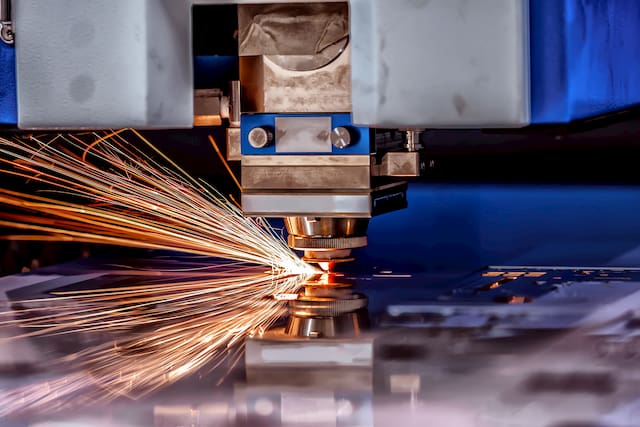
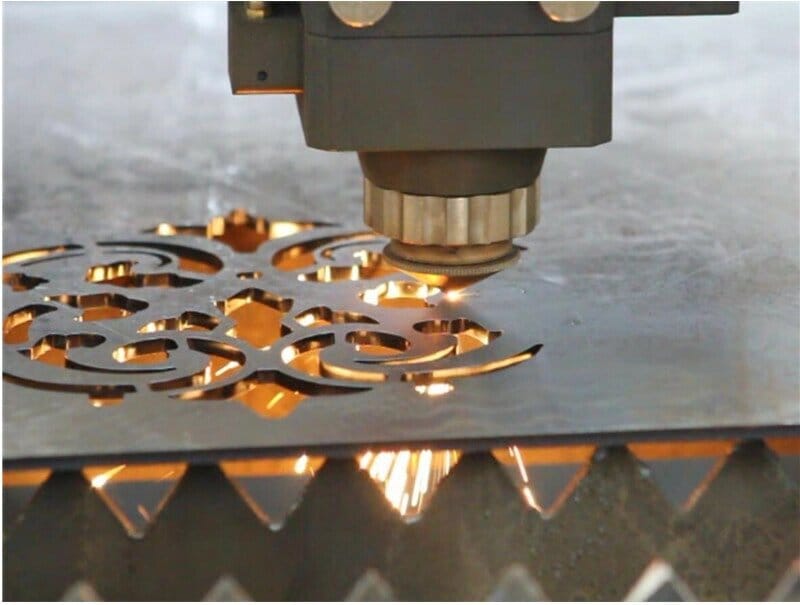
Some Metals (Engraving, or specific lasers for cutting): Now, this is where it gets a tiny bit technical. Standard CO2 lasers (the most common type) generally can't cut through most metals – the beam just bounces off like it’s saying, "Nah, not today!" However, they are fantastic for engraving metals, leaving a permanent mark. For actually cutting metals, you usually need a much more powerful and different type of laser called a fiber laser. So, if you're dreaming of cutting steel, you'll need to upgrade your laser's superpower!
The "Absolutely Not! Seriously, Don't Even Think About It" List
And now, for the important "don't" list. Some materials are a big no-no for laser cutting, either because they're dangerous, ineffective, or just plain messy:

PVC/Vinyl:
Most Metals (with a CO2 laser): As mentioned, regular CO2 lasers just don't have the juice to cut through most metals. You’d mostly just be wasting your time and power.
Thick Glass/Mirrors (cutting): While engraving is fine, trying to cut through thick glass with a CO2 laser can cause it to shatter unpredictably – not ideal for your project (or your safety).

Certain Foams & Plastics: Some plastics like polystyrene foam or polypropylene can catch fire or melt into a gooey, difficult-to-clean mess. Always check if a plastic is laser-safe before zapping it!
Unleash Your Inner Creator!
So, there you have it! From delicate paper to robust wood and shimmering acrylic, lasers open up a whole universe of creative possibilities. The precision, speed, and versatility are truly incredible, letting you bring your wildest design dreams to life.
Whether you're a seasoned maker or just curious about this amazing technology, remember that lasers are tools designed to empower your creativity. So go ahead, dream big, experiment (safely, of course!), and enjoy the magic of transforming ordinary materials into extraordinary creations. The future of crafting is bright, and it's full of laser beams and smiling faces!