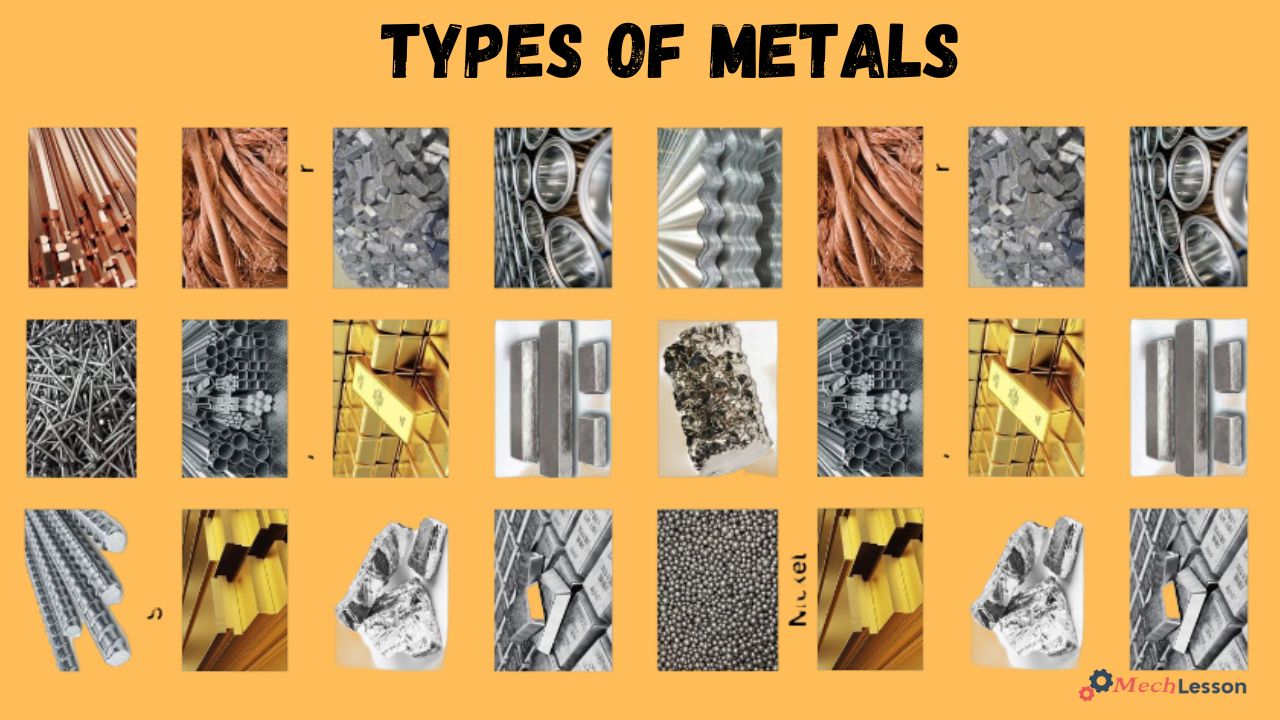
Ever stopped to truly think about the incredible materials that literally build our world, from the towering skyscrapers we admire to the tiny chips in our smartphones? We're talking about metals! Far from being just boring, grey lumps, metals are the unsung heroes of daily life, driving innovation, enabling technology, and even shaping human history. Understanding "What Kinds Of Metals Are There?" isn't just for scientists or engineers; it's a fun journey into appreciating the ingenious materials that make modern life possible.
The purpose of this little exploration isn't to turn you into a metallurgist overnight, but to spark your curiosity and give you a friendly glimpse into the fascinating world beneath the surface of everyday objects. You'll gain a new appreciation for why your bike is light, why your jewellery sparkles, or why certain tools are incredibly strong. It’s about recognizing the silent, metallic symphony that plays all around us!
So, let's dive into the fascinating categories. The first big split is between ferrous metals and non-ferrous metals.
Ferrous metals are the strong backbone of our infrastructure. The word "ferrous" comes from "ferrum," the Latin word for iron. So, you guessed it, these metals are primarily made of iron.
- Iron: This is the granddaddy! Pure iron isn't used much on its own because it's quite soft. However, when mixed with a tiny bit of carbon, it transforms into...
- Steel: Meet the superstar! Steel is an alloy (a mixture of metals, or a metal and another element) of iron and carbon. It's incredibly strong, durable, and versatile. From car bodies to bridges, cutlery to surgical instruments, steel is everywhere. If you see something sturdy and magnetic, there's a good chance it's steel! The downside? Ferrous metals tend to rust when exposed to moisture and oxygen.
Now for the colourful and diverse world of non-ferrous metals. These metals don't contain iron as their primary component, and they often boast properties that ferrous metals can't match, like being lighter or more resistant to corrosion.

- Aluminum: Think soda cans, airplane wings, and lightweight bike frames. Aluminum is incredibly lightweight and highly resistant to rust, making it perfect where strength-to-weight ratio is crucial.
- Copper: This reddish-brown metal is famous for being an excellent conductor of electricity and heat. That's why you find it in electrical wires, plumbing pipes, and even the Statue of Liberty! It's also very ductile, meaning it can be drawn into thin wires.
- Gold & Silver: Our dazzling precious metals! Beyond their beauty in jewellery, both are superb conductors of electricity, making them vital in high-end electronics. Gold is also incredibly resistant to corrosion.
- Titanium: Often called the "Superman of metals," titanium is incredibly strong, yet surprisingly light. It's also highly resistant to corrosion and biocompatible (meaning the human body doesn't reject it), making it ideal for aerospace, medical implants, and high-performance sports equipment.
- Zinc: You often find zinc used as a protective coating on steel (a process called galvanizing) to prevent rust. It's also a key component in brass (an alloy of copper and zinc).
And remember, the true magic often happens when metals mix! These alloys, like brass (copper + zinc), bronze (copper + tin), or even specialized stainless steels, are engineered to combine the best properties of their constituent metals, creating materials perfectly tailored for countless applications.
So, the next time you pick up a gadget, admire a building, or even just look at your kitchen sink, take a moment to appreciate the incredible variety and ingenuity behind the metals that make our world work. They're not just strong and shiny; they're the very foundation of modern civilization!
![16 Types of Metals and Their Uses [with Pictures] - Engineering Learn](https://engineeringlearn.com/wp-content/uploads/2021/08/Metals.jpg)