
Ever had that moment? You dive into the freezer, ready to grab that tub of rocky road, only to find it's either soft and squishy (a dessert travesty!) or so rock-solid it would shatter a diamond? Yeah, we've all been there. It’s like a daily lottery, isn’t it? And it often leaves you wondering: just what is the temp inside this icy tundra, anyway?
Think of your freezer as your kitchen's personal cryogenic chamber, a frosty fortress designed to keep your pizzas, peas, and popsicles in a state of suspended animation. Its mission? To halt the clock on spoilage and preserve that delicious goodness for another day. But to do that effectively, it needs to hit a very specific, and rather chilly, sweet spot.
The Magic Number: Zero Degrees!
Alright, drumroll please! For optimal food safety and quality, your freezer should ideally be humming along at 0°F (that’s -18°C for our metric pals). Not 10°F, not -5°F, but zero. That’s the golden ticket, the sweet spot, the frosty nirvana where everything stays perfectly frozen, happy, and safe.
Why zero? Well, at this temperature, bacteria that could make you say "uh oh" pretty much press the snooze button indefinitely. They don't die, mind you, but they certainly don't multiply. It's like putting them in a tiny, icy timeout corner.
Why Does It Matter So Much?
Beyond the whole "bacteria on sabbatical" thing, that 0°F mark is crucial for a couple of other very important reasons. First up: texture. Nobody wants watery, icy berries, right? Or ice cream that melts into a soupy mess before you can even scoop it. Zero degrees ensures things stay gloriously solid and delicious.

Then there's the dreaded freezer burn. You know the look: those crusty, grayish patches on your chicken or veggies. It’s not harmful, but it tastes like a ghost of its former self – flavorless and dry. Freezer burn happens when moisture escapes and then refreezes on the surface. Maintaining a consistent 0°F slows this process down significantly, keeping your food tastier for longer. Think of it as a tiny, frosty force field against blandness.
When Your Freezer Isn't Playing Along
So, you know the ideal temp. But why does it sometimes feel like your freezer has a mind of its own? There are a few common culprits:
-
The Door Dabbler: Every time you open that door, a rush of warmer air invades. If you’re like me and spend five minutes staring into the abyss wondering what to eat, your freezer is working overtime to get back to zero.
-
The Overpacker: Stuffing your freezer to the brim sounds efficient, but if there's no room for air to circulate, some spots might stay warmer. It’s like a crowded elevator – things get stuffy!
-
The Empty Nester: Conversely, a nearly empty freezer can struggle too! Frozen items help keep each other cold. A full freezer (but not over full) is a happy freezer.

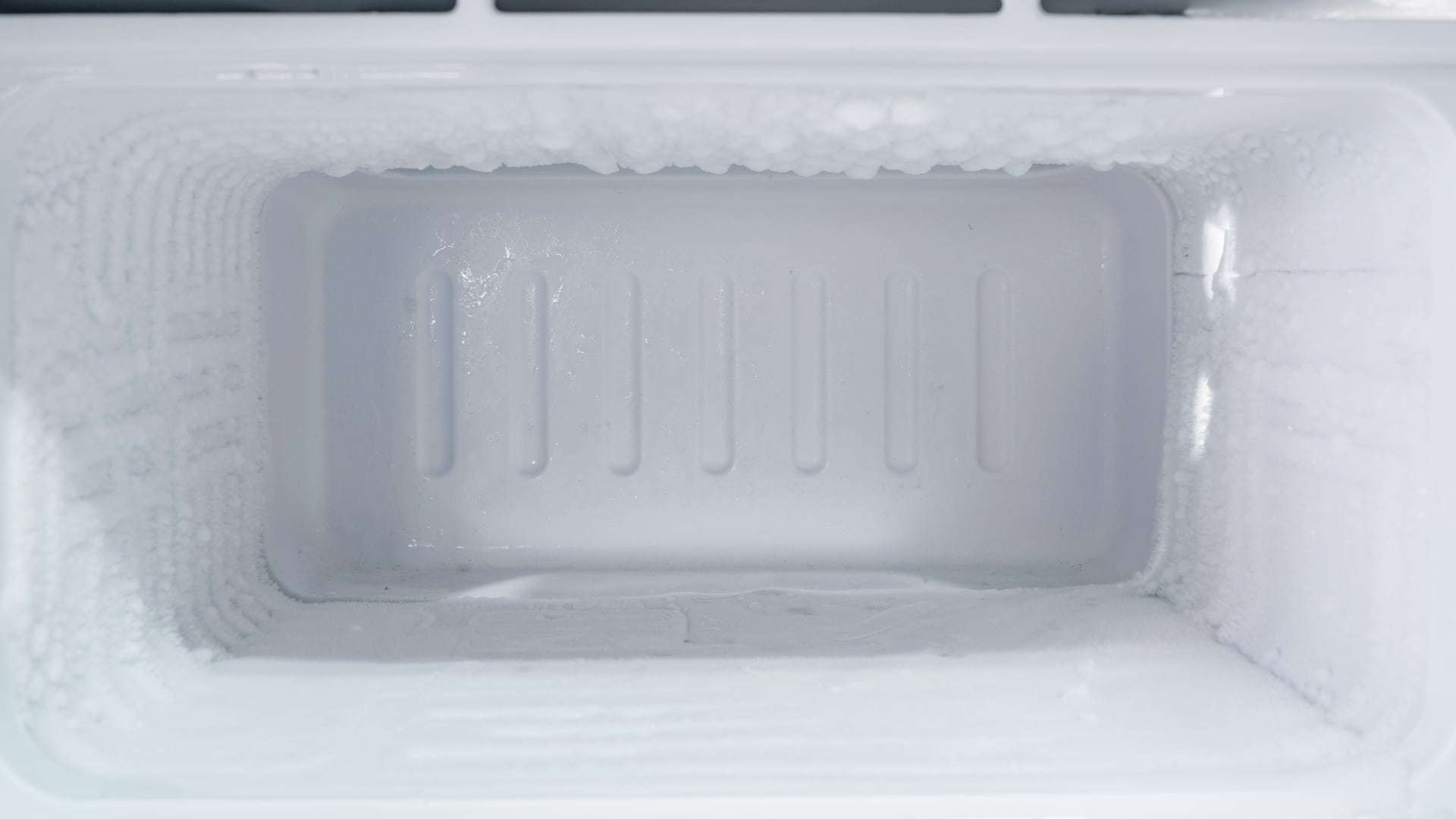
Inside Freezer Ice -
The Senior Citizen Freezer: Older models might not be as efficient. Sometimes, it’s just time for an upgrade, or at least a good defrosting.
How to Keep Your Freezer Chilly and Cheerful
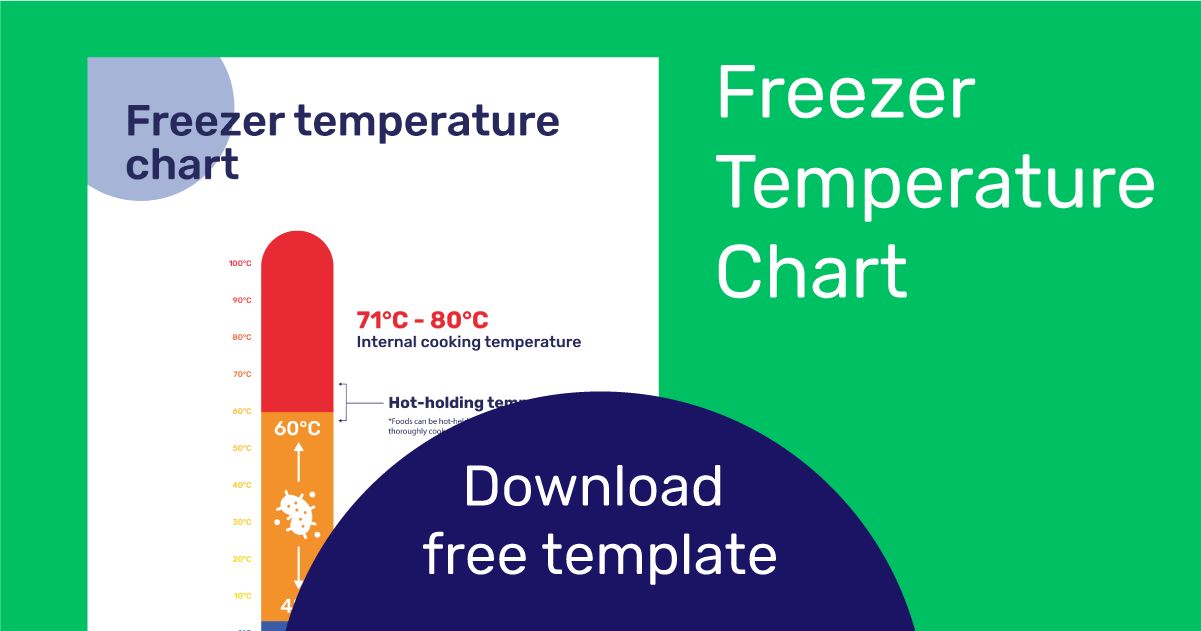
Want to ensure your freezer is always hitting that sweet 0°F spot? Grab an inexpensive freezer thermometer. It’s a small investment for big peace of mind. Place it inside and check it periodically. If it's consistently above zero, you might need to adjust the thermostat (usually a dial or a digital setting).
Also, try to limit those long, thoughtful stares into the freezer. Plan your meals, know what you're grabbing, and get in and out like a ninja! And when you’re done, make sure that door is securely sealed. No sneaky gaps letting in the warmth.
So, the next time you reach for that perfectly frozen bag of peas or a rock-hard ice cream scoop, give a little nod of appreciation to your diligent freezer. It’s working hard to maintain that frosty 0°F, ensuring your food stays safe, delicious, and ready for its moment in the sun (or, you know, on your plate).
And if you find yourself with a soft ice cream situation, well, at least you know why! Time for a quick temp check, and perhaps a speedy (albeit slightly melty) treat.