Ever squished a bouncy ball? Or maybe felt the comforting give in your shoe sole? Rubber is everywhere, right? And it feels... well, rubbery. But have you ever stopped to think about how we describe just how rubbery something is? We talk about things being "hard" or "soft" all the time. A rock is hard, a feather is soft. Easy! But what about rubber? It's not exactly hard like a rock, but it's not always super squishy either. So, what is the hardness of rubber, really? It's a surprisingly cool question with some neat answers!
What Even IS "Hardness" for Rubber?
When we talk about hardness for, say, a metal, we usually think about how resistant it is to scratching or permanent deformation. Imagine trying to scratch a diamond – nearly impossible! But rubber is different. You can scratch rubber pretty easily, and it's designed to flex. So, when engineers and designers talk about the hardness of rubber, they're not really thinking about scratching it. Instead, they're focused on its resistance to indentation. Think about it: how much does it 'give' when you press into it? That's the key.
It’s less about inherent rigidity, and more about its elasticity and how much force it takes to make a temporary dimple. Does it bounce back quickly, or does it stay indented for a bit? This property is super important because it dictates how rubber performs in countless applications, from sealing gaskets to vibration dampeners to those squeaky toys our pets love. It’s all about finding that perfect balance of give and resistance.
Enter the Shore Durometer: Rubber's Secret Weapon
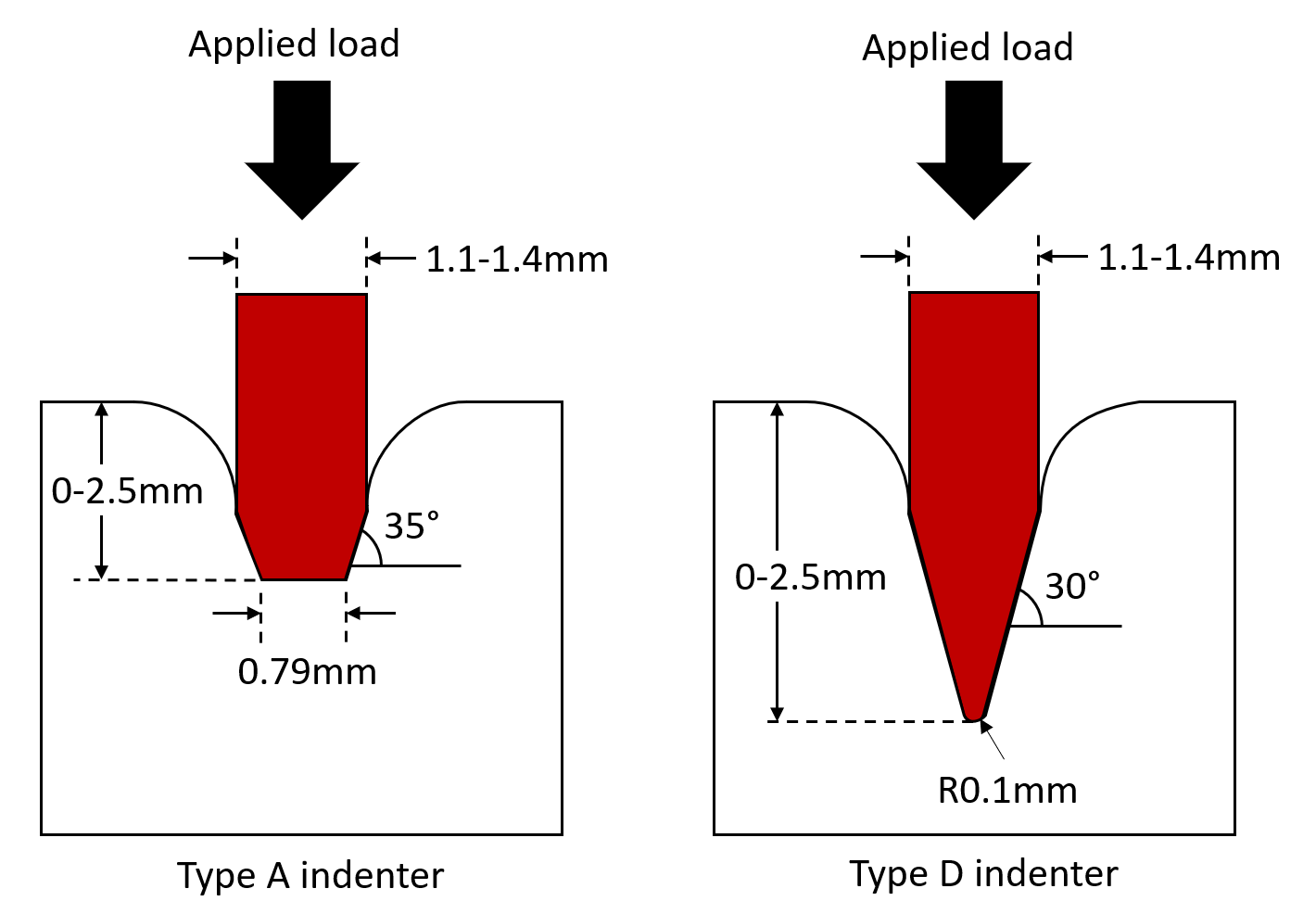
So, how do we actually measure this mysterious "hardness" of rubber? We can’t just poke it with our finger and say, "Yep, that's pretty hard!" (Although, let’s be honest, we all do that sometimes). The professionals use a clever little device called a Shore Durometer. Sounds fancy, right? It’s essentially a hand-held tool with a specially shaped indenter (like a tiny blunt needle or cone) that gets pressed into the rubber with a calibrated force.
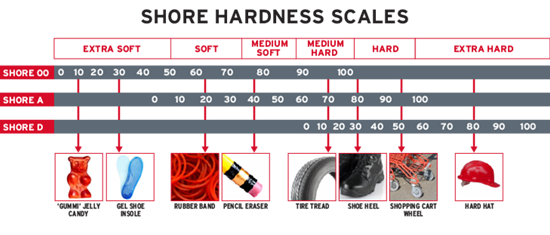
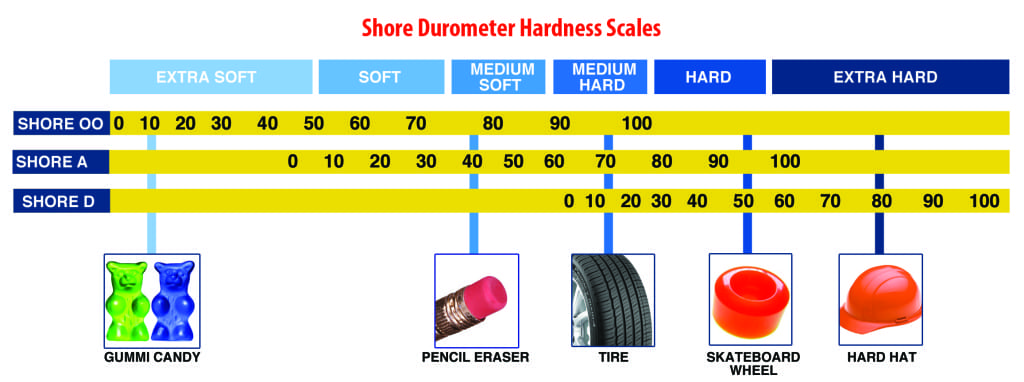
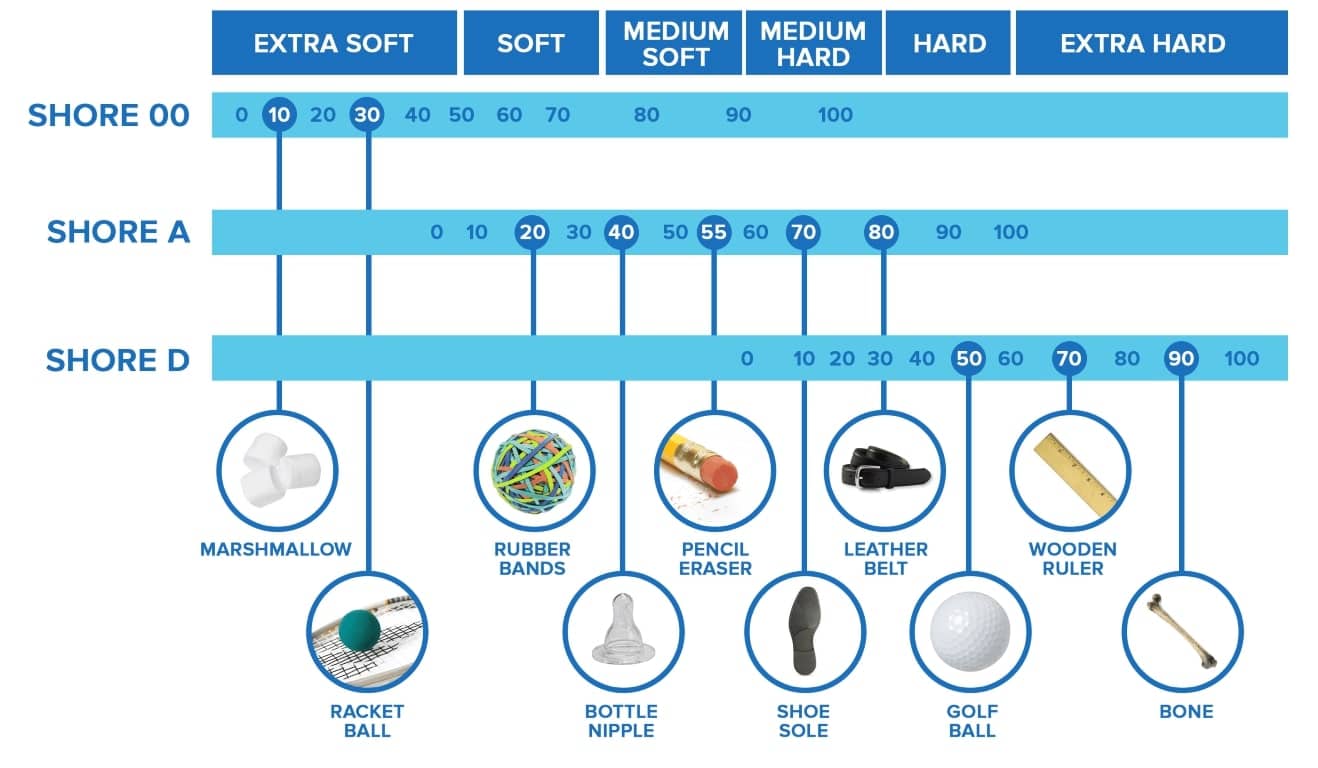
The depth of that indentation is then translated into a numerical reading on a scale. You’ll often hear about two main scales for rubber: Shore A and Shore D. The Shore A scale is for softer rubbers, like the sole of your running shoe or a rubber band. It measures from 0 (super soft, almost liquid) to 100 (quite firm). The Shore D scale, on the other hand, is for much harder rubbers and plastics, like a skateboard wheel or a hard plastic cutting board. It picks up where Shore A leaves off, going from about 20D (firm rubber) to 100D (very rigid plastic). It’s like having two different rulers for different sizes of things!
From Gummy Bears to Car Tires: A World of "Hardness"
Let’s paint a picture of just how varied rubber hardness can be. Imagine a gummy bear. Go on, give it a squeeze. That delightful squishiness is probably somewhere around 10 to 20 Shore A. Super soft, super flexible, and oh-so-chewy. Then think about a simple rubber band – a bit firmer, maybe 25 to 30 Shore A. Still very flexible, but with more resistance.
Now, let’s move up the scale. The soles of your sneakers, designed for grip and comfort, might be in the 40 to 60 Shore A range. They offer good cushioning but are firm enough to provide support. Car tires? They need to be tough and durable, resisting punctures and wear, so they often fall into the 60 to 70 Shore A range. They're definitely firm, but still have enough give to absorb road imperfections. Getting harder!
And what about things that feel almost like plastic, but are still technically rubbery polymers? Think about those super durable wheels on a shopping cart, or a hard rubber mallet. These can be up in the 70 to 90 Shore A range, sometimes even venturing into the lower end of the Shore D scale. We're talking about materials that are tough, resistant, and offer minimal compression, yet still retain some of that inherent flexibility that makes them "rubber." It's a huge spectrum, isn't it?
Why Does Any Of This Matter?
You might be wondering, "Okay, cool, numbers. But why should I care about how hard a piece of rubber is?" Well, it's pretty profound! The hardness of rubber dictates its entire purpose. Want a seal that keeps water out of your washing machine? You need a specific hardness to create a tight, durable seal without being too rigid. Need a vibration isolator for an engine? You'll want a softer rubber to absorb those shakes effectively.

It affects everything from the comfort of your phone case to the safety of a playground surface. Imagine if playground tiles were made of hard plastic instead of softer rubber – ouch! Or if your earbud tips were rigid and unyielding. The careful selection of rubber hardness is a silent hero in product design, ensuring things work as they should, feel as they should, and last as they should. It’s a testament to the incredible versatility of this material!
So, What's the Takeaway?
Next time you squish something made of rubber, take a moment to appreciate the science behind its feel. That seemingly simple squish or firm resistance isn't accidental; it's a carefully engineered property, measured with precision using a Shore Durometer. From the softest squishy toy to the toughest industrial gasket, the "hardness" of rubber is a fascinating spectrum that makes our world work better, feel better, and ultimately, gives us endless possibilities for innovation. Who knew rubber could be so deep?