Have you ever picked up a shiny copper penny, marveled at a gleaming copper pot, or perhaps wondered why electrical wires are always made of that familiar reddish-brown metal? There's more to these everyday items than meets the eye, and a big part of their magic lies in a fundamental property called hardness. Understanding the hardness of materials isn't just for scientists in lab coats; it's a fascinating peek into why the world around us is built the way it is, and why copper, in particular, plays such a vital role.
So, why bother understanding how hard copper is? Well, it turns out, knowing a material's hardness is like knowing its superpower! It tells us how well it will stand up to wear and tear, how easy it is to shape, and ultimately, what jobs it's best suited for. For engineers, manufacturers, and even artists, this knowledge is invaluable. It helps them design everything from durable plumbing systems that won't easily dent, to intricate sculptures that hold their form, to highly conductive wires that can bend without breaking. Without this insight, we might end up with electrical wires that snap, or water pipes that puncture too easily, making our modern world a much more complicated place!
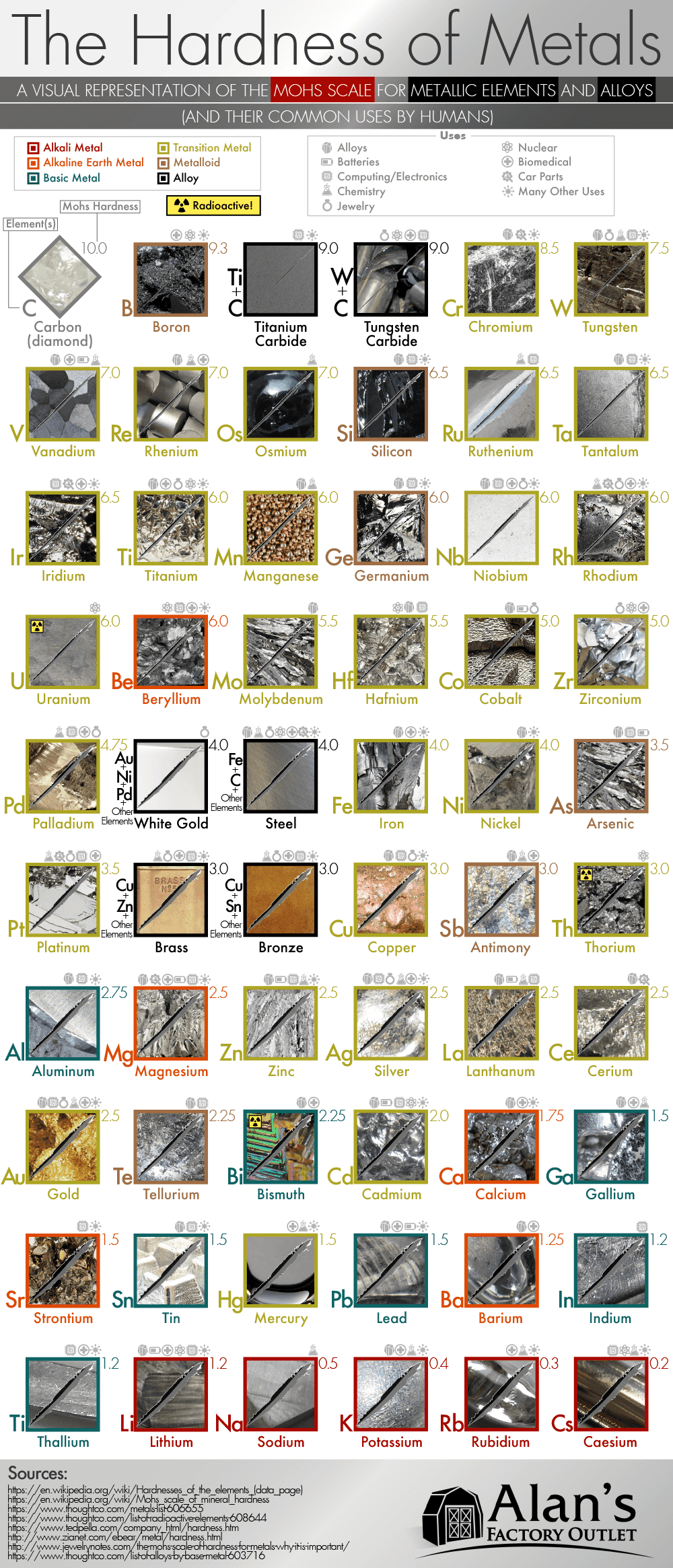
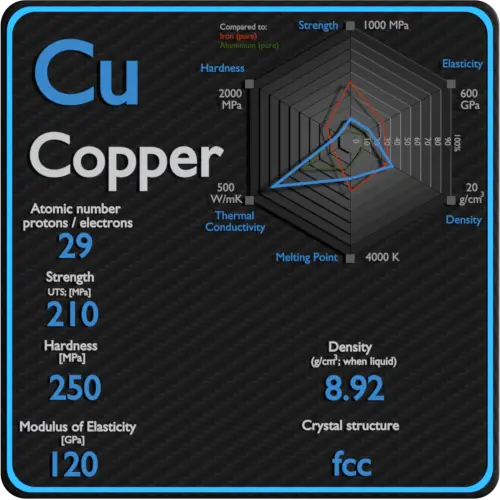
Now, let's talk about copper itself. When we ask, "What is the hardness of copper?" we're essentially asking how much it resists permanent deformation, scratching, or indentation. Think about trying to scratch a diamond versus scratching a bar of soap – that's the range of hardness we're talking about! Copper sits comfortably in the middle of the spectrum. It's generally considered a relatively soft metal compared to, say, steel or titanium. On the Mohs scale, which measures scratch resistance from 1 (talc) to 10 (diamond), copper typically hovers around a 3.
But don't let "soft" fool you into thinking it's weak! This relative softness is precisely what gives copper some of its most desirable qualities. It means copper is incredibly malleable (it can be hammered or pressed into thin sheets without breaking) and ductile (it can be stretched into thin wires). These properties are crucial for its use in electrical wiring, where flexibility is key, and in plumbing, where pipes need to be bent and shaped. Imagine trying to bend a steel pipe with your bare hands – good luck with that!

However, it's not a one-size-fits-all answer. The hardness of copper isn't entirely fixed. Pure copper tends to be softer, but its hardness can be significantly increased through a process called work hardening (also known as cold working). This is where the metal is mechanically stressed – hammered, bent, or drawn – which rearranges its internal structure and makes it tougher and harder. That's why a freshly drawn copper wire will be harder than a piece of pure, unworked copper. The addition of other metals to create alloys like brass (copper and zinc) or bronze (copper and tin) also dramatically alters copper's hardness, opening up a whole new world of applications for these specialized materials.
So, the next time you see a copper statue gleaming in the sun, a set of copper-bottomed pots, or even just the copper wiring in your home, you'll know that its ability to shine, conduct, and endure is all thanks to its unique and versatile hardness – a property that's anything but soft in its importance!