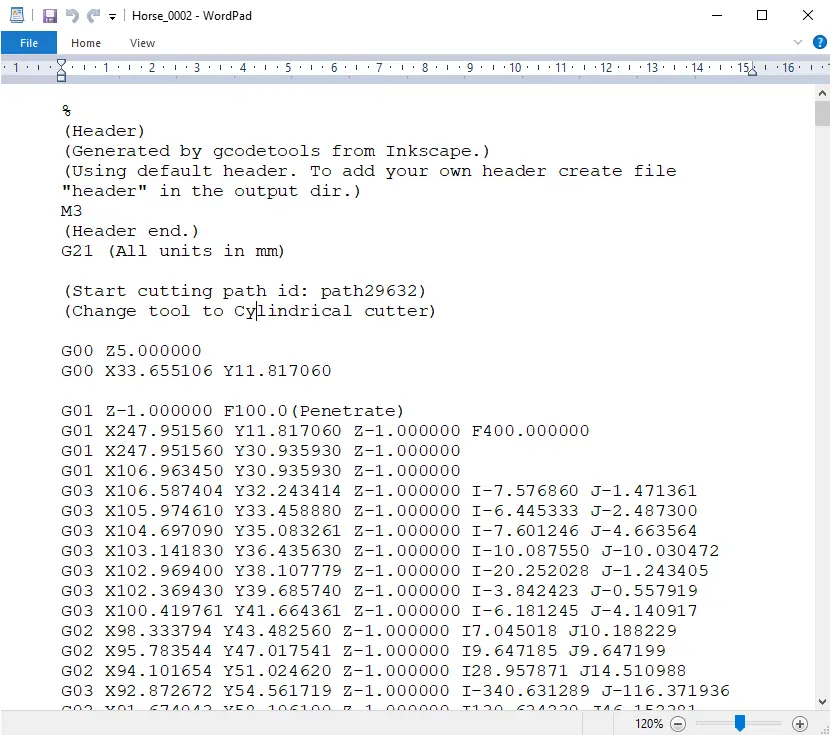
Ever marveled at a perfectly sculpted miniature castle popping out of a 3D printer? Or perhaps admired a custom-engraved wooden plaque with intricate details, crafted by a robotic arm? Maybe you've even seen a laser cutter precisely carve out a delicate pattern from acrylic. What’s the secret sauce behind all these modern marvels, these incredible feats of digital craftsmanship? It’s not magic, nor is it a hyper-intelligent robot making decisions on its own. Behind every precise movement, every melt of plastic, and every laser beam, lies a humble, often unseen hero: a file with the .gcode extension.
You might picture complex software interfaces or arcane incantations when thinking about how machines build things. But in reality, the brain of these incredible devices communicates through something surprisingly simple, almost like a detailed shopping list or a very specific recipe. That, in essence, is what a G-code file is. It’s a plain text document, full of commands that tell a machine exactly what to do, step by meticulous step.
The Machine's Recipe Book
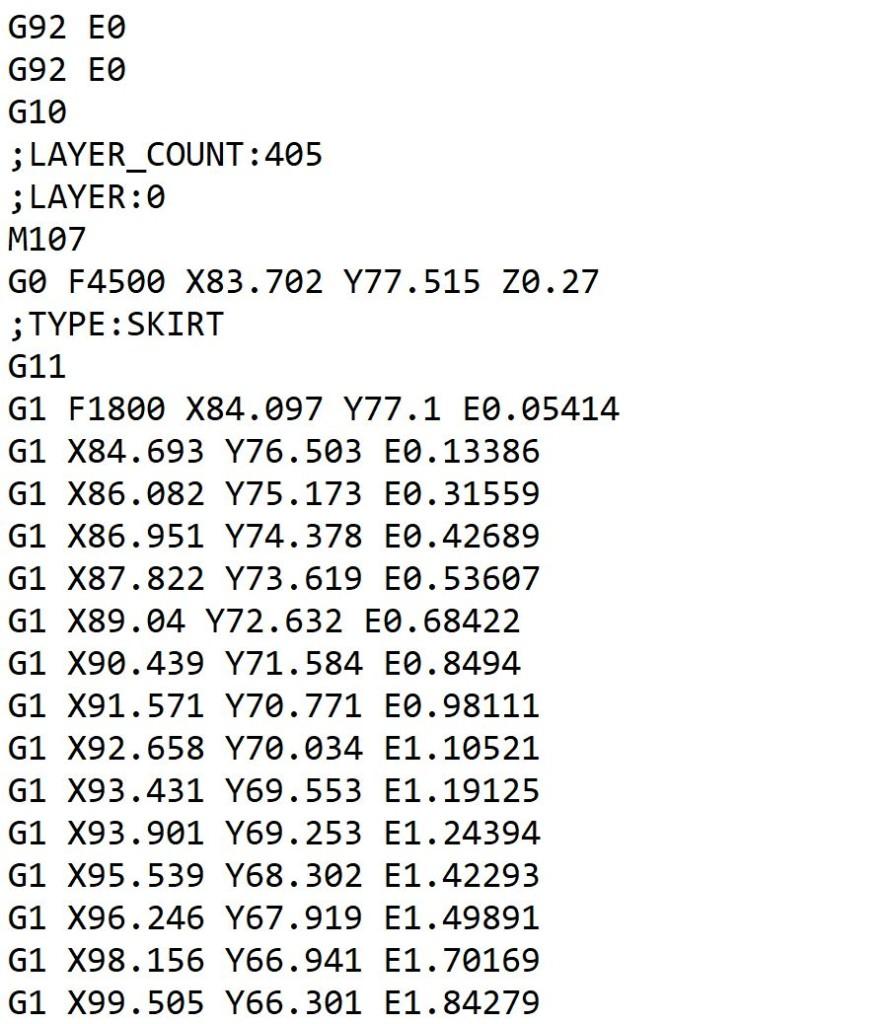
Think of your favorite home-cooked meal. You follow a recipe, right? It tells you to preheat the oven, add two cups of flour, stir gently, and bake for 30 minutes. A .gcode file is exactly like that, but for a machine. Instead of "stir gently," it might say something like `G01 X10 Y20 F500`, which translates roughly to, "Go to specific coordinates (X10, Y20) at a speed of 500 units per minute." Instead of "preheat oven," it might command `M104 S200`, meaning, "Heat the extruder nozzle to 200 degrees Celsius."
"Okay, machine, lift your tool by 5 millimeters. Now, move left a tiny bit. Perfect. Now, plunge down and carve a little curve. Repeat 200 times."
It’s a symphony of microscopic instructions, orchestrated in perfect sequence. There’s no ambiguity, no room for creative interpretation from the machine. Every single movement, every temperature change, every turn of a motor is meticulously spelled out, line by line. This incredible precision is what allows us to go from a digital design on a computer screen to a tangible object in our hands.
From Idea to Reality: The Human Touch
What's truly heartwarming about G-code isn't just its technical brilliance, but the human stories it enables. Imagine a grandfather wanting to make a unique, custom-designed toy for his grandchild. He doesn’t need to learn a complex programming language. He simply designs the toy in user-friendly software, and with a click, that software translates his loving design into a .gcode file. That file then guides his 3D printer to meticulously build the toy, layer by tiny layer. The child holds not just a toy, but a physical embodiment of their grandfather's affection, all made possible by those unassuming lines of code.
Or consider the small business owner creating personalized gifts with a CNC machine. Each engraved name, each custom shape, is a testament to someone's creative vision and dedication brought to life. These makers pour their passion into their designs, and the .gcode file acts as the faithful translator, ensuring the machine perfectly executes their artistic intent. It’s the invisible string-puller, the quiet conductor of a very loud and precise orchestra of tools.

The Unsung Hero in the Digital Age
The surprising thing about G-code is how fundamental it is, yet how few people outside of specialized fields even know it exists. It lives inside your computer, a simple text file, yet it holds the blueprint for physical reality. It’s like finding out the secret ingredient to a master chef's award-winning dish is just... a meticulously detailed list of steps. The magic isn't in some futuristic AI, but in the elegant simplicity of clear, concise instructions.
This humble file format is what empowers hobbyists, small businesses, and even major industries to turn imagination into reality. It’s the universal language of making, spoken fluently by everything from hobbyist laser cutters in garages to industrial robotic arms on factory floors. It democratizes creation, putting the power of precision manufacturing into more hands than ever before.
So, next time you marvel at a beautifully intricate 3D print, a custom-cut sign, or even an embroidered patch, remember the unsung hero working tirelessly behind the scenes: the humble, yet incredibly powerful, .gcode file. It’s a testament to how simple instructions, when perfectly aligned with human creativity, can build a world of wonder, one precise movement at a time.