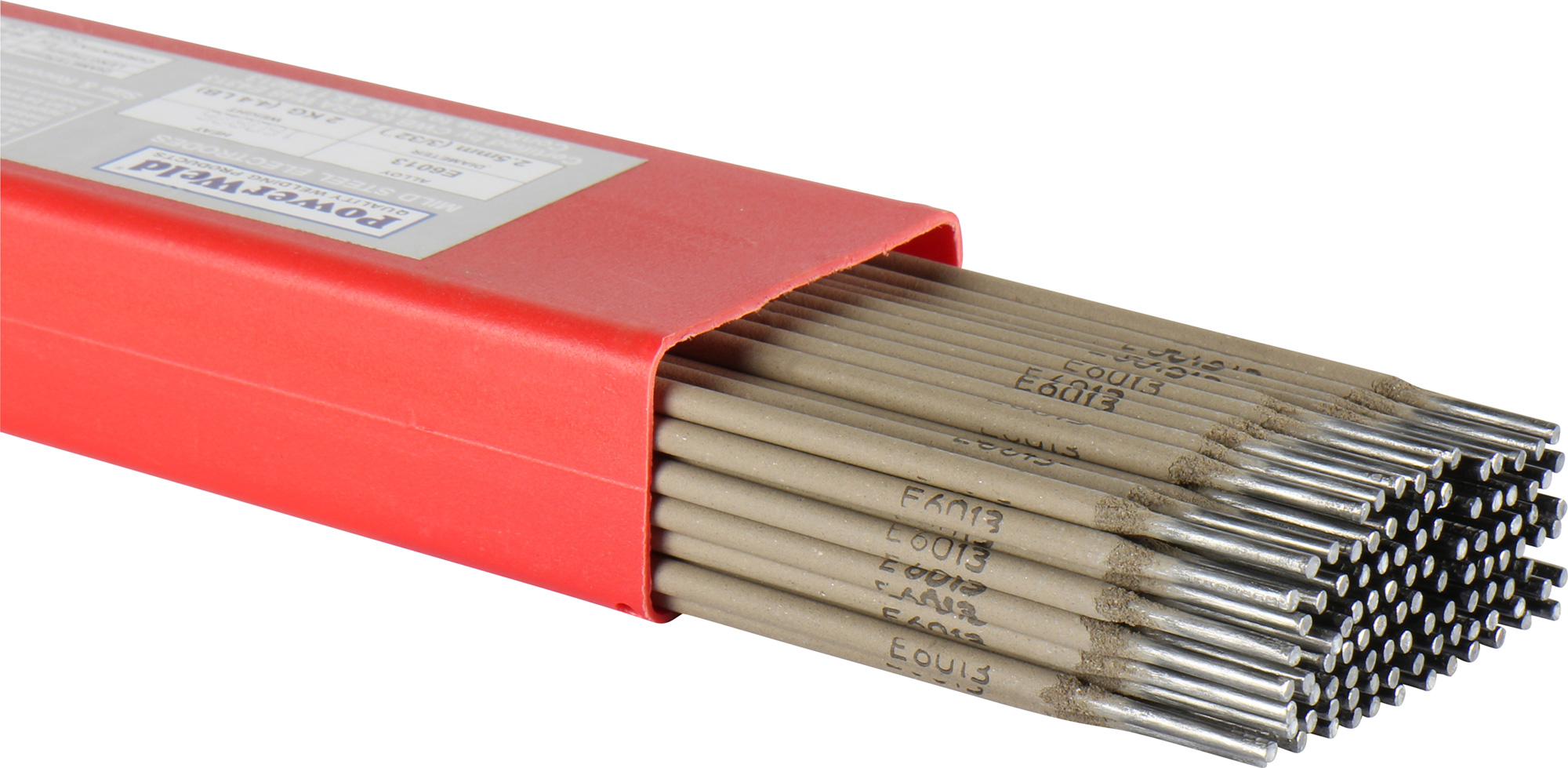
Okay, so picture this: You’ve got a beloved old garden chair with a wobbly leg. You try to fix it with some super glue. A few weeks later, thud. Back to square one. Then you see someone, maybe on YouTube, taking two pieces of metal, touching them with a stick, and poof – sparks fly, metal melts, and suddenly, they're one solid piece. Mind. Blown. You’re left thinking, "What sorcery is this? And what’s that stick they’re holding?"
Well, my friend, that "stick" is at the heart of much of that metal-joining magic. It’s what we call an electrode in the wonderful world of welding.
So, What Even Is an Electrode?
At its core, an electrode in welding is basically a fancy conductor. Think of it as the business end of your welding setup. It’s what carries the electric current from your welding machine to the workpiece, creating that super-hot arc that melts the metals together.
But wait, there's more! It’s not just a conduit for electricity. Often, it's also the source of the filler material – the stuff that literally fills the gap between the pieces you're joining, creating a strong, unified bond. Imagine trying to build a brick wall without mortar; that’s kinda what welding without filler material (in many cases) would be like.
The Two Main Camps: Melting Away or Sticking Around
Now, electrodes aren't a one-size-fits-all deal. There are two big categories, and understanding them is pretty fundamental:
1. Consumable Electrodes: The "Melt-Away" Kind
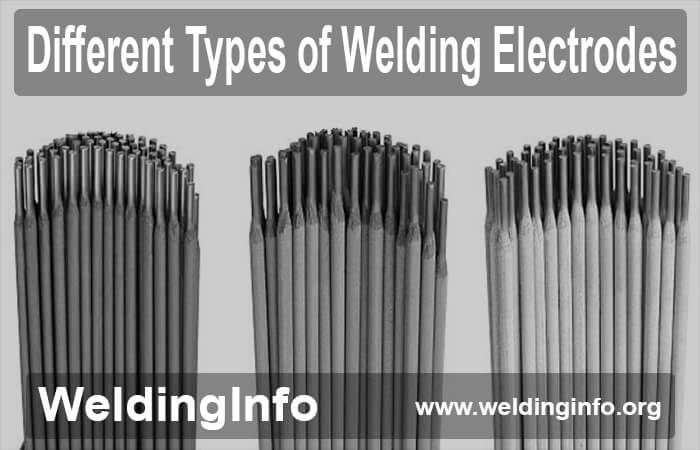
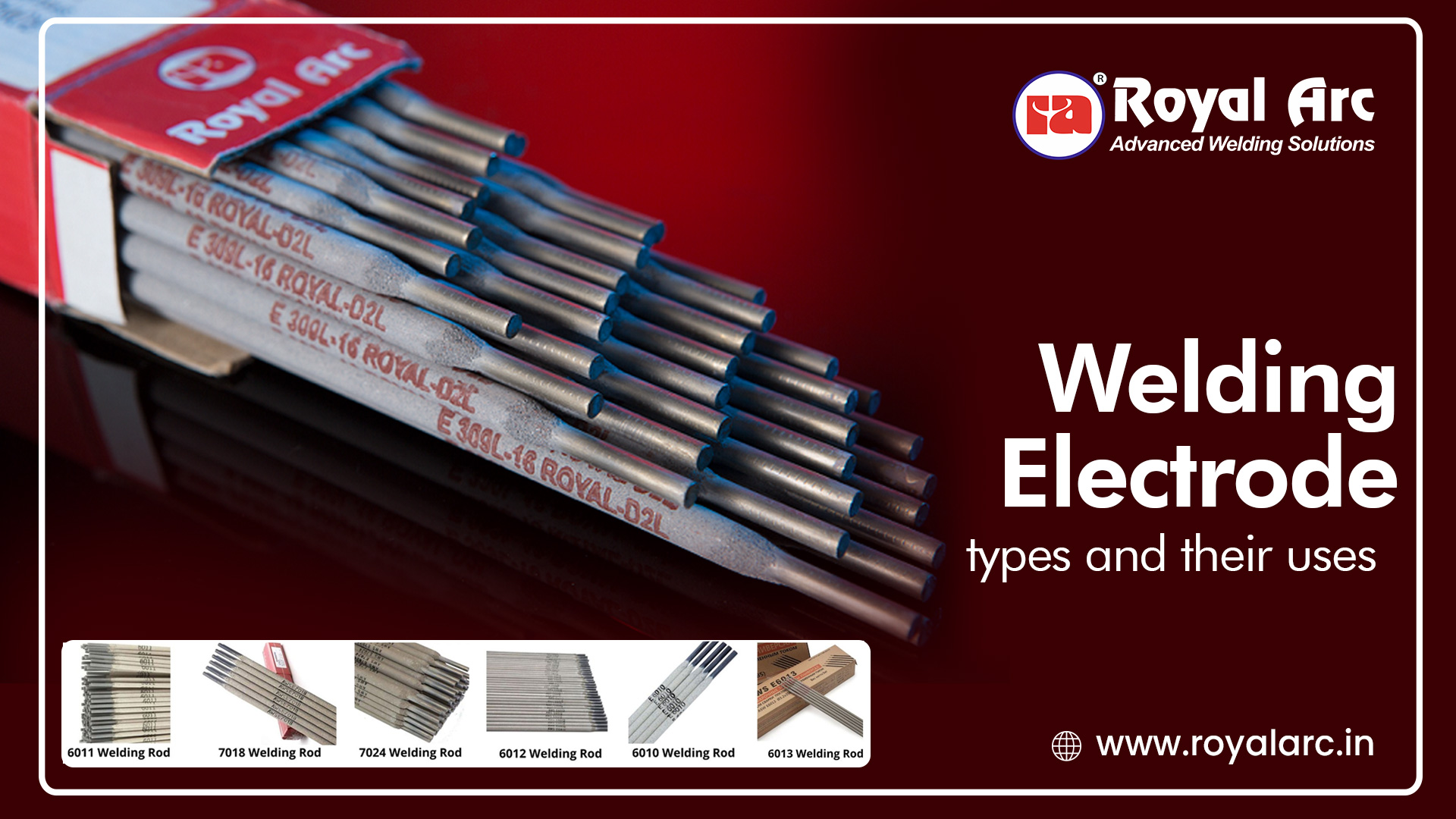
This is probably what most people picture when they think of welding. With consumable electrodes, the electrode itself melts during the welding process. It becomes part of the weld puddle, supplying that crucial filler material we just talked about. Think of it like a crayon slowly getting shorter as you draw – it's being "consumed" to create something new.
This type is super common in processes like Stick welding (also known as Shielded Metal Arc Welding or SMAW) and MIG welding (Gas Metal Arc Welding, where the electrode is a continuous wire spool). You use it up, you toss the stub (or reload the spool), and grab another. Simple, right?
2. Non-Consumable Electrodes: The "Reusable" Kind
Then you have the non-consumable types. These guys are tough. They don't melt and become part of the weld. Instead, they act solely as the arc generator, getting incredibly hot but staying mostly intact. The most common material for these is tungsten (yep, the same stuff in old lightbulb filaments, because it has an insanely high melting point).
If you've ever seen someone TIG welding (Tungsten Inert Gas welding), that super precise, clean looking weld? That's a non-consumable tungsten electrode at work. Since it doesn't provide filler, you usually have to feed separate filler rod into the weld puddle with your other hand. It requires some coordination, but the results can be absolutely gorgeous, almost artistic!
Covered Up or Bare Naked? (Mostly for Consumables)
Digging a little deeper into the consumable world, you'll also encounter electrodes that are either "covered" or "bare."
Covered Electrodes: The "Coated" Stick
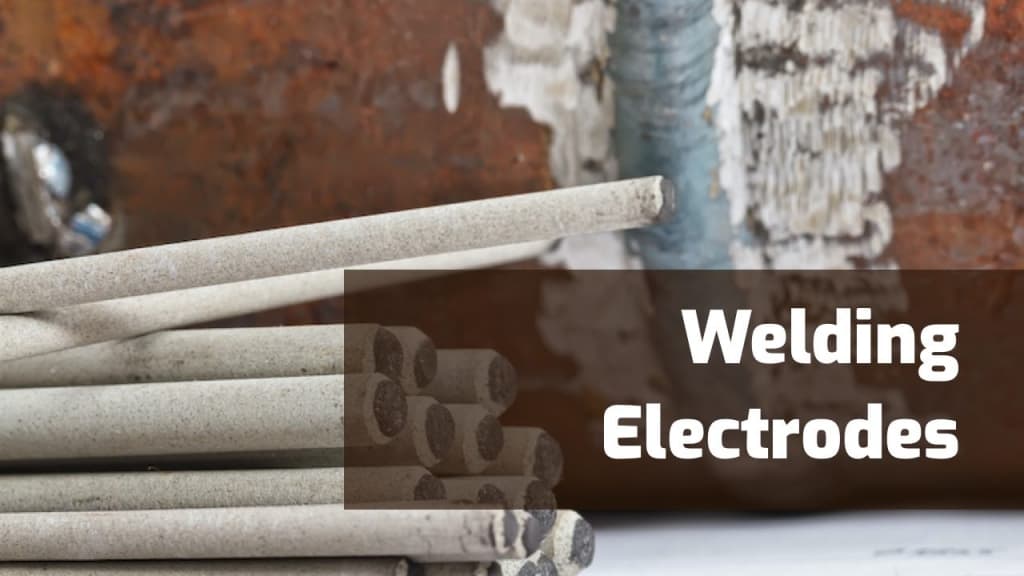
These are your typical stick welding electrodes. They're a metal rod, but they have a special chemical coating or "flux" around them. Why the fancy jacket, you ask? Well, when this coating burns during welding, it does some pretty cool things:
- It creates a protective gas shield around the weld puddle, keeping nasty atmospheric contaminants (like oxygen and nitrogen) from ruining your weld.
- It helps stabilize the arc, making it easier to control.
- It forms a slag layer over the cooling weld, which further protects it and slows down the cooling process, leading to a stronger weld. Think of it as a temporary little blanket for your fresh weld.
Bare Electrodes: The "Wire" Kind
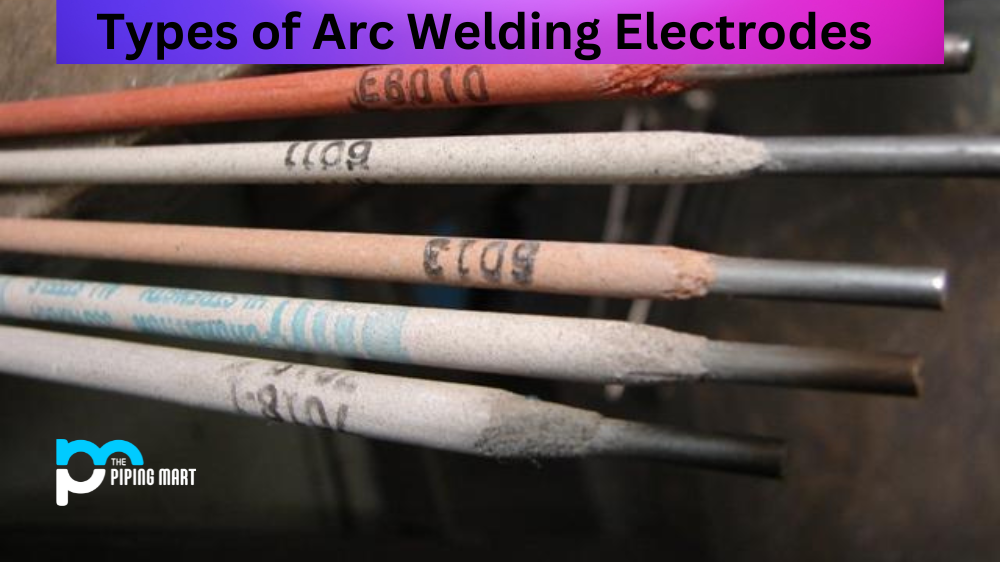
These are typically the continuous spools of wire used in MIG welding. They don't have that thick flux coating. Instead, the protection for the weld puddle comes from an externally supplied shielding gas (usually argon, CO2, or a mix) that flows out of the welding gun alongside the wire. So, less complexity on the electrode itself, but you need a gas tank setup.
So, Why Should You Care About This "Stick"?
Understanding what an electrode is, and the different types, is like knowing the difference between a paintbrush and a chisel when you're an artist. Each tool (or electrode type, in this case) is designed for a specific job, a specific metal, and a specific desired outcome.
It’s the unsung hero, the crucial link that transforms raw electricity into a permanent, rock-solid bond. So next time you see someone welding, give a nod to that humble electrode. It's doing a lot more than just getting hot; it's creating something new. And who knows, maybe it’ll inspire you to pick one up yourself!