Ever been watching an action movie – you know the kind, explosions, dramatic slow-mo, someone shouts about "Teflon-coated armor-piercing rounds!" – and wondered, "Wait, is that even a thing? Does Teflon, like, make bullets super invincible?"
If you have, my friend, you're not alone! It's one of those pop culture tidbits that just… stuck. Like gum to the bottom of your shoe, but way more dramatic. Let's peel back the curtain, shall we? Grab your coffee, this is gonna be a fun one.
The Big Myth: Teflon = Super Bullet?
First off, let's just get it out there: the idea that a bullet coated in Teflon becomes some kind of unstoppable, armor-shredding beast is, well, a pretty big stretch. It’s a bit like saying painting a car red makes it go faster. Fun thought, not quite how physics works.
Hollywood loves a good villain, and a bullet that can pierce anything makes for a great plot device. But in the real world? Not so much. The myth really took off back in the 70s and 80s, largely thanks to a specific type of bullet and some very enthusiastic media reporting. More on that in a sec.
What Is Teflon, Anyway?
You probably know Teflon best from your non-stick frying pans, right? It’s that wonderfully slippery stuff that lets you slide an omelet right out without a fight. Scientifically, it's Polytetrafluoroethylene, or PTFE. Fancy name, simple job: reduce friction. It's incredibly slick, resistant to heat, and generally pretty inert. Basically, the opposite of sticky.
So, if it’s all about reducing friction, how does that translate to a bullet?
Teflon on Bullets: The Real Story
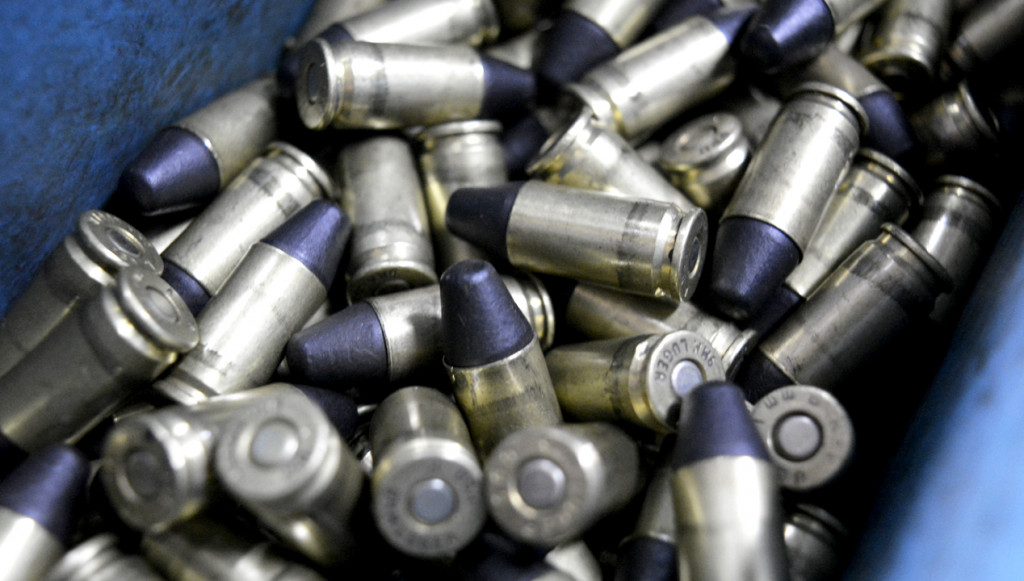
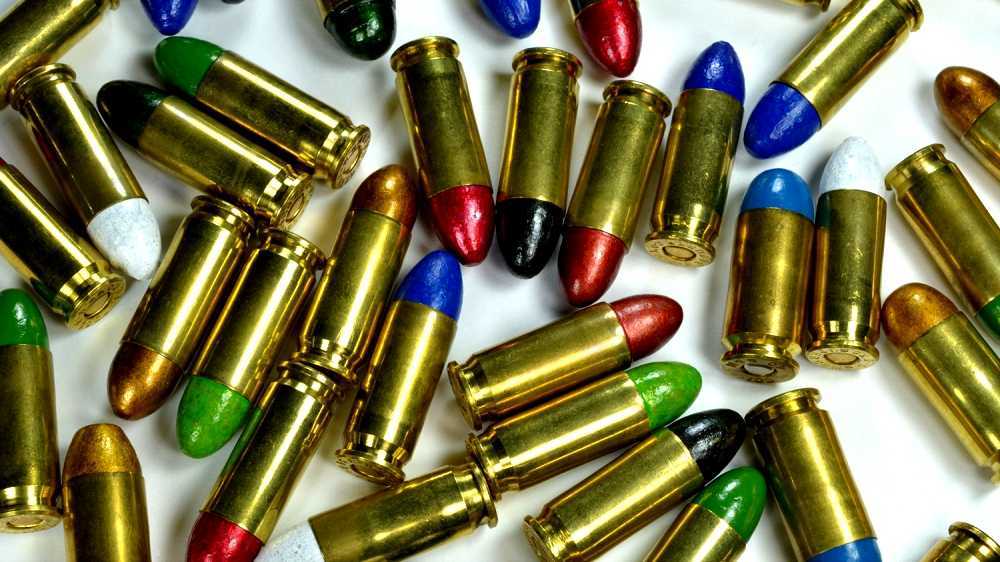
Okay, so let's talk about those infamous bullets. There were bullets coated in Teflon. But here’s the kicker: the Teflon wasn't there to make them pierce armor. Not one bit. Think about it: if a bullet is slamming into a hard surface, what’s going to make it penetrate? A super hard core, a sharp point, high velocity, and dense material. Not a slippery coating on the outside! That's like trying to knock down a wall with a feather duster that’s been polished.
Why Coat a Bullet Then?
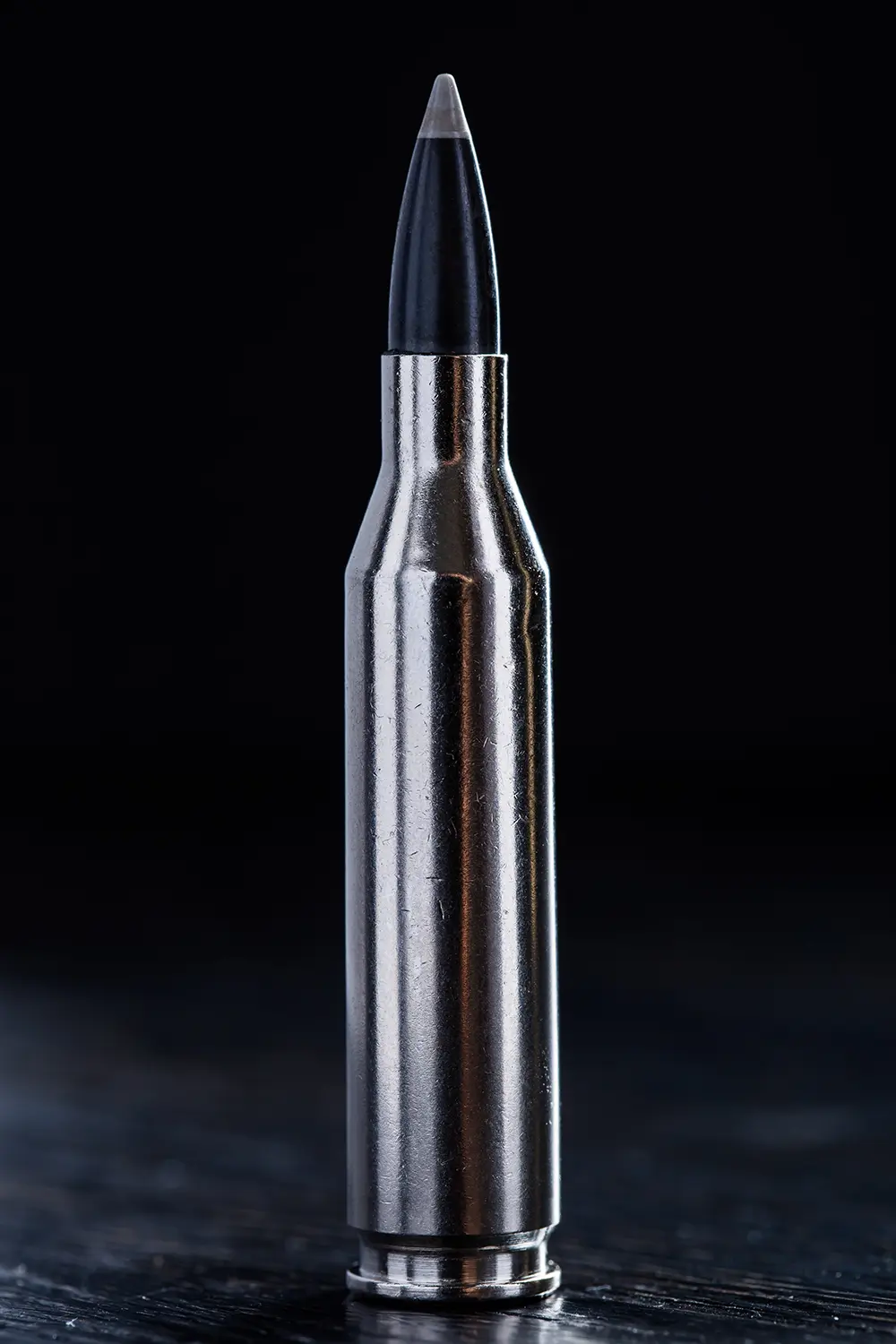
The famous "Teflon-coated" bullets were actually called KTW rounds. And the key to their armor-piercing capability wasn't the coating at all. It was their core material. These bullets had a hardened steel core, which is what gave them their enhanced penetration. Most regular bullets are made of lead, sometimes with a copper jacket. Steel is, you know, much harder.
So, what was the Teflon for? Two main reasons, actually:
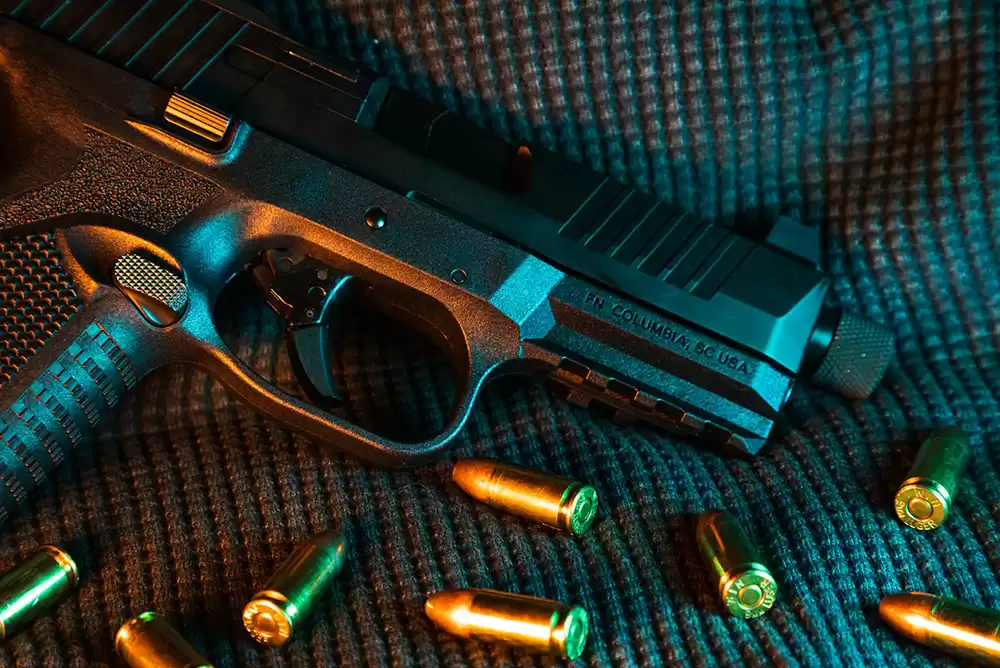
- Barrel Protection: Firing a hardened steel bullet down a gun barrel is a bit like dragging sandpaper through it. Not ideal for the barrel's longevity! The Teflon coating acted as a lubricant, reducing friction and wear on the rifling (the grooves inside the barrel that make the bullet spin). Less wear means your gun lasts longer and stays more accurate. Win-win, right? For the gun, at least.
- Reduced Ricochet (and Visibility): The KTW rounds were originally designed for law enforcement to penetrate things like car doors or engine blocks without disintegrating or wildly ricocheting, which is super dangerous. The black Teflon coating also made them less reflective and, ironically, easier to identify as a special round, which was part of the hubbub.
Think of the Teflon as a sort of protective sleeve for the gun barrel, not a magical armor-piercing upgrade for the bullet itself. It was the bullet's construction material that did the heavy lifting, not the non-stick surface.
Does Teflon Actually Help Penetration?
In a very, very minor way, a super slippery coating could theoretically reduce friction as the bullet travels through a target, potentially allowing it to retain a tiny bit more energy. But we’re talking about negligible differences here. It's like trying to push a car uphill with a tiny feather. A nice thought, but ultimately pointless compared to, say, a super hard, sharp, and heavy object smashing into something at incredible speed.
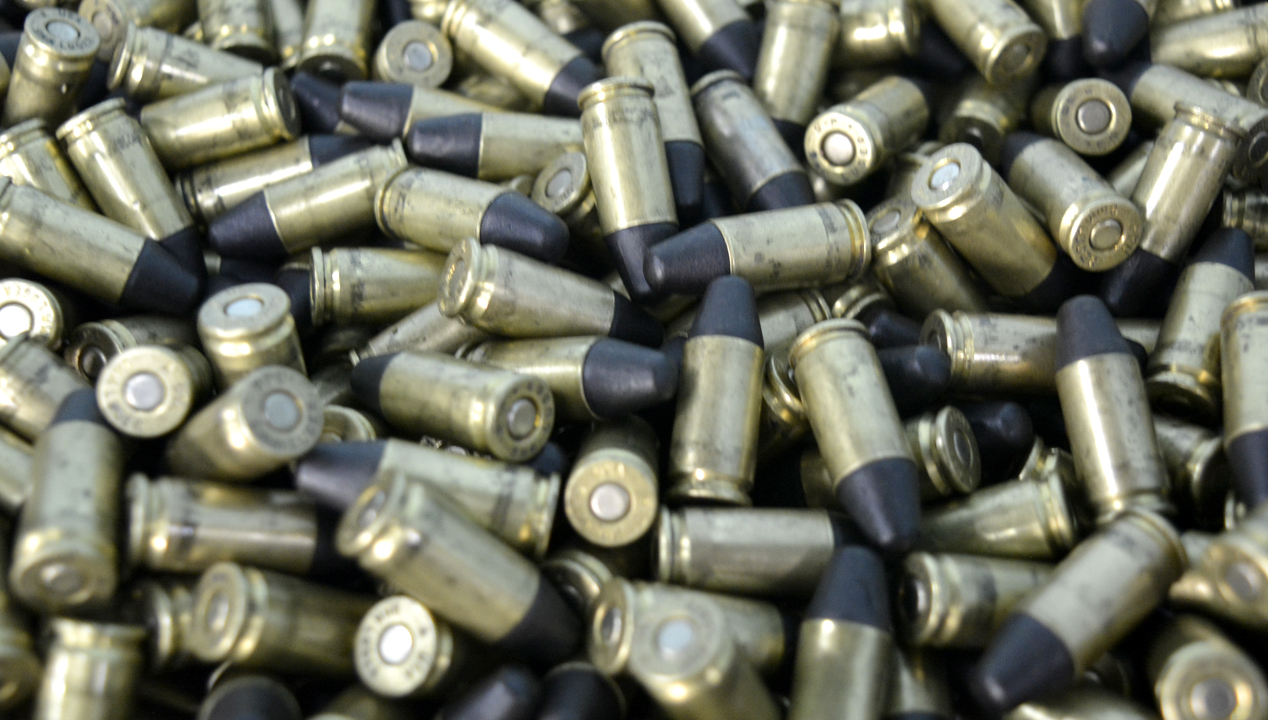
The truth is, if you want a bullet to penetrate armor, you make it out of very hard, dense materials (like tungsten or depleted uranium), give it a sharp, robust shape, and send it really, really fast. You don’t just paint a soft lead bullet with non-stick spray and hope for the best. That would be a recipe for a very messy, ineffective splat.
The End of the Myth?
So, next time you hear a character in a movie dramatically declare that they’re using "Teflon-coated armor-piercing rounds," you can chuckle to yourself. The real armor-piercing part comes from the bullet's strong, hard core, not the slippery surface. The Teflon was just a fancy way to keep the gun barrel happy and perhaps manage ricochets a bit better.
It’s a classic case of misinformation getting amplified, isn't it? A little bit of truth (Teflon was on bullets!) combined with a lot of sensationalism (it makes them super deadly!). Hopefully, now you're armed with the real facts, and your coffee break just got a little more insightful. Cheers to busting myths!