Ever heard someone say they want to go off the grid? It sounds a bit mysterious, doesn't it? Maybe you picture a lone cabin deep in the woods, or a hermit crafting pottery by candlelight.
While that can be part of the picture, "going off the grid" is often far more surprising and delightful than you might imagine. It’s about a journey towards incredible self-sufficiency and a renewed connection with the world around us.
What Does "Off The Grid" Really Mean?
At its heart, going off the grid simply means disconnecting from public utility services. This includes things like the main power lines, municipal water, and even sewer systems.
Think of it as choosing to be your own personal utility company. You become responsible for generating your own power, finding your own water, and managing your own waste.
It’s a powerful step towards independence, often driven by a desire for a simpler life, greater sustainability, or just a longing for quiet freedom.
Powering Your Own World
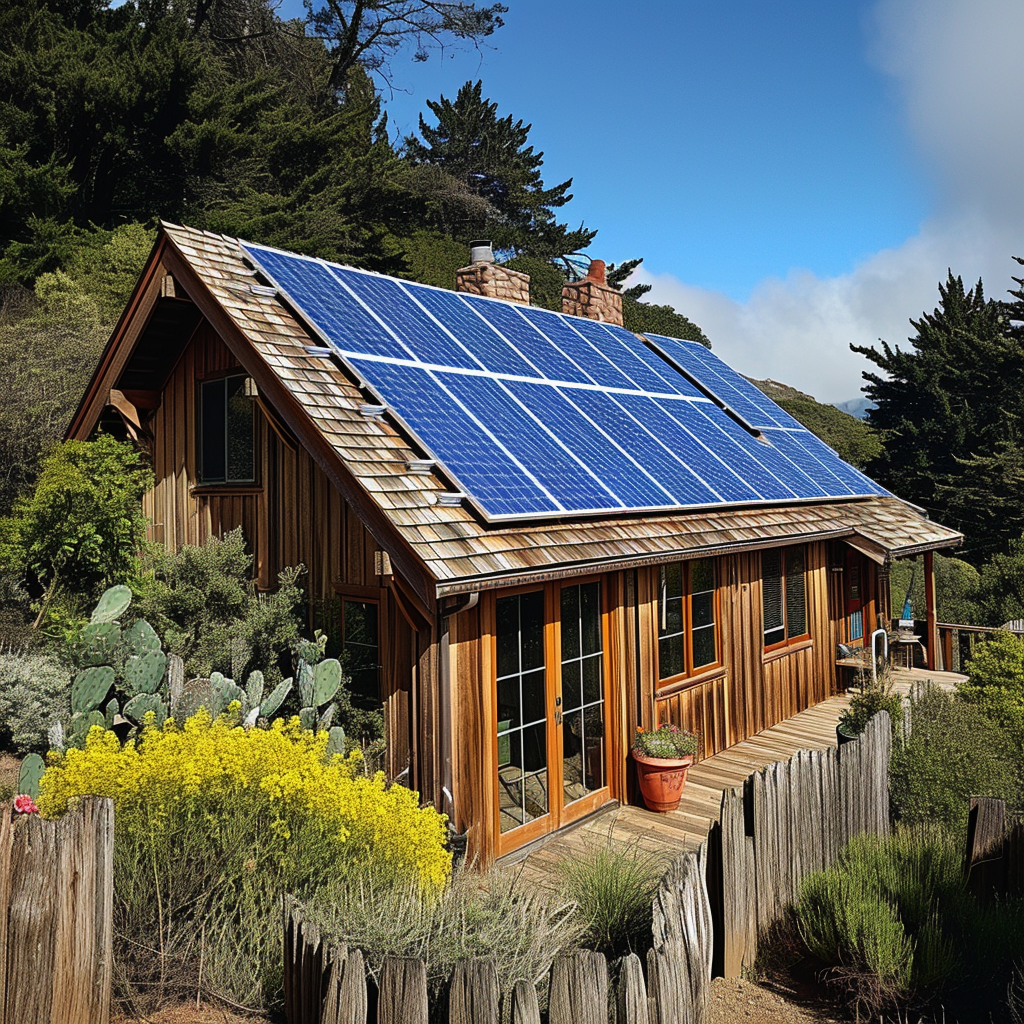
One of the biggest pieces of the off-grid puzzle is electricity. Most people immediately think of solar panels when they hear this, and they're often right!
Imagine waking up, knowing the sun warming your home is also charging your lights and appliances. It’s a wonderful feeling of direct connection to a powerful, natural resource.
Many off-gridders also use small wind turbines, especially in breezy areas. Some even harness the gentle flow of a nearby stream with mini-hydro systems, turning nature's movements into clean energy.
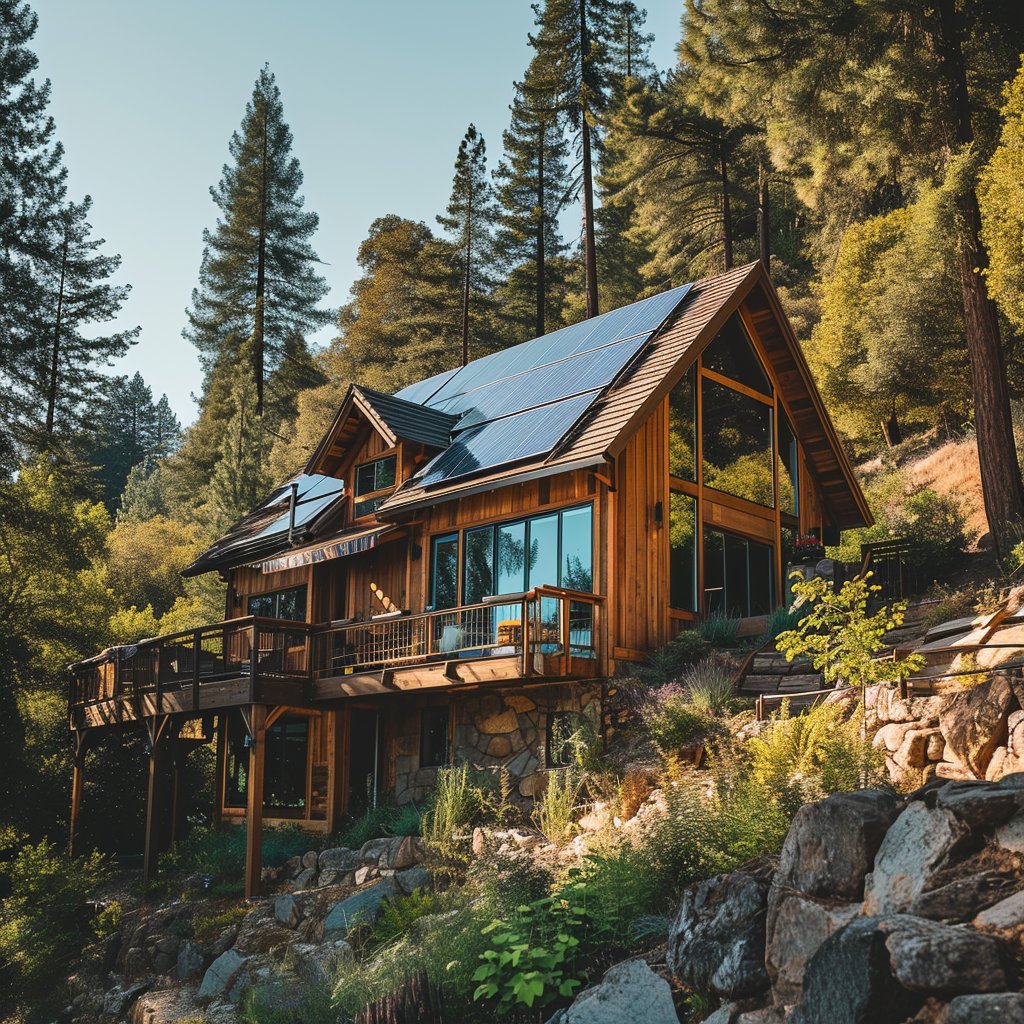
"The first time your lights came on purely from the sun, it feels like magic, like a personal sunrise indoors."
This isn't about living in the dark ages. Modern off-grid homes can have all the comforts we're used to, from refrigerators to Wi-Fi, powered entirely by their own systems.
The Lifeblood: Water, Your Way
Next up is water, the absolute essential. Instead of a city water pipe, off-gridders often rely on rainwater harvesting. This involves collecting rain from roofs and storing it in tanks.
There’s something incredibly satisfying about watching a storm roll in, knowing every drop is filling your supply. It makes you appreciate every glass, every shower, in a new way.
Another common source is a private well, drilled deep into the earth. Pumping your own water from deep underground gives a profound sense of tapping into the very veins of the planet.
Some homes also incorporate greywater systems, where water from sinks and showers is filtered and reused for irrigation. It's a clever way to stretch precious resources.
The Honest Truth About Waste
Alright, let's talk about waste – yes, even the bathroom kind! This is where some of the most surprising and often humorous aspects of off-grid living come in.
Many off-grid homes use composting toilets. Forget flushing; these systems turn human waste into rich compost, often used for non-food plants.
It sounds daunting, but it’s an amazingly efficient and eco-friendly process. There’s a certain proud satisfaction in knowing you’re closing the loop and returning nutrients to the earth.
"My kids initially thought the composting toilet was the funniest thing ever, but now they understand it’s just another part of our respectful interaction with nature."
Other waste, like trash, is handled through diligent recycling, composting organic scraps, and minimizing consumption. Every item has a journey and an impact.
Beyond the Cabin in the Woods
When you hear "off the grid," you might immediately picture a remote, isolated dwelling. But that's not always the case!
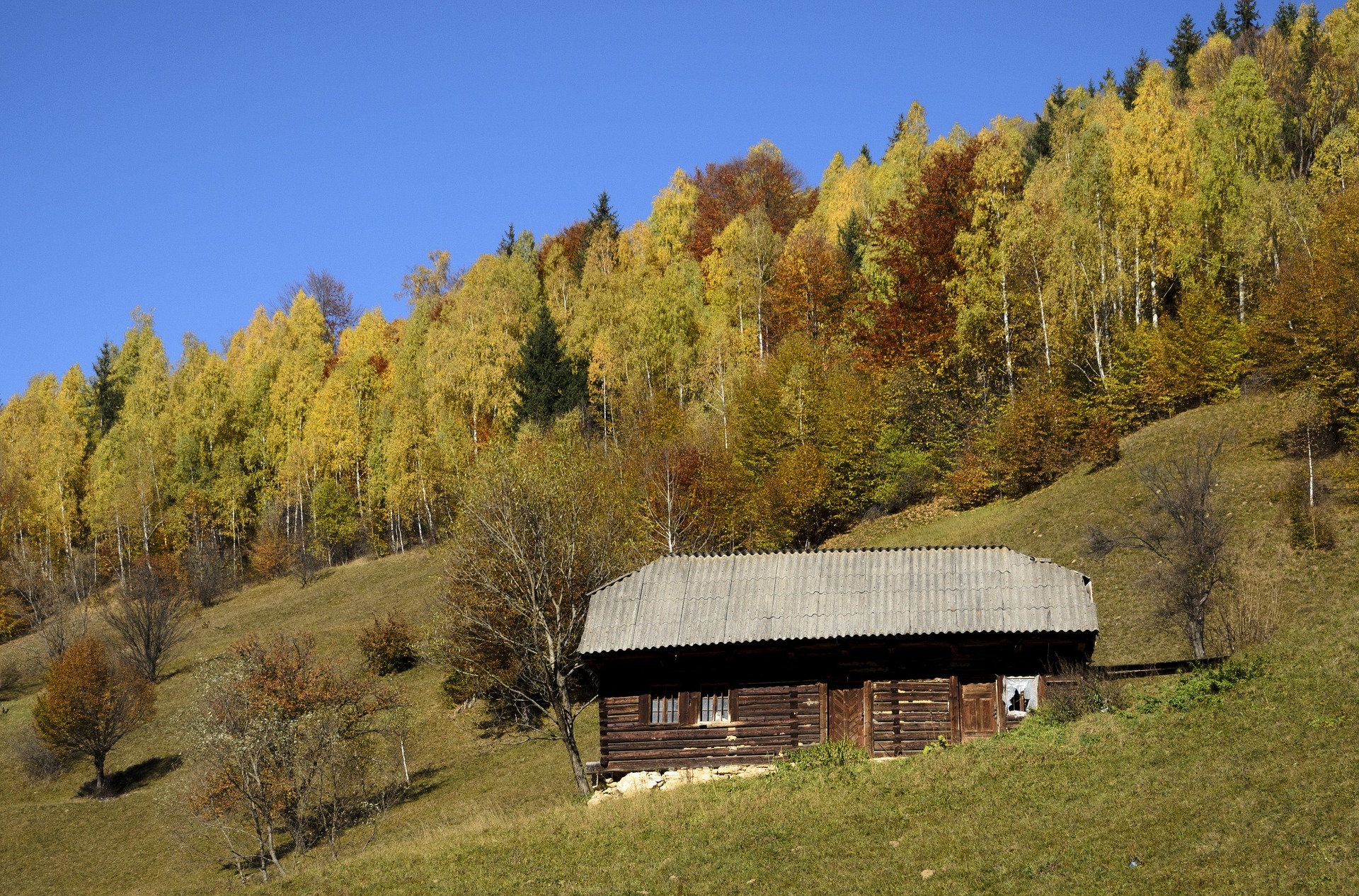
Some people create off-grid systems in suburban homes, carefully hidden behind their existing structure. Others live in small, vibrant off-grid communities, sharing resources and knowledge.
The beauty of off-grid living is its flexibility. It's not a one-size-fits-all solution, but a spectrum of choices.
It's Not About Ditching All Technology
A common misconception is that going off the grid means throwing out all modern conveniences. This couldn't be further from the truth!
Many off-gridders embrace technology that enhances their self-sufficiency. Smart solar inverters, efficient battery banks, and high-tech water filters are all part of the modern off-grid toolkit.
It's about choosing technology that works with nature, not against it. It’s a thoughtful approach to innovation, aiming for resilience rather than dependency.
The Heartwarming Reasons Why
So why do people choose this path? The reasons are as varied and personal as the individuals themselves. For many, it's about connecting with nature on a deeper level.
Imagine growing your own food, harvesting fresh vegetables just steps from your door. There’s a profound joy and sense of accomplishment in cultivating your own sustenance.
For others, it’s about reducing their environmental footprint, living more sustainably, and doing their part for the planet. Every decision is weighed with care.
And for many, it’s simply about the profound sense of freedom. The freedom from utility bills, the freedom to live by your own rules, and the freedom to create a life perfectly tailored to your values.
"There’s a quiet pride in knowing you’re living a life of intention, where every resource used is understood and respected."
The challenges are real, from unexpected equipment issues to adapting to weather patterns. But the rewards, say those who live it, far outweigh the difficulties.
From the hum of a solar inverter powering a quiet evening to the taste of crisp rainwater, going off the grid is a journey of discovery. It’s about ingenuity, resilience, and finding profound joy in being truly connected – not to wires and pipes, but to the earth itself.