
Ever felt that quiet tug of curiosity, watching someone cast a line into a shimmering lake or the boundless ocean? There’s a certain magic to fishing, isn't there? It’s more than just catching dinner; it’s an invitation to slow down, breathe deep, and reconnect with nature. If you’ve been dreaming of that peaceful escape but feel overwhelmed by where to begin, take a deep breath. Starting to fish is much simpler than you might think. You don't need a yacht or a secret stash of gold. Let's talk about what you really need to dip your toes (and your line!) into this wonderfully zen hobby.
The Absolute Bare Essentials: Your Starter Pack
Think minimalist. Think "grab-and-go." For your very first outing, you need just a few key items. It's about getting on the water, not equipping a deep-sea expedition.
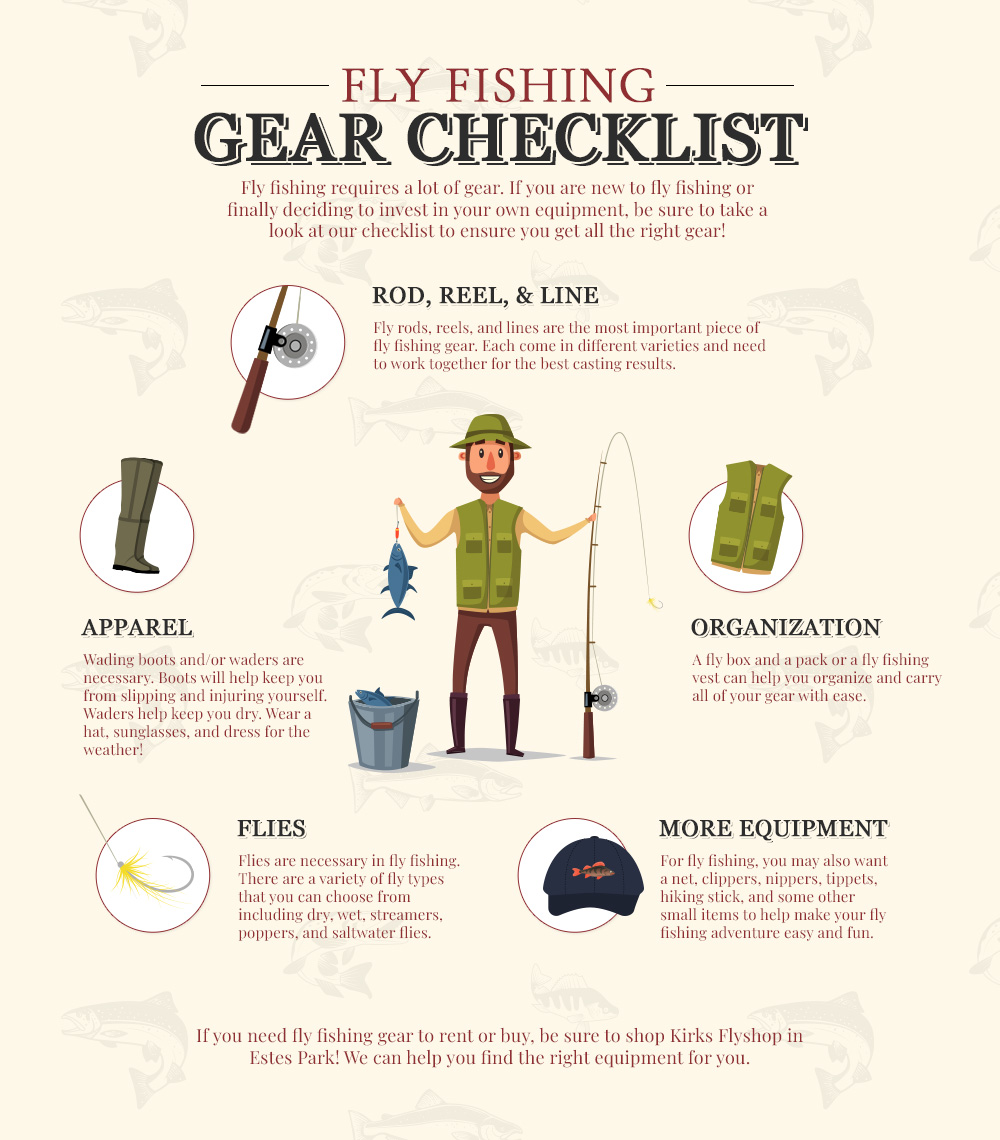
1. Rod & Reel Combo: Your First Fishing Buddy
Forget the fancy, expensive gear for now. Most sporting goods stores (and even big box retailers) offer fantastic beginner rod and reel combos. These typically come pre-spooled with line and are designed to be user-friendly. Look for a light to medium spinning combo, around 6-7 feet long. They’re versatile for most freshwater and inshore saltwater scenarios and incredibly easy to cast. Think of it as the Honda Civic of fishing gear – reliable, easy to handle, and gets the job done.
2. Fishing Line: The Invisible Connection
Good news! Your combo likely comes with line already on the reel. For beginners, monofilament line (often called "mono") is perfect. It's affordable, stretchy (which helps absorb sudden tugs), and relatively easy to manage. Don't fuss over pound test yet; whatever comes on your combo is probably fine for most small-to-medium fish you'll encounter locally.
3. Hooks: The Business End
This is where your bait or lure attaches. Start with a small assortment of basic J-hooks or circle hooks in various sizes (e.g., #4, #2, #1, 1/0). Circle hooks are often recommended for beginners and for catch-and-release fishing because they tend to hook the fish in the corner of the mouth, causing less harm. Keep it simple – you don't need a tackle shop's entire inventory.
4. Weights/Sinkers: Sending Your Bait Down
To get your hook and bait to where the fish are, you'll need a little help from gravity. A small pack of split shot weights or a few egg sinkers will do the trick. They simply crimp onto your line a bit above your hook. Start with just enough weight to cast comfortably and keep your bait from floating away too quickly.
5. Bobbers/Floats: The Visual Cue
These are the little red and white or fluorescent balls that float on the surface. They’re not strictly necessary but are incredibly fun for beginners, especially when fishing for panfish or other smaller species. A bobber tells you a fish is nibbling because it dips, dances, or disappears under the water. It’s the visual "alert" system that makes your heart skip a beat!

6. Bait: The Irresistible Offer
You need something to entice those fish! For freshwater, you absolutely cannot go wrong with worms. They're universally loved, easy to find (dig 'em up, buy 'em at bait shops), and very effective. For saltwater, shrimp or small pieces of cut fish often work wonders. If you're going the artificial route, a simple pack of soft plastic grubs or a small spinner lure is a great start. Remember, the early bird gets the worm, but the smart angler knows which worm to use!
Beyond the Basics: Nice-to-Haves for a Better Experience
Once you’ve got the core gear, a few additions can make your outing much more comfortable and successful.
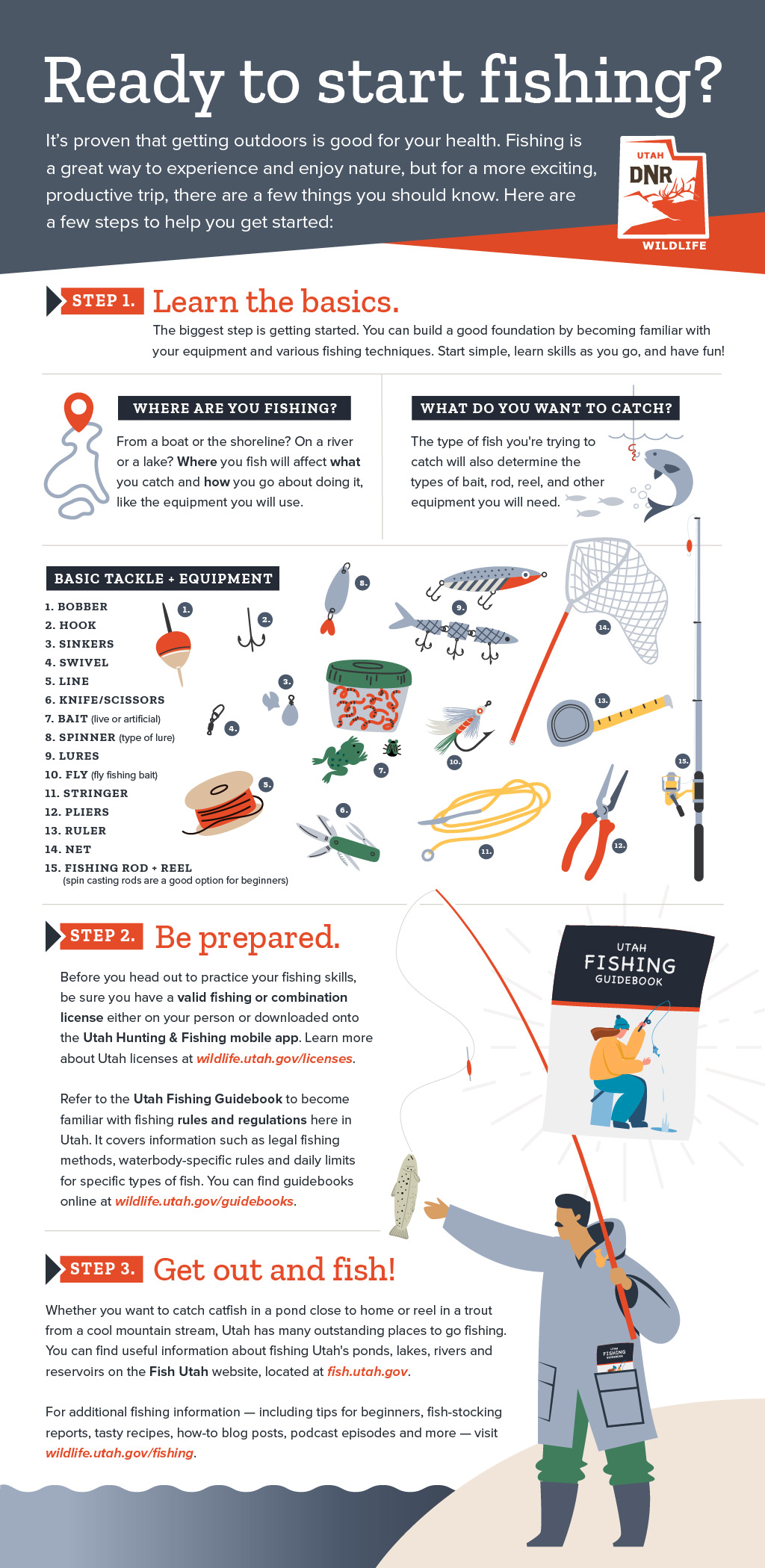
- Pliers or Forceps: Crucial! For safely removing hooks from fish (and occasionally, from yourself). Long-nosed pliers are a lifesaver.
- Small Tackle Box or Bag: To keep your hooks, weights, and other bits organized. A small, inexpensive one is perfect.
- Net: Helps you safely land fish, especially if they're a bit bigger or feistier than you expected.
- Sun Protection: A hat, sunglasses, and sunscreen are non-negotiables for any outdoor activity, especially on the water.
- A Comfortable Chair and Cooler: Because fishing is also about relaxing, enjoying snacks, and staying hydrated!
Don't Forget the Paperwork: Permits & Regulations
Before you cast your first line, make sure you understand the rules. Most places require a fishing license or permit. These are usually inexpensive, easy to obtain online or from bait shops, and help fund conservation efforts. Also, quickly check local regulations on catch limits and legal sizes for the fish you might encounter. It's about being a responsible steward of our waterways!
The True Secret Weapon: Patience & Presence
Ultimately, the most important thing you need to start fishing isn't gear; it's an open mind and a willingness to simply be there. Fishing teaches patience, observation, and the joy of anticipation. It's a fantastic way to unplug from the digital world and plug into the rhythm of nature. From ancient cultures using bone hooks to modern anglers with sonar, the appeal remains the same: the quiet thrill of the unknown beneath the surface.
So, gather your simple gear, find a local pond or pier, and cast your worries away. You might catch a fish, you might not. But what you will catch is a moment of peace, a breath of fresh air, and perhaps a brand new passion. And isn't that, after all, exactly what we need a little more of in our busy lives?
