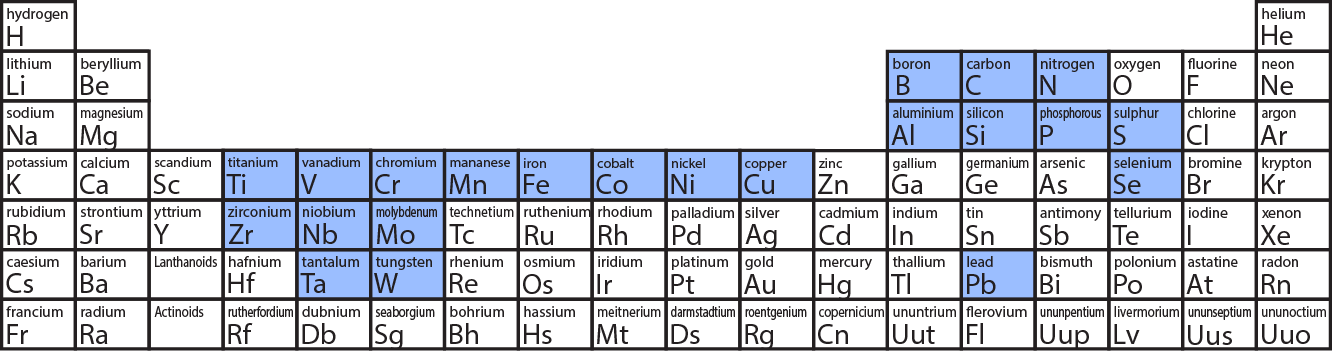
Ever wondered what makes steel, well, steel? It's not just some magical metal that springs fully formed from the earth! Oh no, steel is like the ultimate superhero team-up, a meticulously crafted blend of everyday elements, each playing a crucial role in giving it incredible powers. Let's pull back the curtain and meet the stars of this show!
The Foundation: The Big Boss
Iron – The Gentle Giant with a Strong Heart
At the very core of every piece of steel, we have our main character, our sturdy foundation: Iron. Think of Iron as the big, friendly giant of the metal world. It’s strong, it’s reliable, and it makes up the vast majority of steel. But here’s the thing about our gentle giant: all by itself, pure iron can be a bit... soft.
It’s like a super strong cuddly bear – powerful, but maybe a little too easy to squish!It's the absolute backbone, the rock-solid base that everything else builds upon, patiently waiting for its friends to join the party and unleash its true potential.
The Game Changer: The Secret Sauce
Carbon – The Kick-in-the-Pants Power-Upper!
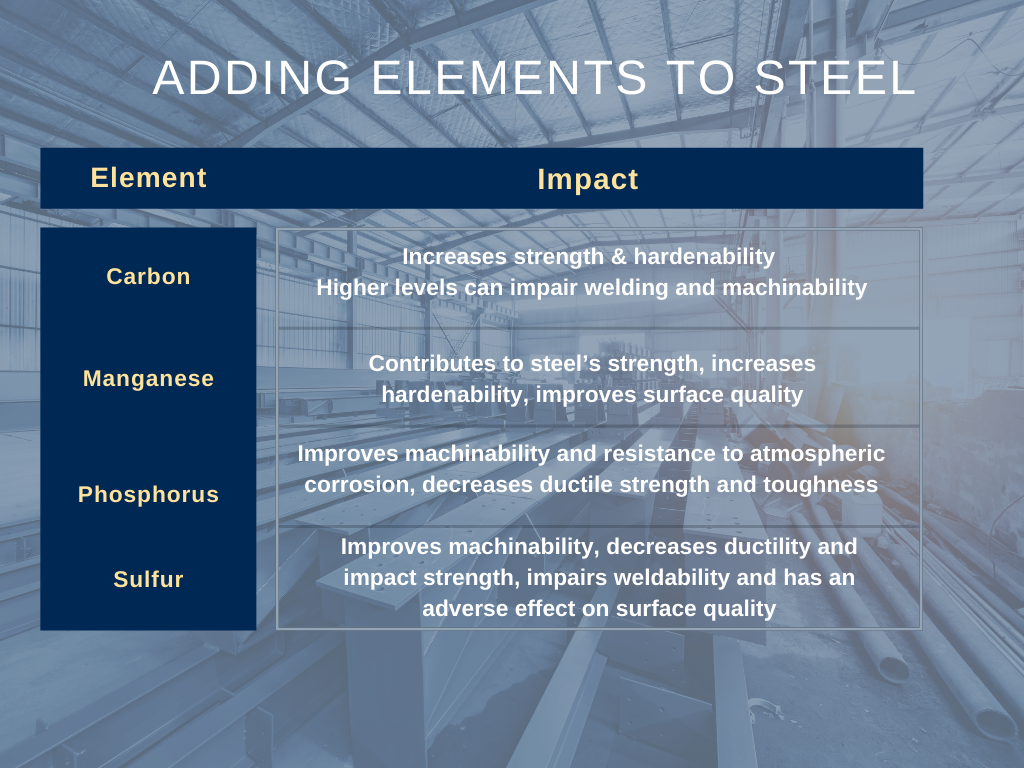
Now, this is where things get exciting! Introduce Carbon, the tiny but mighty element that turns our gentle giant, Iron, into a lean, mean, steel machine! Just a pinch, often less than 2% of the total mix, is enough to transform iron from "meh" to "marvelous." Carbon is the ultimate toughener; it wedges itself into the iron's structure, making it incredibly hard and strong.
It's like giving our strong cuddly bear a sudden, intense gym workout, turning it into a sculpted warrior!Too little carbon, and your steel is soft; too much, and it becomes brittle like glass. It's a delicate balance, a true masterstroke of metallic alchemy!
The Superheroes: The Alloying All-Stars
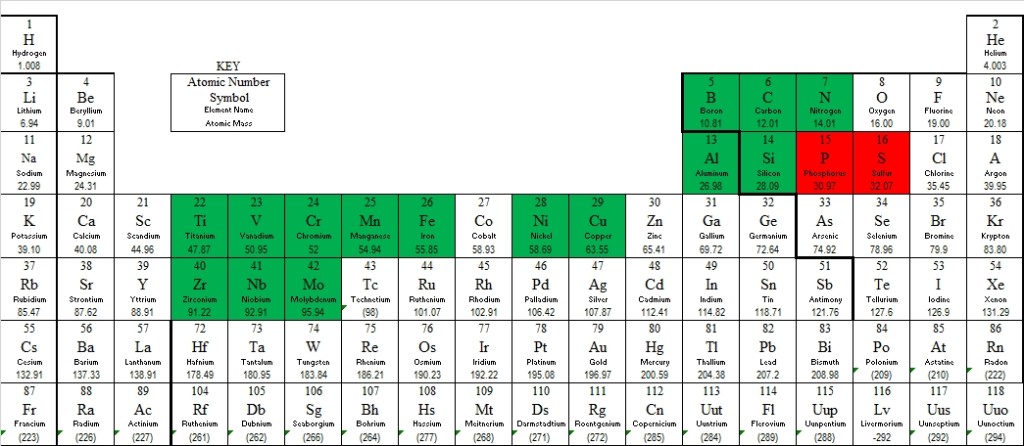
While Iron and Carbon are the dynamic duo, steel often invites a whole host of other incredible elements to join the party. These are the alloying elements, and they each bring their own unique superpowers to the mix, tailoring steel for specific jobs. They're like the specialized gadgets that make a regular hero truly extraordinary!
Chromium – The Rust-Proofing Knight
Meet Chromium, the shining armor of the steel world! This element is the secret behind stainless steel, giving it that famous sparkle and, more importantly, its incredible resistance to rust and corrosion. Chromium forms a super-thin, invisible layer on the steel's surface, acting like a tiny, unbreakable shield against moisture and air.
It’s like giving your steel an invisible, super-slick raincoat that water just bounces right off!Without Chromium, your kitchen sink or fancy cutlery would be a rusty mess in no time. It's the ultimate protector, keeping things shiny and strong.
Nickel – The Tough Guy with a Flexible Spirit
And then there’s Nickel, the ultimate flexibility guru and toughening agent. Nickel makes steel extra strong and resilient, especially at really cold temperatures. It's like the yoga instructor of steel, allowing it to bend and stretch without snapping, even when faced with extreme stress. Nickel also teams up with Chromium to boost corrosion resistance even further, making steel virtually invincible in harsh environments.
This element ensures your steel can take a punch and still stand tall, literally shrugging off impacts and chills!It’s essential for steels that need to perform under pressure or in freezing conditions, like in spacecraft or cryogenic equipment.
Manganese – The Bouncer and Strength Trainer
Say hello to Manganese, the unsung hero that acts as both a bouncer and a strength trainer for steel. First, it cleans up the molten steel by kicking out unwanted oxygen and sulfur, making the final product much purer and tougher. Then, it works its magic by increasing steel's hardness and strength, especially its resistance to impact.
Manganese ensures that steel can take a serious beating without cracking, making it perfect for things like railway tracks and heavy machinery.It's the element that gives steel its muscle and its ability to absorb shock without complaint, a true behind-the-scenes powerhouse.
Molybdenum – The Heat-Seeking, Deep-Hardening Wizard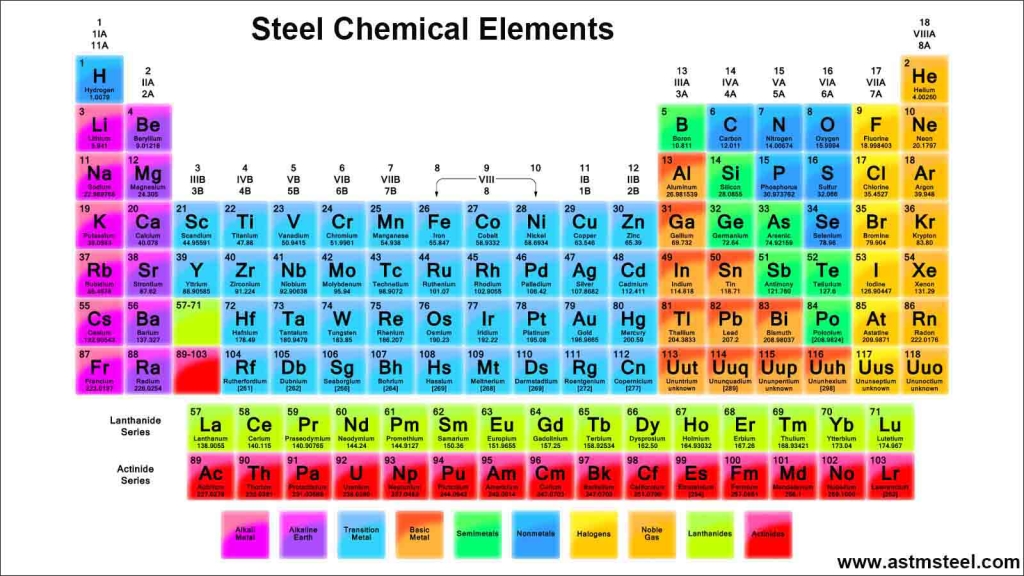
21 Chemical Elements and Effects on Steel Mechanical Properties
Next up is Molybdenum, the element that loves high temperatures and deep hardening. This guy is a true wizard when it comes to making steel super strong and stable even when things get scorching hot. It helps steel resist softening at elevated temperatures, which is crucial for tools that generate a lot of heat during use. Molybdenum also improves steel's hardenability, meaning the hardness can penetrate deeper into the material, not just stay on the surface.
It's like giving steel a built-in air conditioner and an iron-clad core, making it unstoppable in fiery situations!Think of drill bits, jet engine components, or high-performance gears – Molybdenum is probably working its magic there.
Vanadium – The Grain Refiner and Toughness Enhancer
Here comes Vanadium, the ultimate fine-tuner and toughness enhancer. This element might be added in small amounts, but its impact is huge. Vanadium helps create a very fine grain structure within the steel, which dramatically increases its strength and toughness. Finer grains mean fewer weak points for cracks to start, making the steel more resilient and durable.
It’s like having a master chef carefully arrange every tiny molecule, making the overall dish incredibly robust and delicious!Tools that need exceptional hardness and wear resistance, like cutting tools and springs, often owe a debt of gratitude to Vanadium.

Silicon – The Deoxidizer and Quiet Strength Builder
Don't underestimate Silicon! While it might not get as much flashy attention as Chromium or Nickel, Silicon is a vital player, especially during the steel-making process. It acts as a powerful "deoxidizer," meaning it mops up unwanted oxygen in the molten steel, preventing nasty bubbles and defects. Beyond cleanliness, Silicon also adds a good dose of strength and elasticity to the finished steel.
Think of it as the diligent cleaner and quiet strength builder, making sure everything is pristine and firm from the inside out!It’s often found in springs and electrical steels, where its humble contributions make a world of difference.
Phosphorus & Sulfur – The Party Poopers (in small doses!)
Every party has a few guests you want to keep to a minimum, and in steel, those are generally Phosphorus and Sulfur. While they're naturally present in tiny amounts, too much of either can make steel brittle or prone to cracking. Metallurgists work tirelessly to keep their levels super low, ensuring the other elements can do their job without interference.
These are the ingredients you want to keep on a very short leash, just a tiny whisper, not a shouting match!They are a reminder that even the tiniest elements can have a big impact, for better or for worse!
The Magic of the Mix
So there you have it! Steel isn't just one thing; it's a magnificent symphony of elements, each contributing its unique melody to create a material that shapes our world. From towering skyscrapers to tiny surgical instruments, the right blend of these elemental superheroes gives steel its incredible versatility and strength. The next time you see something made of steel, remember the incredible teamwork happening at a microscopic level. It's a testament to how combining simple parts in just the right way can create something truly extraordinary and enduring!
Steel is truly a masterpiece of chemistry, constantly evolving and impressing us with its endless possibilities!