Hey there, friend! Grab a coffee, settle in. We’re about to unravel a little mystery that’s at the very heart of creating something strong and lasting out of metal. You know welding, right? Sparks flying, that intense light, the smell of molten metal – it’s pretty cool stuff. But ever wonder about the magic wand that makes it all happen? That, my friend, is where the humble but mighty electrode steps onto the stage.
No, no, not the kind of electrode that hooks up to your brain for science experiments or helps a heart get back in rhythm! We're talking about the star of the show in joining pieces of metal together. Think of it as the pen or pencil of the welder. It’s the tool that actually writes the connection, drawing that perfect (hopefully!) seam between two bits of steel or aluminum.
So, What Is This Thing, Really?
At its core, an electrode is a piece of conductive material that does a couple of super important jobs. First, it carries the electric current from your welding machine to the workpiece. That current generates the intense heat needed to melt the metal. We're talking seriously hot stuff here, like a tiny sun concentrated at the tip!
Second, and this is where it gets really interesting, most electrodes also act as a filler metal. Imagine you're trying to join two bricks. You don't just zap them with heat until they stick; you need mortar to fill the gap and create a strong bond. The electrode often melts itself, becoming that very mortar, filling the joint and literally fusing the two pieces of metal together. It's an unsung hero, melting itself away for the greater good!
Why Are They Such a Big Deal?
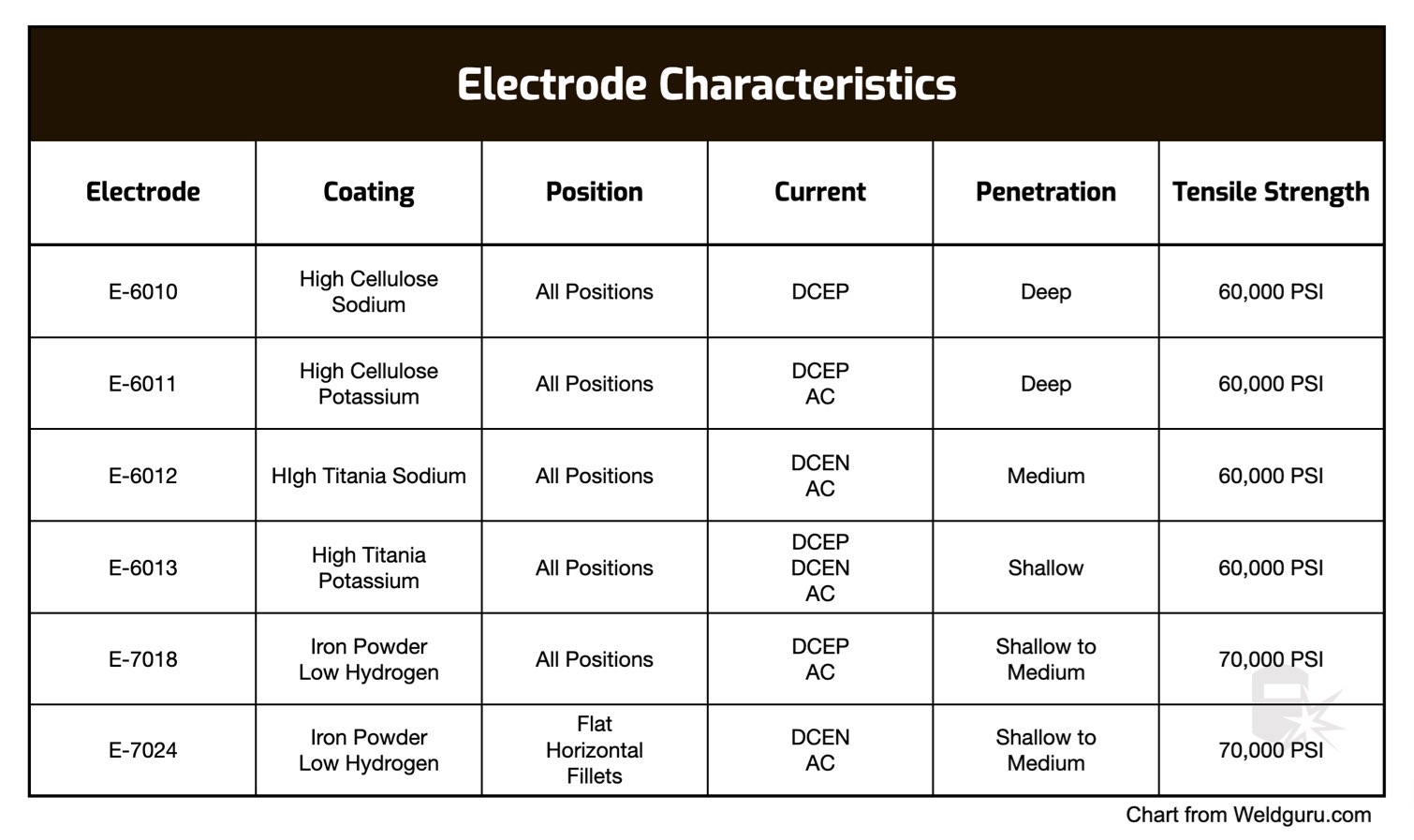
Because the electrode is basically the recipe for your weld. Its composition, its size, how it’s coated (if it is) – all of these things dictate the strength, durability, and even the appearance of your finished weld. It’s not a one-size-fits-all situation, oh no. Different metals, different welding processes, different positions (like welding overhead, yikes!) all demand a specific kind of electrode. Choosing the wrong one is like trying to hammer a nail with a screwdriver – it just won’t work, or at least not very well!
If welding was a band, the electrode would totally be the lead singer. It’s where all the action is, directing the energy and laying down the track. Pretty important, right?
The Main Players: A Quick Tour
There are a few different types, depending on how you're welding. Let’s peek at the big three:
1. Stick Welding Electrodes (The OG)
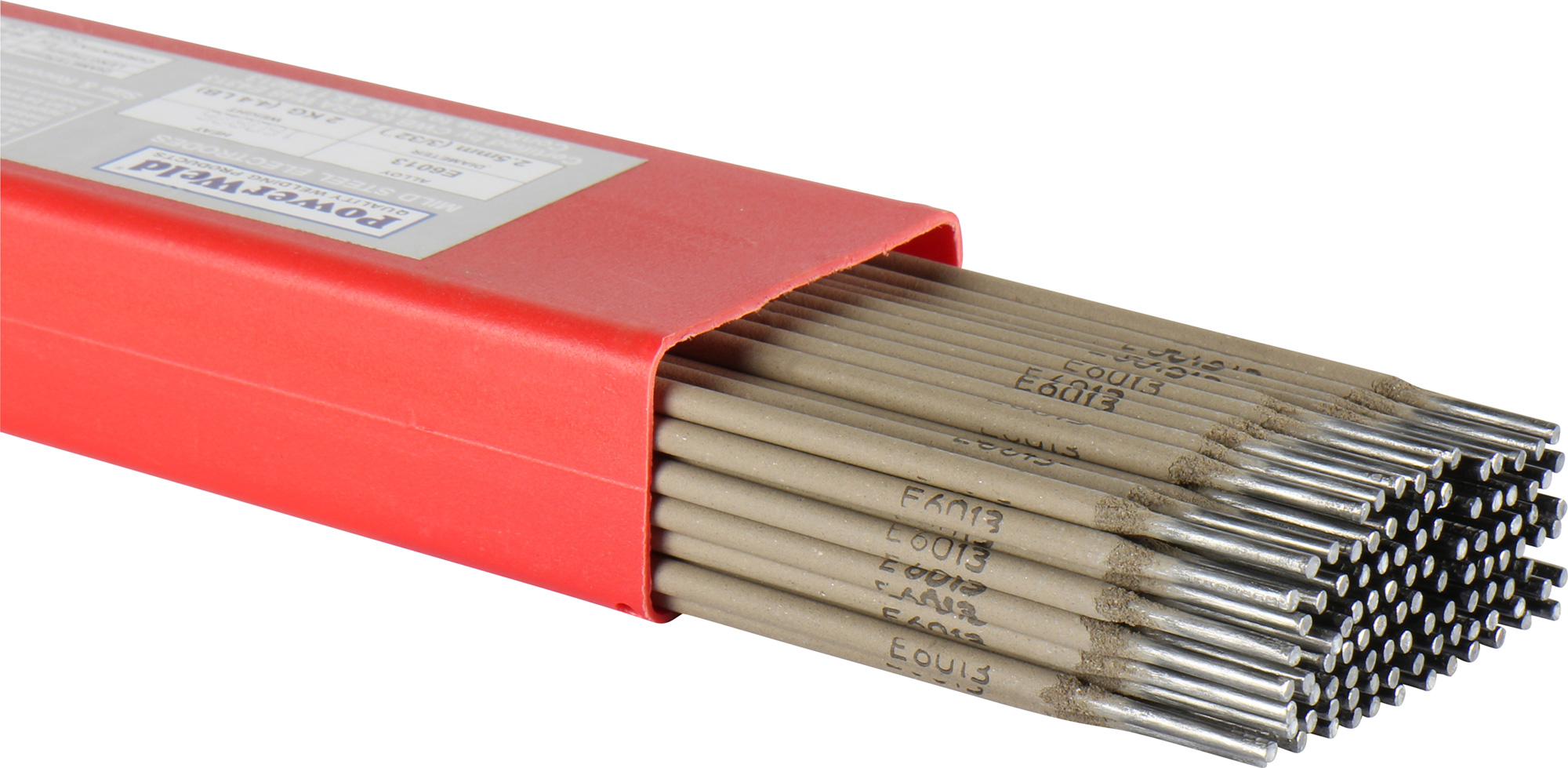
These are probably what you picture: a long, thin rod. They’re super common for what’s called Shielded Metal Arc Welding (SMAW), or "stick welding." What makes these special is their outer layer, called the flux coating. This isn't just for show!
- It shields the molten weld pool from contamination by atmospheric gases (oxygen and nitrogen are big no-nos for a strong weld). Think of it as a magic protective bubble.
- It helps stabilize the arc, making it easier to control.
- It can also add special alloying elements to the weld, making it stronger or more corrosion-resistant. Seriously, it’s like a secret agent, doing multiple jobs at once!
As the flux burns, it creates a slag that floats on top of the weld, further protecting it as it cools. You chip this slag off later, revealing the beautiful weld underneath. It’s kind of satisfying, actually.
2. MIG Welding Wire (The Continuous Stream)
Next up, we have the wire used in Gas Metal Arc Welding (GMAW), better known as "MIG welding." Unlike stick electrodes, this isn't a single rod. It’s a spool of continuous wire that feeds automatically through the welding gun. Imagine a really, really long pencil lead that just keeps coming!

MIG wire usually doesn't have a thick flux coating. Instead, it relies on an external shielding gas (like argon or a mix of argon and CO2) that flows out of the welding gun to protect the weld pool. So, the electrode is still the filler metal and current carrier, but it gets its protection from a different source. It's like having a dedicated bodyguard for your molten metal.
3. TIG Welding Electrodes (The Non-Melter)
And finally, for the really precise, beautiful welds, there's Gas Tungsten Arc Welding (GTAW), or "TIG welding." This is a bit different. The electrode here is typically made of tungsten, a super-hard, high-melting-point metal. The key? It’s non-consumable.
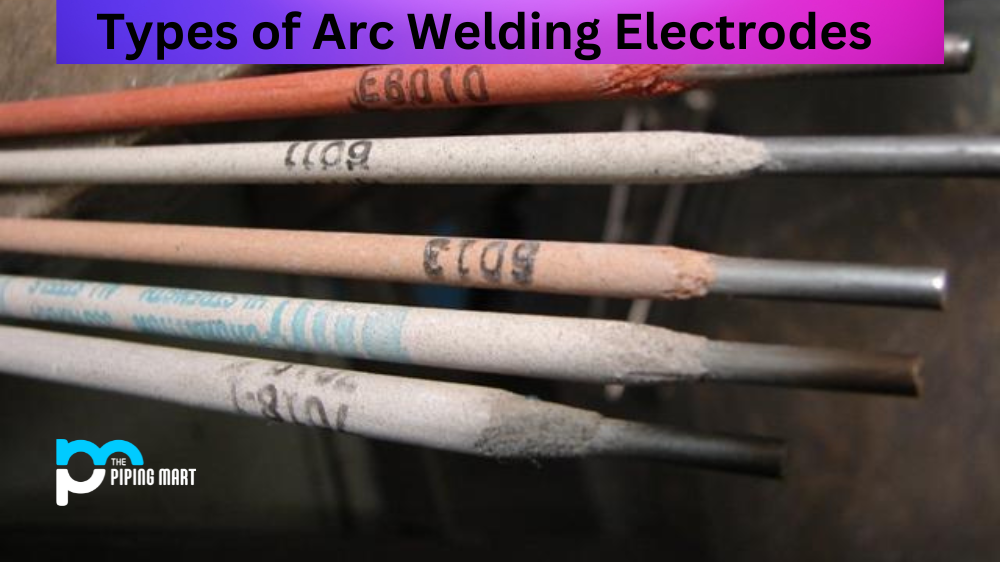
That means the tungsten electrode carries the current and creates the arc, but it doesn't melt and become part of the weld. Instead, you use a separate filler rod, which you manually feed into the weld puddle. Think of it like drawing with a very fine pen (the tungsten electrode) and then carefully coloring it in with a separate crayon (the filler rod). It takes more skill, but the results can be stunning!
Bottom Line: They're Kind of a Big Deal
So, the next time you see a welder at work, or admire a sturdy metal structure, spare a thought for the humble electrode. Whether it’s a stick, a spool of wire, or a bit of tungsten, it’s the crucial link, the spark of life (literally!) that brings metal together. Without it, well, we'd have a lot less sturdy stuff around, and a lot more head-scratching from frustrated fabricators!
Pretty cool for something so seemingly simple, right? Now go forth and impress your friends with your newfound electrode enlightenment!