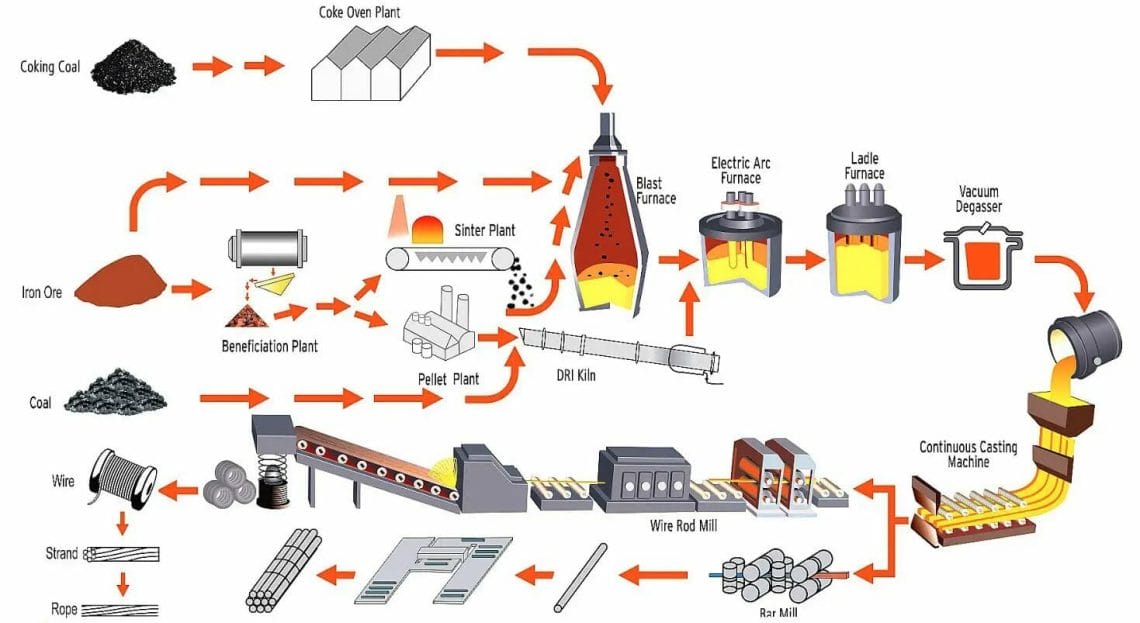
Ever wondered about the secret life of your shimmering kitchen sink or that trusty, never-rusting fork? We're talking about stainless steel, the superstar of metals! It's not just some fancy sprinkle of dust; it’s a brilliant creation that goes from humble beginnings to a glorious, un-rustable finish. Let's pull back the curtain and peek into the sizzling, fascinating world of how this magic metal is made! Get ready for some fiery fun!
The Recipe: Gathering the Super-Ingredients
Imagine you're baking the world's most indestructible cake. You need some very special ingredients! For stainless steel, the main star is good old iron ore. But iron, by itself, is a bit of a wallflower – prone to rust and a little shy. To give it that dazzling, anti-corrosion superpower, we add its best friend: chromium. This isn't just any chromium; it's the superhero ingredient, usually making up at least 10.5% of the mix.
Depending on the specific type of stainless steel (and there are many, like famous rock bands!), other supporting characters join the party. Think of nickel, which makes it super strong and even more resistant to the elements, or molybdenum, giving it extra toughness against harsh chemicals. A dash of carbon, a sprinkle of manganese, and a pinch of other elements complete this incredible metallic recipe. It’s like a cosmic chef whipping up a galaxy-defying dish!
The Melting Pot: Into the Fiery Furnace!
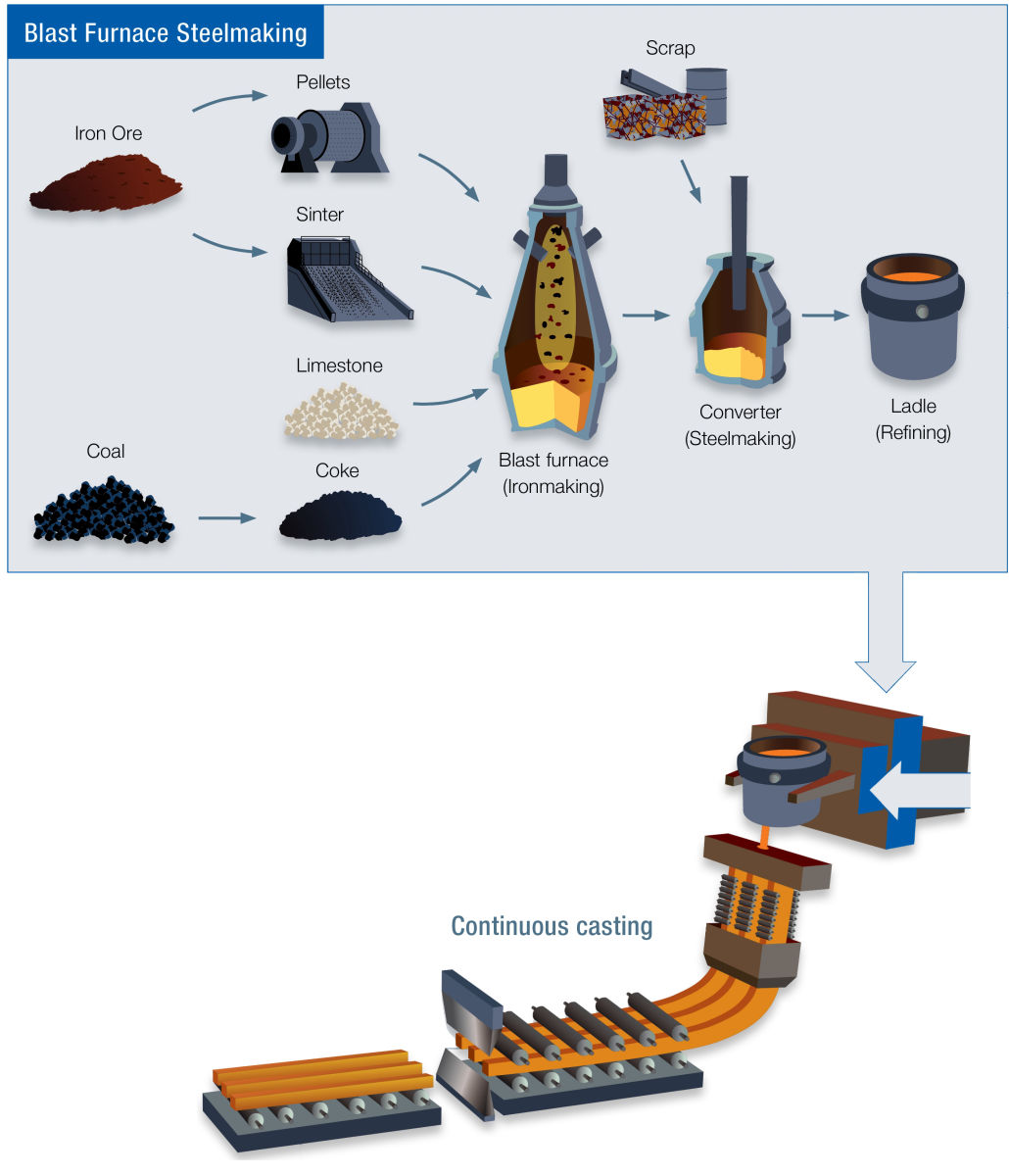
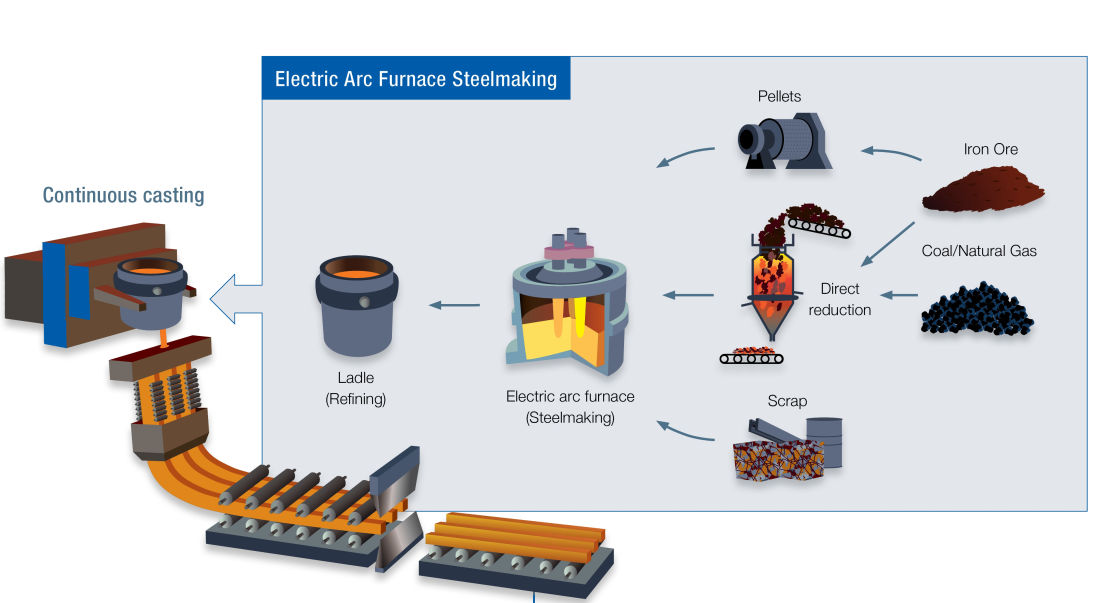
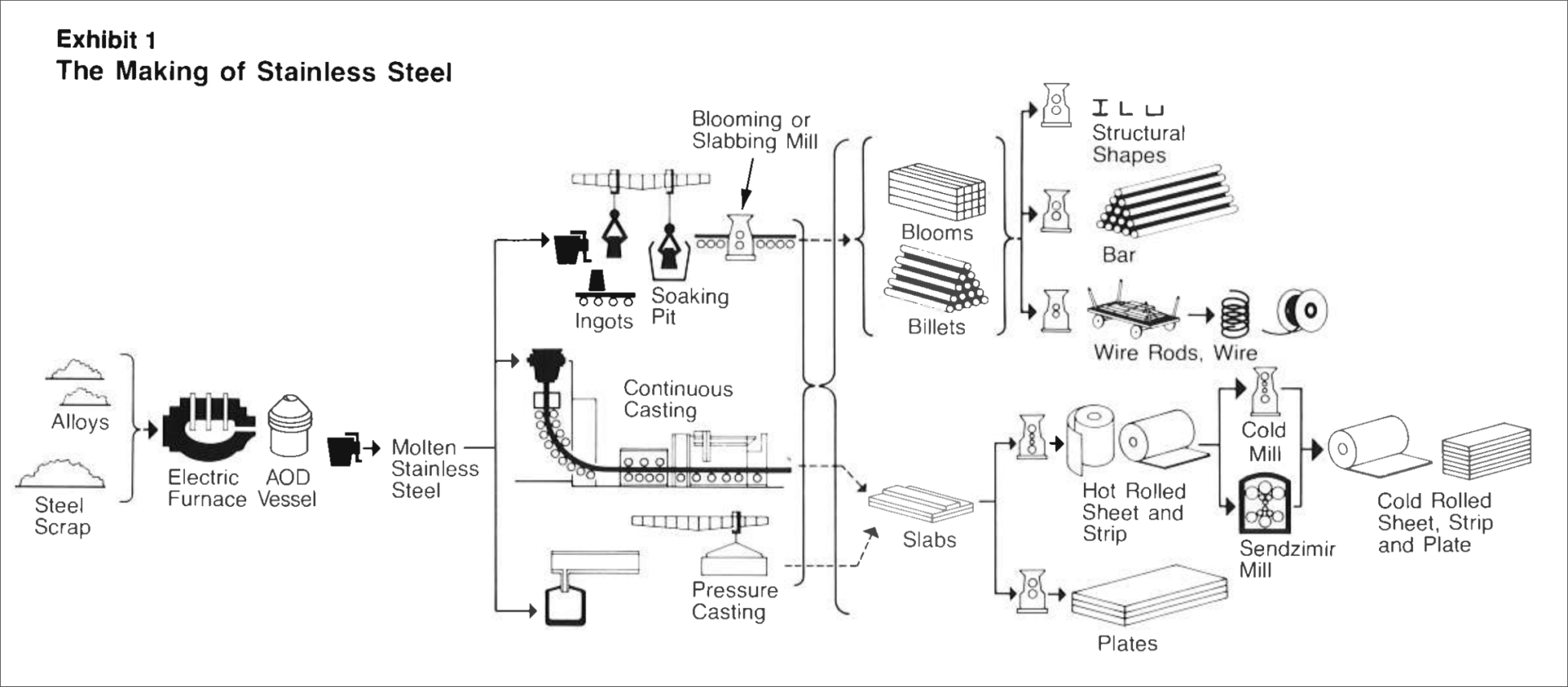
Once all our fabulous ingredients are gathered, it’s time for a scorching hot party! They all take a dizzying dive into an incredibly powerful, electric arc furnace (EAF). We're talking temperatures that make the sun look chilly – sometimes over 3,000 degrees Fahrenheit!
"This isn't your grandma's oven; it's a giant, metal-melting volcano where raw materials transform into a bubbling, molten river of awesome!"
The EAF uses massive electrodes to generate an electrical current that melts everything down into a glowing, liquid metal. It’s a fiery dance, a truly spectacular show of raw power and transformation, turning solid chunks into a shimmering, red-hot liquid.

The Perfecting Potion: Refining and Fine-Tuning
The Argon Oxygen Decarburization (AOD) Converter
Now that we have our molten metal, it's a bit like a rough diamond – full of potential but needing some polish. This is where the magic really happens, often in a special vessel called an Argon Oxygen Decarburization (AOD) converter. Think of it as a giant, high-tech bubble bath for metal!
Here, oxygen and argon gases are blown through the molten mix. This process helps to reduce the carbon content (which is important for making it truly "stainless" and workable) while carefully adjusting the exact chemical composition. It's a delicate balancing act, like a mad scientist meticulously perfecting a potion. The goal is to ensure the final product has the exact properties needed, whether it's for medical tools or skyscraper cladding. This step makes sure our steel is impeccably clean and perfectly balanced.
Solidifying the Magic: Casting and Cooling
Once our liquid metal is perfectly refined, it’s time to cool down and take shape. The molten metal is poured into molds, often through a continuous casting process. Imagine a river of molten steel flowing into giant, cooled channels, where it begins to solidify into long strands, much like giant metal spaghetti or enormous rectangular loaves.
These semi-solid forms, known as slabs, blooms, or billets, are then cut to size. It’s fascinating to watch this intense transformation from a glowing liquid to solid, still-hot metal, ready for its next big adventure.
The Shape Shifters: Rolling and Shaping
Our solid steel pieces are still pretty chunky. To become the sleek sheets or strong bars we recognize, they go through massive rollers. This is the hot rolling stage, where the steel is heated again and passed through huge rollers that flatten and stretch it like a gigantic piece of metal play-doh. It gets thinner, longer, and gains strength.
For even thinner, smoother, and more precise products, the steel then undergoes cold rolling. This happens at room temperature and makes the steel even stronger and gives it a fantastic surface finish. It’s like taking a rolling pin to a piece of dough, but on an industrial, super-powerful scale!
The Beauty Treatment: Annealing, Descaling, and Finishing
After all that rolling, the steel can be a bit stressed out and brittle. So, it gets a well-deserved spa day called annealing! This involves heating it to specific temperatures and then cooling it slowly. It helps to relax the metal, removing internal stresses and making it softer and more workable.
Next up is descaling (sometimes called pickling). During annealing, a crusty layer of oxides can form on the surface. This is removed through chemical baths or mechanical processes to reveal the gleaming metal beneath. Finally, the steel gets its grand finale: finishing! This can involve polishing, grinding, or buffing to achieve different surface textures and levels of shine, from a subtle brushed look to a mirror-like gleam.
And there you have it! From a dusty ore to a dazzling, durable masterpiece. So, the next time you see a shiny piece of stainless steel, give it a nod of appreciation. You now know the fiery, fun, and utterly fascinating journey it took to get to you! Isn't that just super cool?