
Ever opened a new shoebox, pulled out a fancy camera, or even unwrapped a tasty beef jerky, only to find a tiny, innocent-looking packet nestled inside? You know the one. It usually says something dramatic like “DO NOT E E AT” in big, bold letters. What is this mysterious little guardian, and why is it everywhere? Well, my friends, that unassuming packet holds a true unsung hero of the everyday world: Silica Gel.
Let’s unravel this mystery, shall we? Because honestly, silica gel is far cooler and more useful than you might ever imagine.
So, What Exactly IS Silica Gel? (Spoiler: It’s Not Gel!)
First things first, despite the name, silica gel isn't a wobbly, jiggly gel like the kind you put in your hair. Nope! It’s actually made of tiny, hard, porous beads. Think of them like microscopic sponges or a cluster of miniature honeycombs. These beads are made from silicon dioxide, which is the same stuff you find in quartz and sand. Pretty cool, right?
What makes these little beads so special? It’s all about their incredible internal structure. They have a vast network of tiny pores, creating an enormous surface area. We're talking about a surface area so huge that just a single teaspoon of silica gel could have the same internal surface area as an entire football field! Mind-boggling!
The Superpower: Adsorbing Moisture Like a Pro
Here’s where silica gel truly shines. Its main job, its superpower if you will, is to soak up moisture from the air. But wait, it’s not just absorbing it like a regular sponge soaks up water. Silica gel does something called adsorption. What’s the difference?
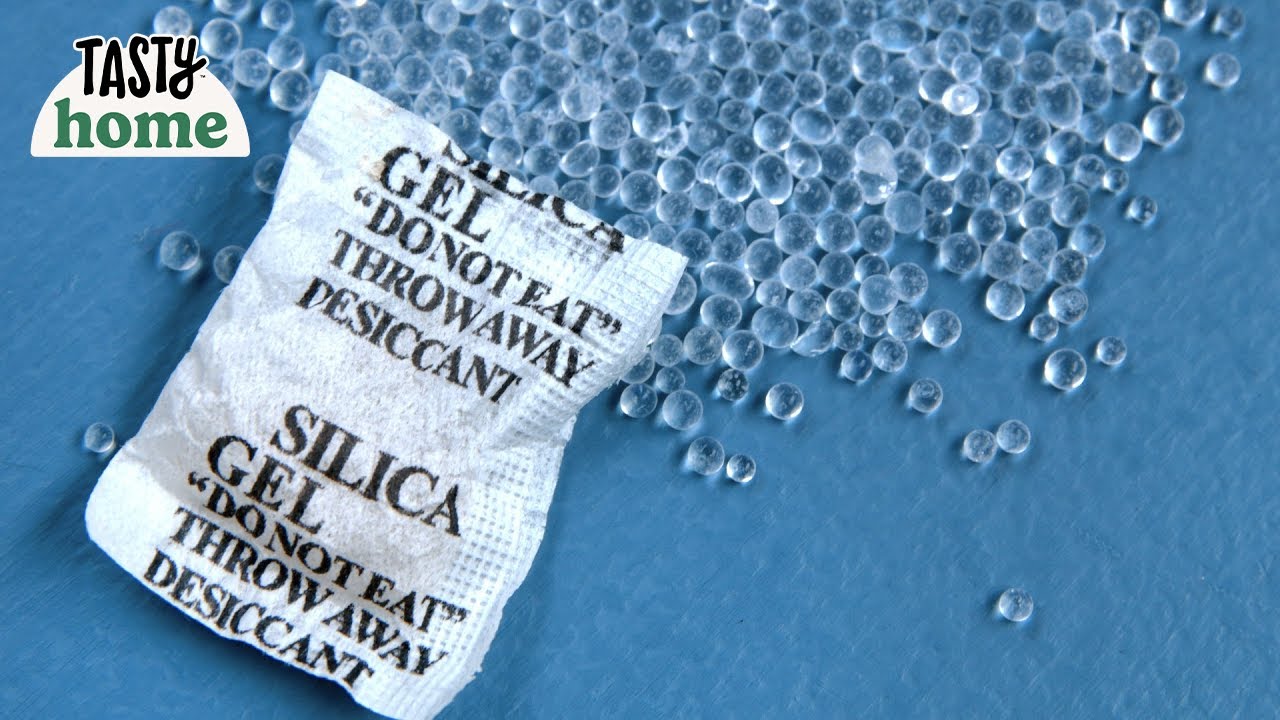
When something absorbs, like a sponge, it takes liquid into its whole body. When something adsorbs, like silica gel, it attracts and holds molecules (in this case, water molecules) onto its surface. It's like a tiny, moisture-grabbing magnet! It literally pulls humidity out of the surrounding environment, trapping those pesky water molecules within its intricate network of pores.
Why is this important? Because moisture is the enemy of so many things we value!
Why Is This Little Packet So Pervasive and Powerful?
Now that we know its superpower, it’s easy to see why silica gel is such a ubiquitous guardian. It’s silently protecting countless items from the damaging effects of humidity. Let's look at some of its most common (and coolest) applications:

-
Protecting Electronics: Ever bought a new camera, phone, or hearing aid? Silica gel is often there to ensure it arrives in pristine, moisture-free condition. Humidity can wreak havoc on delicate electronic components, causing corrosion and malfunctions. Silica gel acts like a silent bodyguard for your gadgets.
-
Keeping Medications Fresh: Many medicines, especially capsules and tablets, are highly sensitive to moisture. A little silica gel in the bottle helps prevent them from degrading, clumping, or losing their potency. It ensures your medicine is as effective as it needs to be, right up to the expiry date.
-
Saving Important Documents and Photos: Storing old photos, certificates, or heirlooms? A few packets of silica gel in the box can prevent mildew, yellowing, and degradation caused by dampness. It's like giving your precious memories their own personal dehumidifier.

Silica Gel Definition And Uses at Eddie Avila blog -
Preventing Rust on Tools: If you have a toolbox in a garage or shed, you know the struggle against rust. Toss a few silica gel packets in there, and they'll help keep your tools shiny and rust-free. It's a cheap and effective way to extend the life of your equipment.
-
Drying Flowers: This is a fun, DIY use! Want to preserve a beautiful bouquet? Bury the flowers in silica gel beads (you can buy larger quantities for crafts), and they'll dry out perfectly, retaining their shape and color much better than air drying.
-
The Famous "Dropped Phone" Myth (and Reality): You’ve probably heard the advice to put a wet phone in rice. Well, silica gel is actually much more effective than rice at drawing out moisture. So, if you ever take an accidental dip with your phone, a bag full of silica gel packets is your best bet! (Though, no guarantees! Prevention is always key).
What is Silica Gel? Uses, Types, and Benefits
"DO NOT EAT": Is It Dangerous?
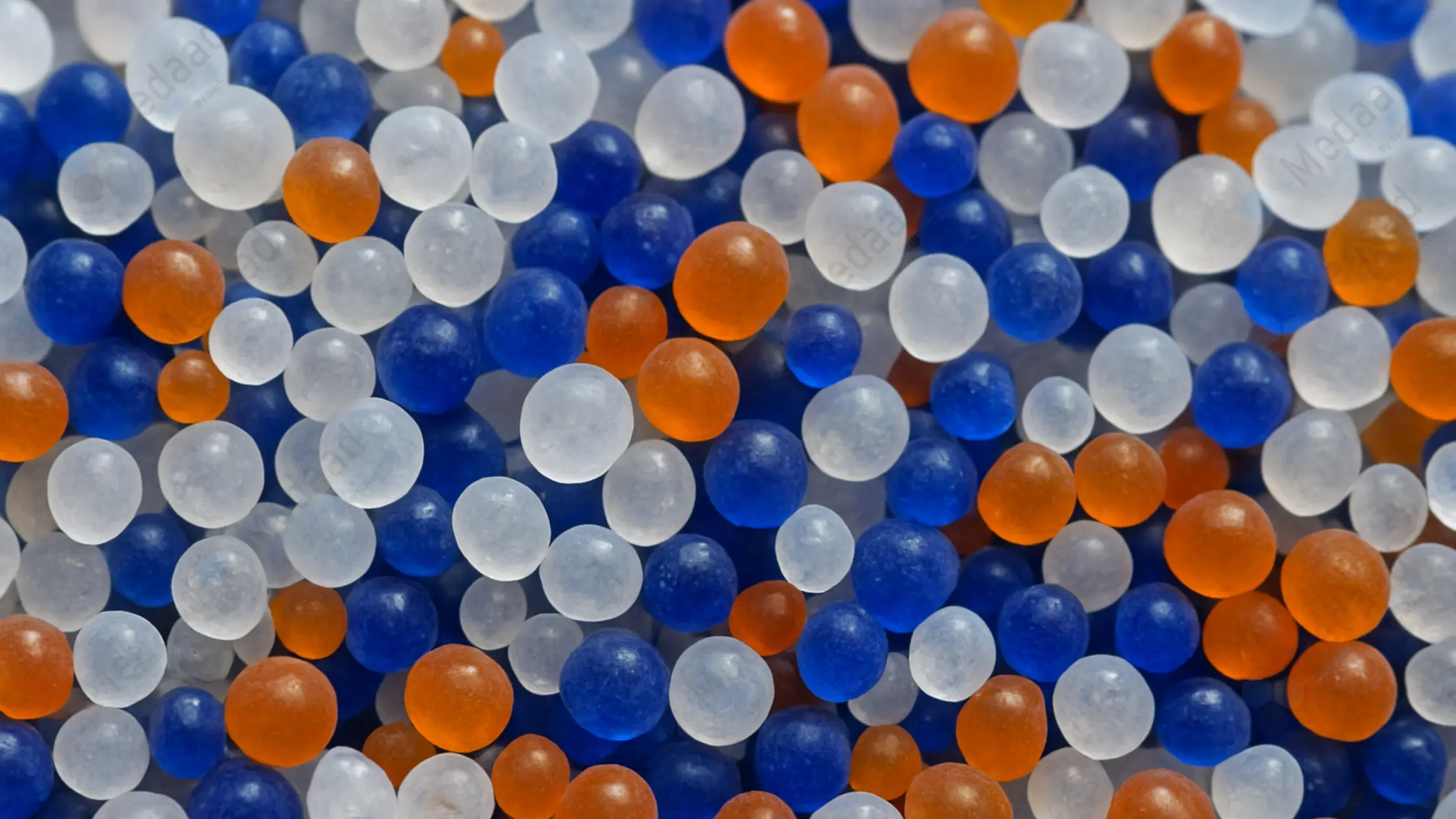
That scary warning can be a bit misleading. The silica gel itself is largely non-toxic. It's essentially purified sand. The main reason for the warning is that the small beads can be a choking hazard, especially for children and pets. So, while it won't poison you, it's definitely not snack time! Some packets might also contain indicator chemicals that change color when saturated, and those might be mildly irritating if ingested, but generally, the main concern is choking.
Can You Reuse It? Absolutely!
One of the coolest things about silica gel is that it's often reusable! When the beads become saturated with moisture, they stop working. But you can "recharge" them! Many types of silica gel can be reactivated by heating them gently in an oven (around 200-250°F or 90-120°C) or even a microwave on a low setting for a short period. This drives out the trapped water molecules, making the beads ready to adsorb again. How neat is that? It’s like giving them a little vacation so they can come back to work!
The Quiet Hero
So, the next time you spot one of those little packets, give a nod of appreciation to the humble silica gel. It's not flashy, it doesn't make a sound, but it's working tirelessly behind the scenes, protecting our belongings, preserving our memories, and ensuring everything stays dry and happy. It's a tiny marvel, quietly doing a huge job, and that, my friends, makes it pretty darn cool.