Ever Wonder How Aluminum Gets Its Gorgeous Glow? Hint: It’s All About the Gas!
Hey there, welding curious! Ever seen a beautifully welded aluminum piece and wondered, "How'd they make that look so strong and clean?" Get ready, because we're diving into one of welding's unsung heroes: shielding gas for aluminum MIG welding! Sounds technical, right? But trust me, it’s actually pretty fun and full of quirky secrets.
Imagine cooking a fancy meal. You wouldn't just leave ingredients out in the open, exposed to dirt and nasties, would you? Welding aluminum is similar. Except here, we’re fighting an invisible enemy: the atmosphere!
Aluminum: The Finicky Fashionista of Metals
Aluminum is light, strong, and everywhere – from soda cans to spaceships! But when you weld it, aluminum turns into a total diva. It loves to react with oxygen, forming a nasty, brittle oxide layer almost instantly. Think of it like an annoying crust that blocks your beautiful weld. Plus, it conducts heat super well, making it a tricky beast to control.
If you try to MIG weld aluminum without the right protection, you'll end up with a porous, ugly mess. It’ll look like Swiss cheese and have the structural integrity of a wet paper towel. Not ideal for that custom bike frame, huh? This is where our invisible superhero swoops in!
Enter the Shielding Gas: Your Weld’s Personal Bodyguard!
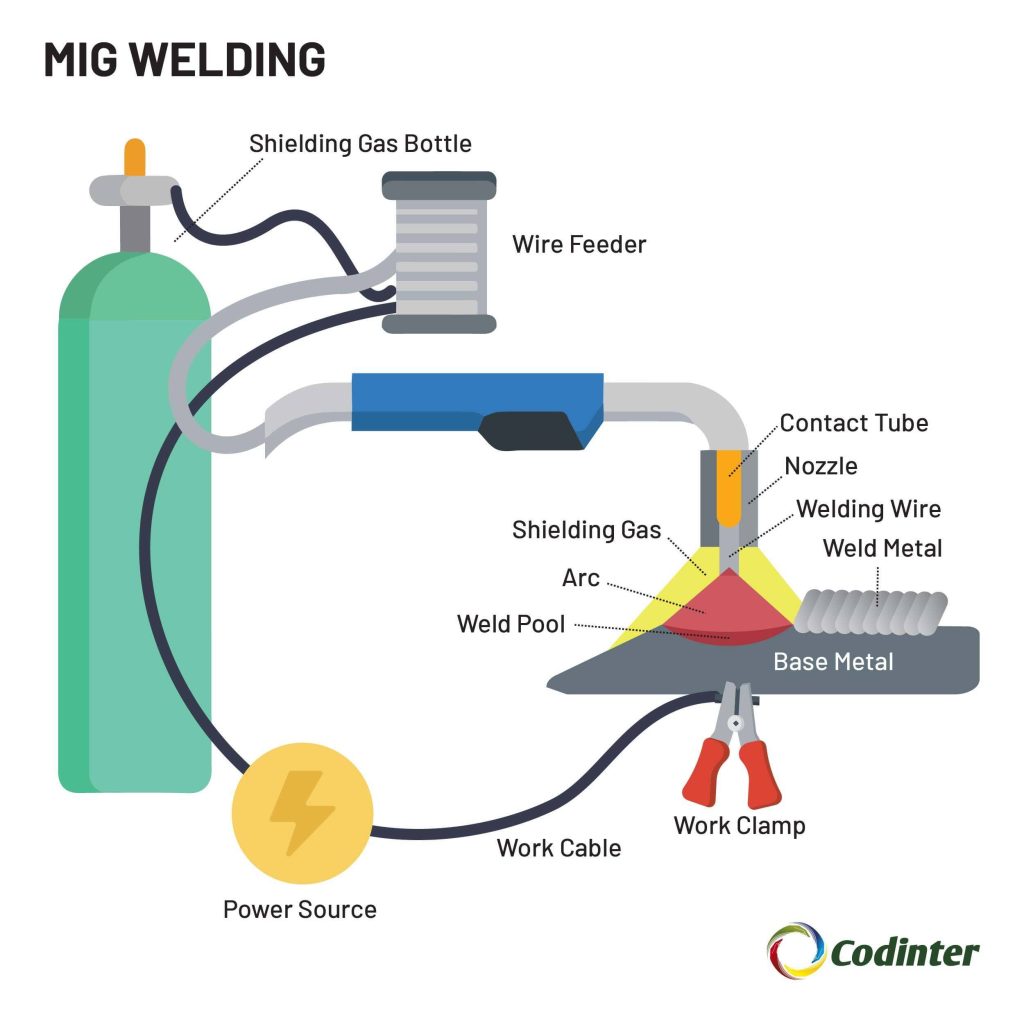
Shielding gas has a simple but vital job: it creates an invisible force field around your welding arc and the molten weld pool. This force field pushes away all oxygen, nitrogen, and other atmospheric baddies that would love to crash your welding party and ruin everything. It's like a tiny, focused hurricane, bringing protection instead of destruction!
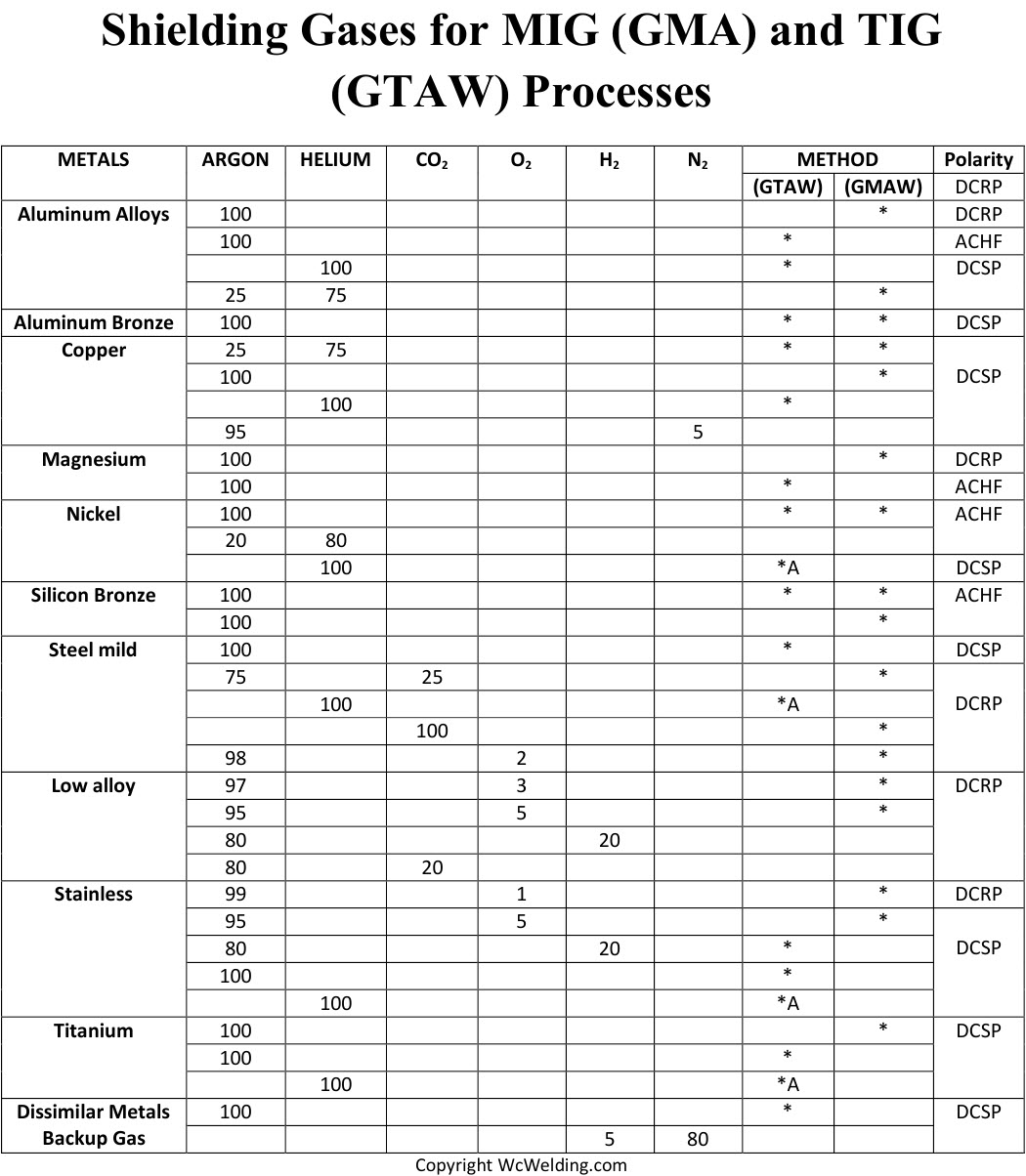
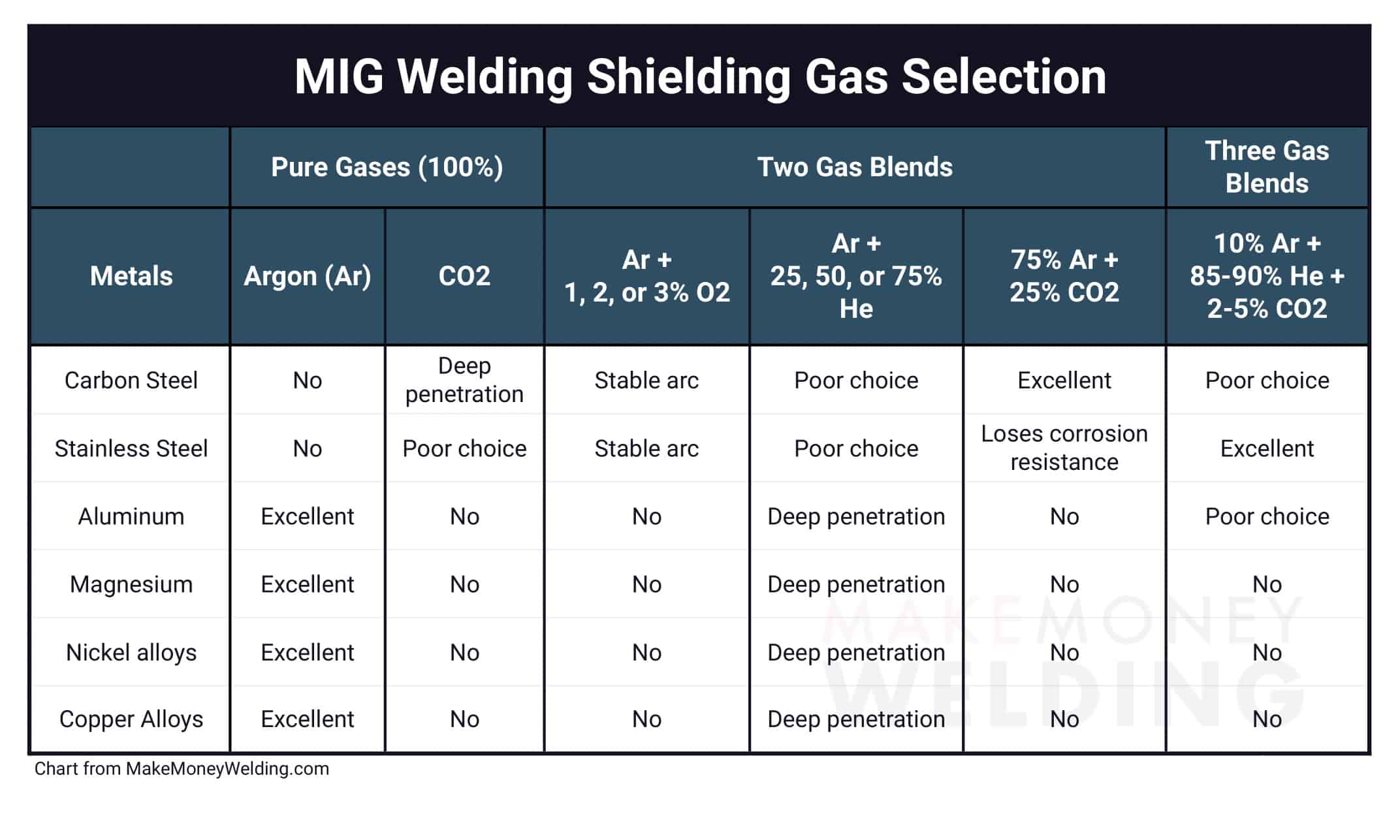
So, what's in this magical gas cylinder? For aluminum MIG, we're mostly talking about two main characters: Argon and Helium. Sometimes they work solo, sometimes they team up like the ultimate buddy cop duo.
Argon: The Go-To, Reliable Friend
Meet Argon (chemical symbol: Ar). This noble gas is the undisputed champion for MIG welding aluminum. Why? It's pretty heavy, so it blankets the weld pool beautifully, keeping those pesky atmospheric gases out. It also helps create a very stable and focused arc, fantastic for control, especially on thinner aluminum or precise welds.
One quirky fact: Argon is a byproduct of air separation! We literally just pull it out of the air around us. How cool is that? It’s abundant, relatively inexpensive, and it just works. For most DIYers and pros, 100% Argon is the bread and butter for aluminum MIG. It gives you nice, clean, strong welds with a crisp bead profile.
Helium: The High-Energy, Fast-Paced Pal
Now, Helium (He). Yes, the stuff that makes your voice sound like a chipmunk! But in welding, Helium is a powerhouse. Unlike Argon, Helium is super light and conducts heat really well. What does this mean for your weld?
It means a hotter, wider arc and deeper penetration! Add Helium, and you can weld faster, fuse thicker materials more effectively, and sometimes even get a cleaner, flatter weld bead. It’s like putting a turbocharger on your welding torch! The trade-off? Helium is significantly more expensive than Argon. Plus, it tends to "float away" more easily, meaning you might need a higher flow rate.
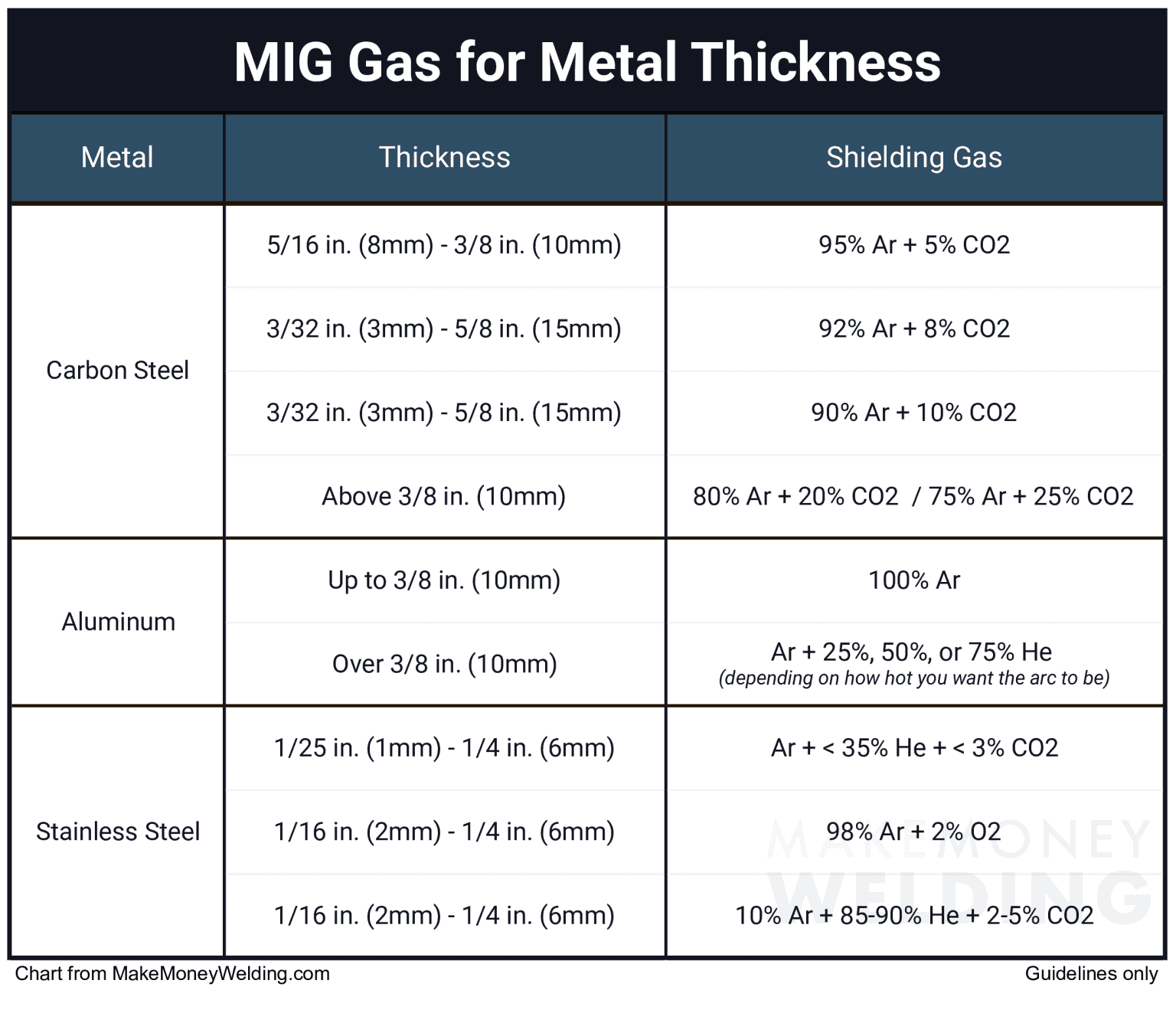
Welding gurus often use Helium mixes (like 75% Argon / 25% Helium or 50/50) for really thick aluminum, to maximize travel speed, or when they need extra oomph for full fusion. It’s about finding that sweet spot between cost and performance.
The Dynamic Duo: Argon-Helium Mixes
Sometimes, one superhero isn't enough, right? That's where Argon-Helium mixes come in. By blending these two gases, welders fine-tune their arc characteristics to perfection. Adding a little Helium to Argon increases heat input and penetration without losing Argon's arc stability. It's like having the best of both worlds – precision and power!
Different percentages offer different benefits. A 75% Argon / 25% Helium mix might be perfect for moderately thick aluminum, giving a nice balance. For really heavy-duty stuff, you might crank up the Helium to 50% or even 75%. It's a scientific art form, finding the perfect cocktail for your specific welding challenge.
Purity is King (or Queen)!
Just like you wouldn’t want a chef using rotten ingredients, your shielding gas needs to be super pure. Even tiny amounts of moisture or contaminants can lead to disastrous porosity in your aluminum weld. It’s like trying to protect your meal with a leaky umbrella! So, always ensure you're getting high-quality, welding-grade gases. Your beautiful welds will thank you!
What NOT to Use (A Little Cautionary Tale)
Quick heads-up: don’t even think about using CO2 or Argon/CO2 mixes for aluminum. Those are fantastic for steel, but for aluminum, they'll create a sooty, porous, and generally unhappy weld. Aluminum needs that inert, non-reactive atmosphere; CO2 is just too chemically active for its delicate sensibilities.
Why This Is Actually Fun!
So, why is shielding gas for aluminum MIG such a fun topic? Because it highlights the clever ways engineers and scientists solve problems. It's an invisible part of a very visible process, turning a finicky metal into something strong, beautiful, and useful. The next time you see a gleaming aluminum weld, you’ll know it’s not just skill, but also the silent, invisible magic of Argon and Helium doing their fantastic work.
It's all about creating that perfect, protected environment for the metal to melt, fuse, and solidify without interference. Pretty cool, right? Who knew gas could be so fascinating?