Ever flick a light switch, charge your phone, or brew a morning coffee and marvel at the invisible force powering it all? Our modern lives run on electricity, and getting that juice to our homes is one of humanity's biggest ongoing challenges. While solar panels on rooftops and towering wind turbines often grab the headlines, there's another, much older, and often misunderstood player in the energy game: nuclear power. It might sound a bit intimidating or even like something out of a sci-fi movie, but diving into its pros and cons is actually a fascinating journey into how we power our world, and it's incredibly relevant to our future.
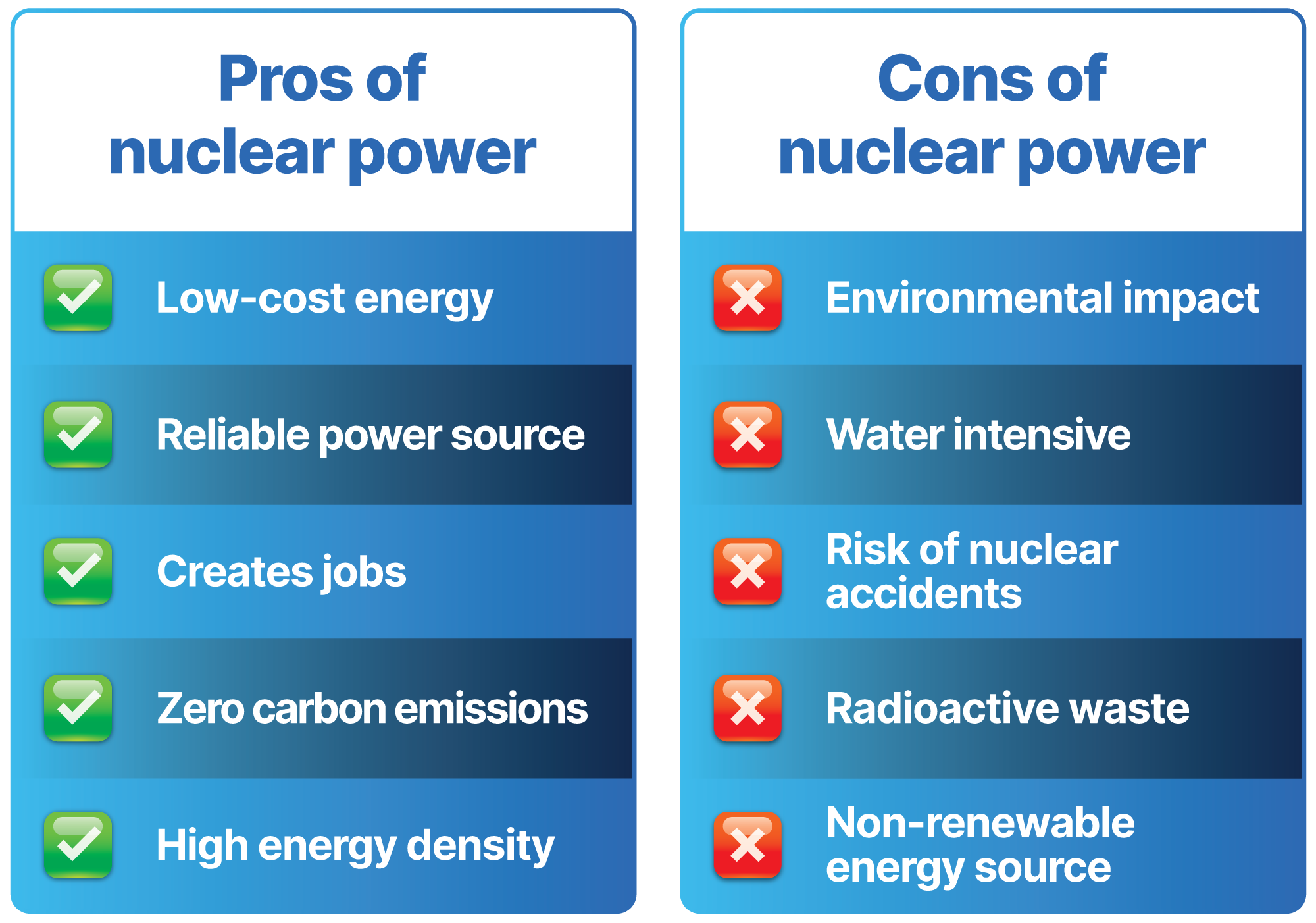
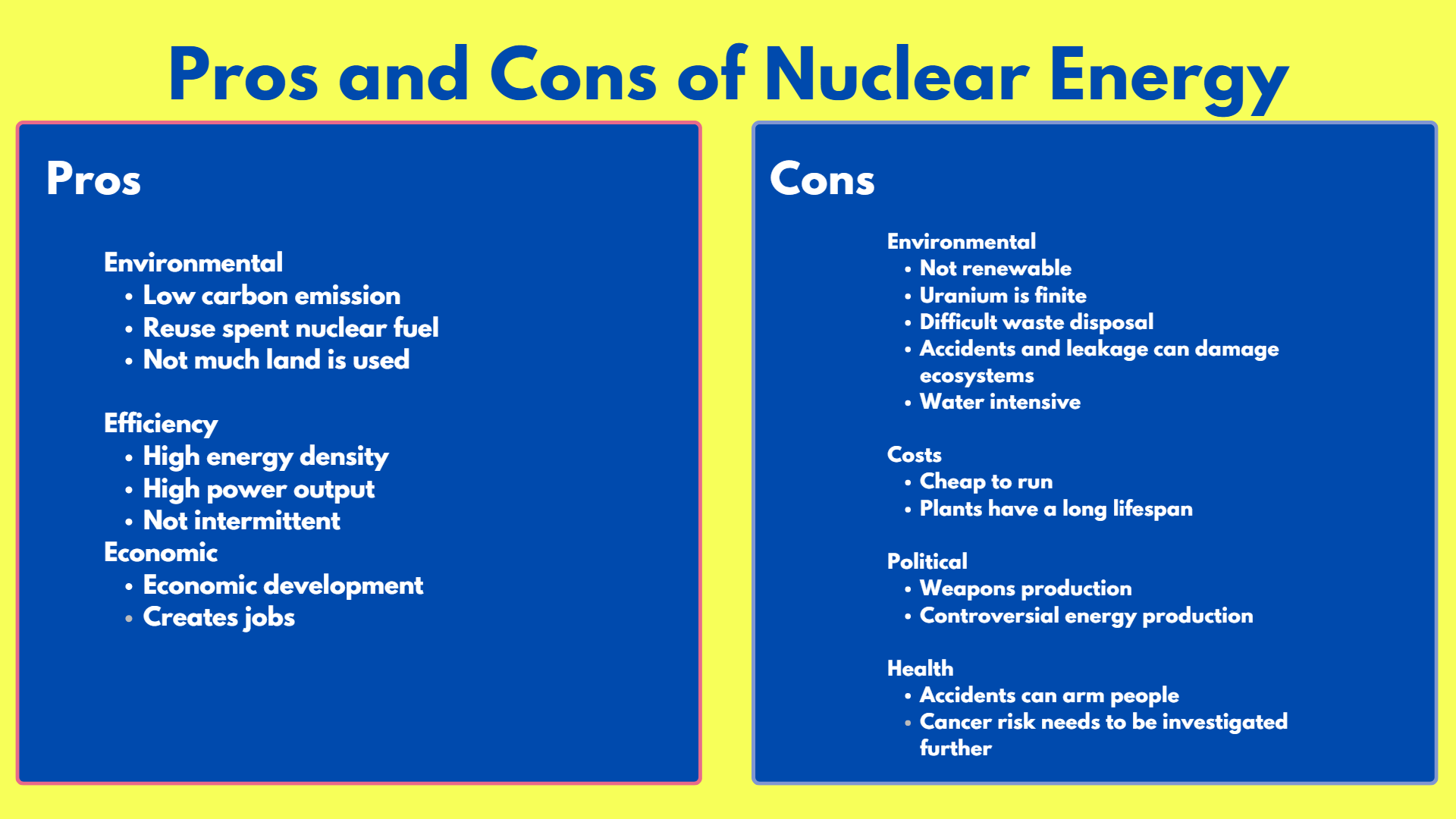
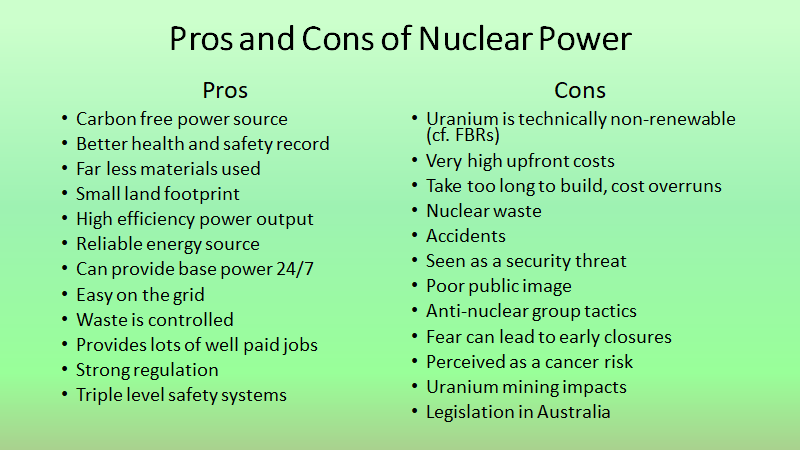
At its heart, nuclear power is about generating electricity by harnessing the incredible energy released when atoms are split – a process called fission. Its primary purpose is to provide a vast, reliable source of power. One of its most celebrated benefits is that it produces virtually zero greenhouse gas emissions during operation. Unlike burning fossil fuels, nuclear power plants don't release carbon dioxide into the atmosphere, making them a crucial tool in the fight against climate change. They also boast an incredibly small land footprint for the immense amount of energy they produce, and they can run 24/7, regardless of whether the sun is shining or the wind is blowing. This makes them a fantastic source of "baseload" power, keeping our grids stable and our lights on consistently.
However, like any powerful technology, nuclear power comes with its own set of significant challenges. The most prominent concern is nuclear waste. The spent fuel rods remain radioactive for thousands of years, requiring incredibly secure, long-term storage solutions that are still a hot topic of debate. Then there are the unforgettable, albeit rare, accidents like Chernobyl and Fukushima, which highlight the critical need for unwavering safety protocols and robust engineering. The public perception of nuclear power is often heavily influenced by these historical events, leading to understandable anxiety. Building a nuclear plant is also an incredibly complex and expensive undertaking, often taking decades from planning to operation, which can be a barrier to its adoption.
So, how does this relate to you? Well, the electricity powering your laptop, the hospital equipment, and the traffic lights all benefit from a diverse energy mix, which often includes nuclear power. In an educational context, understanding nuclear energy is vital for anyone studying climate science, engineering, or even economics. It’s a real-world case study in complex risk-benefit analysis. Beyond power generation, the principles of nuclear science are used in daily life in less obvious ways, like medical imaging (think MRI and X-rays) and cancer treatments, though these involve much smaller, controlled applications.
If you're curious to explore more, there are simple ways to start! Watch a well-regarded documentary on nuclear energy (many are available on streaming platforms) – just be sure to pick one that presents a balanced view. Visit a local science museum; many have exhibits explaining atomic energy and its applications. Reputable news sources and scientific institutions (like the International Atomic Energy Agency or university energy departments) are excellent places to find objective information. Don't be afraid to read up on the history, the technology, and the ongoing debates. It's a truly complex and fascinating subject that demands an open, curious mind to fully appreciate its nuances.