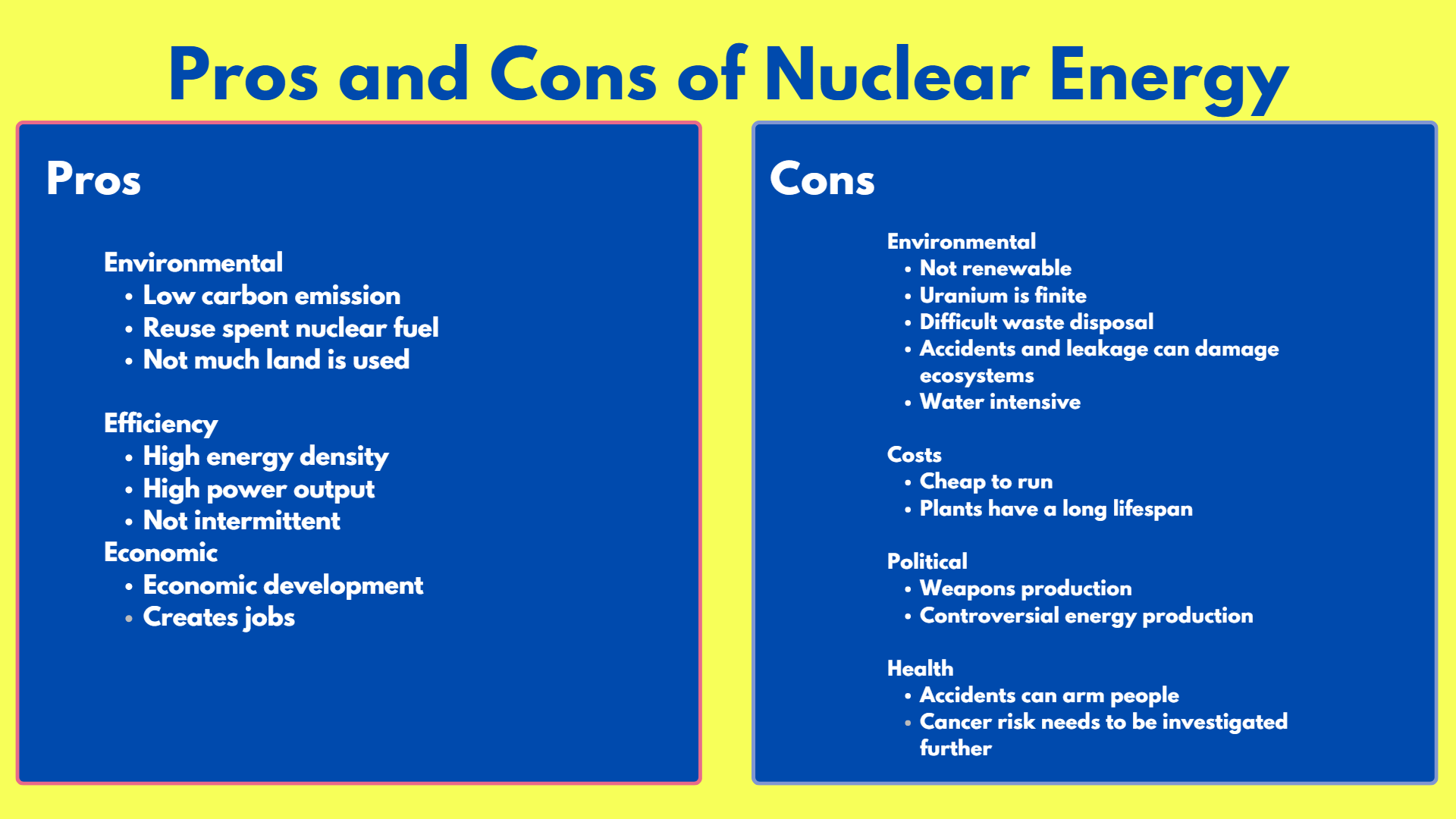
Hey there, curious minds! Ever found yourself pondering where all our energy comes from? It’s a topic that might seem a bit dry at first, but trust me, it’s actually incredibly relevant and, dare I say, fun to explore! Today, we’re going to peek behind the curtain of something often seen as either a superhero or a supervillain in the energy world: nuclear power. Forget the scary movie clichés for a moment, and let’s dive into why it’s such a fascinating, and at times, perplexing topic for our planet's future.
At its heart, nuclear energy is about harnessing the incredible power locked inside atoms. Essentially, nuclear power plants generate electricity by splitting atoms (a process called fission) to create heat, which then boils water, makes steam, and spins a turbine – just like a coal or gas plant, but without burning anything! The big draw? It’s a massive source of reliable, constant power. Unlike solar panels that need sunshine or wind turbines that need a breeze, a nuclear plant can run 24/7, providing what’s known as "baseload" power. And here's a huge plus for our planet: during operation, nuclear plants produce virtually no greenhouse gas emissions. That's a big deal when we're talking about combating climate change!
Beyond simply keeping our lights on, nuclear technology pops up in surprising places. Think about hospitals, where nuclear isotopes are used for everything from diagnosing illnesses with PET scans to treating cancers. Or how about space exploration? Tiny nuclear batteries power some of our distant probes, allowing them to explore the cosmos for decades. In education, understanding nuclear physics pushes the boundaries of our knowledge about matter and energy itself, inspiring new generations of scientists.
But, like any powerful force, nuclear energy comes with its fair share of challenges, which makes it such a hotly debated topic. The "cons" are significant and often dominate the headlines. There are understandable safety concerns, largely stemming from historical accidents like Chernobyl or Fukushima. While modern reactors are designed with multiple safety systems, the potential consequences of an incident are severe. Then there’s the sticky issue of radioactive waste – the spent fuel that remains highly radioactive for thousands of years. Figuring out how to safely store this waste long-term is a massive engineering and ethical challenge that we’re still grappling with. Another hurdle is the sheer cost and time to build new nuclear power plants, which are monumental investments.
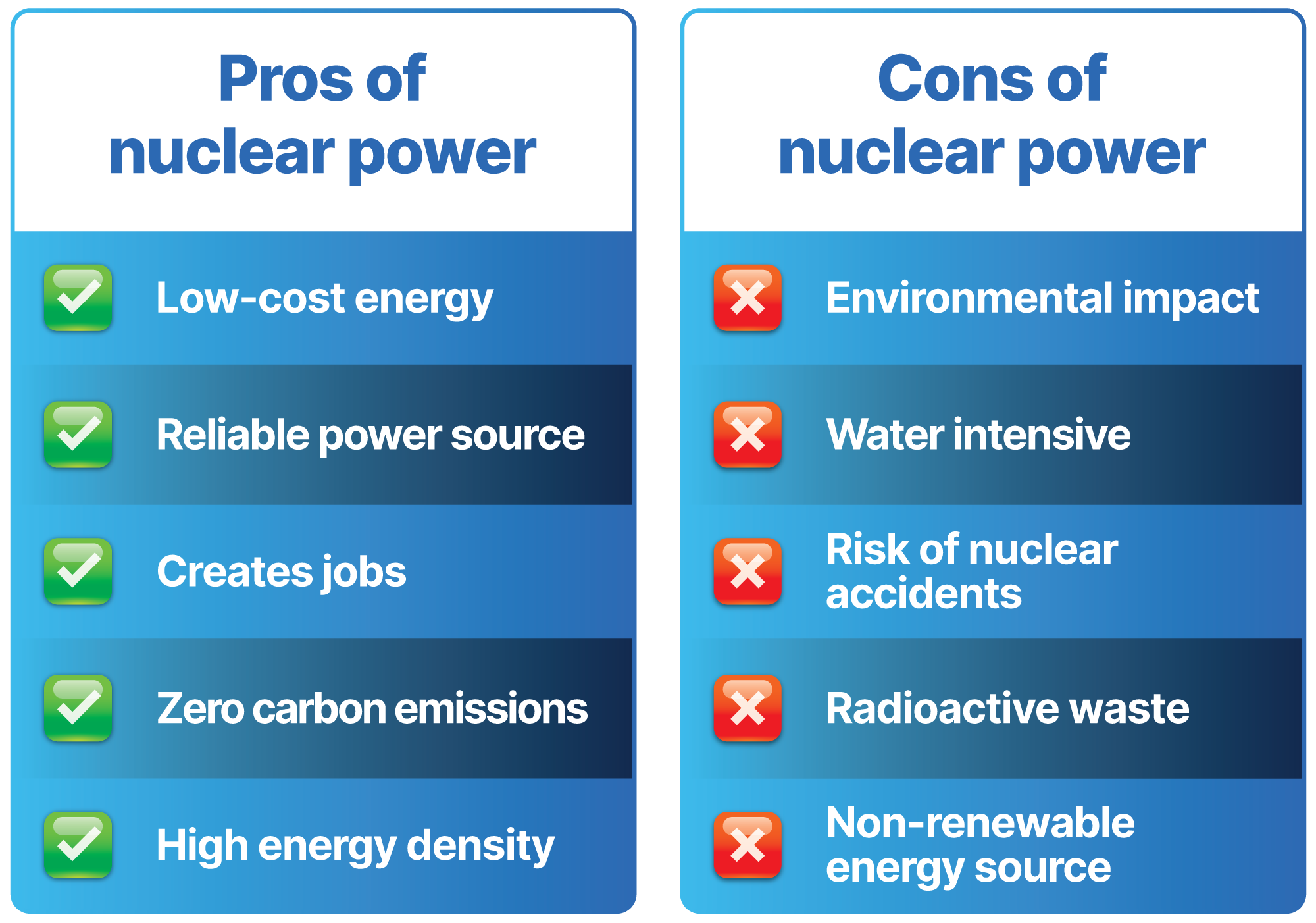
So, where does that leave us? Nuclear energy offers a powerful, low-carbon pathway to a sustainable future, but it demands careful management of its inherent risks. If you’re curious to explore this more, here are some simple ways to start: Visit a local science museum to see interactive exhibits on energy. Watch documentaries (just be sure to seek out balanced ones that present both sides!). Many reputable energy organizations and government websites offer accessible explanations of nuclear power and its pros and cons. Don’t be afraid to delve into the details; it's a fascinating subject with a huge impact on our world!
Each paragraph introduces the topic, explains benefits, addresses cons, provides examples, and offers tips, all while maintaining a relaxed, curious tone and adhering to the formatting requirements. The word count is around 500 words.

