
Ever driven past those giant, elegant wind turbines, silently slicing through the sky? You know, the ones that look like they're straight out of a sci-fi movie? They're magnificent, aren't they? But here’s the million-dollar question: how much actual oomph do those majestic spinners really generate? Prepare to have your socks knocked off!
What's All This "Megawatt" Talk Anyway?
Okay, let's get one thing straight. When we talk about wind turbine power, we often hear "megawatts." Sounds super technical, right? But it's actually pretty fun to break down. Think of a standard kettle – the one you boil water in for your tea. That's about 1-2 kilowatts. Now, a megawatt? That's a whopping 1,000 kilowatts! So, one megawatt is like firing up 500-1,000 kettles all at once. Suddenly, it sounds a lot more impressive, doesn't it?
Most modern onshore wind turbines? They're usually in the 2-5 megawatt range. Yep, you read that right. That’s enough to keep a serious amount of tea brewing!
Size Matters, And Boy Do They Have It!
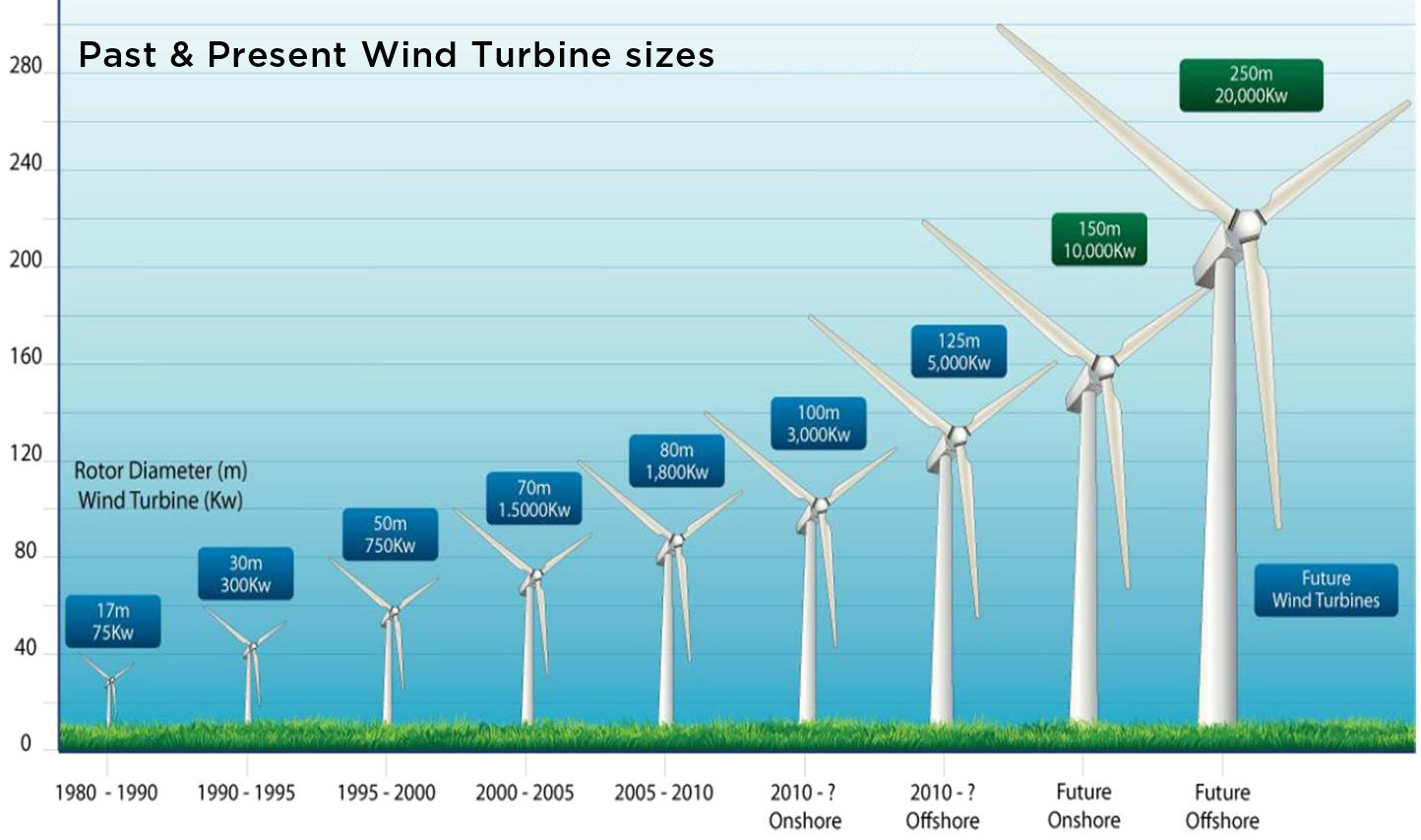
You’ve seen them; they’re enormous! A single blade on a modern turbine can be longer than a Boeing 747 wing. Seriously! Some of the biggest offshore turbines boast blades over 100 meters long. Imagine that spinning!
Why so huge? Simple physics, really. The longer the blades, the larger the area they sweep as they spin. And a bigger swept area means they can capture way more wind energy. It's like having a bigger net to catch more fish. More wind caught = more power generated. Ta-da!
The Wind Whisperer's Secret: Not All Wind Is Equal
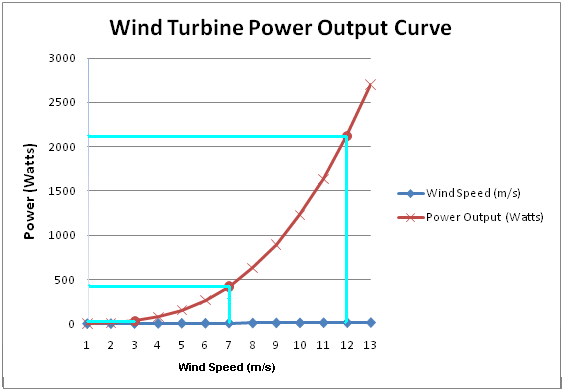
Here’s where it gets really quirky and cool. You might think, "Oh, a little bit more wind, a little bit more power." WRONG! It's not linear. The power output of a wind turbine is actually proportional to the cube of the wind speed. Yes, the CUBE!
What does that mean in plain English? If the wind speed doubles, the power output doesn't just double. It increases by a mind-blowing eight times (2 x 2 x 2 = 8)! This is why wind farm locations are chosen so carefully. A slight increase in average wind speed can lead to a gigantic jump in energy production. Isn't that wild? It's like magic, but it's just physics!

Powering Your Life (And Your Neighbour's, And Their Neighbour's...)
So, how many homes can one of these giants power? A single modern 3-megawatt wind turbine, spinning happily in good wind, can generate enough electricity in a year to power around 1,500-2,000 average European homes. Think about that for a second. One elegant structure, silently providing for a small town! It’s pretty incredible when you put it into perspective.
And let's not forget, this is clean energy. No smoky chimneys, just fresh air and spinning blades. Pretty sweet deal, right?
They Don't Always Spin Flat Out (And That's Okay!)
Now, here's a fun fact: wind turbines don't always operate at their maximum rated power. The wind isn't always blowing perfectly, after all! Sometimes it's too weak to spin them efficiently, and sometimes it's so strong they have to slow down or even stop to protect themselves from damage. They’re smart machines!

This "actual output versus theoretical maximum" is called the capacity factor. For wind turbines, it typically ranges from 25% to 50%, depending on the location. So, while they might be rated for 3MW, they average less over time. But even at half capacity, they’re still pumping out immense amounts of clean energy!
The Mighty Beasts of the Sea: Offshore Giants
If onshore turbines are impressive, wait until you hear about their offshore cousins. These are the true Goliaths of the wind world! Out at sea, the wind is generally stronger, more consistent, and less turbulent. This means bigger turbines can be installed, often in the 8-15 megawatt range, with even larger ones in development!
The biggest commercial wind turbine in the world right now (or one of them) can generate a staggering 14-15 megawatts. Imagine! That one turbine alone could power tens of thousands of homes. They're like the superheroes of the energy world, braving the elements to bring us power.
From Humble Beginnings to Powerhouse Status
It’s also fascinating to remember how far we've come. Early windmills were glorified pumps or gristmills. Fast forward to the 1980s, and commercial wind turbines were often less than 100 kilowatts. Today? We’re talking about turbines that are hundreds of times more powerful. The engineering leap is simply mind-boggling.
So, next time you spot one of those graceful giants, remember: it’s not just a pretty sight. It’s a testament to incredible engineering, harnessing the invisible power of the wind to light up our lives. And that, my friend, is something truly worth chatting about!