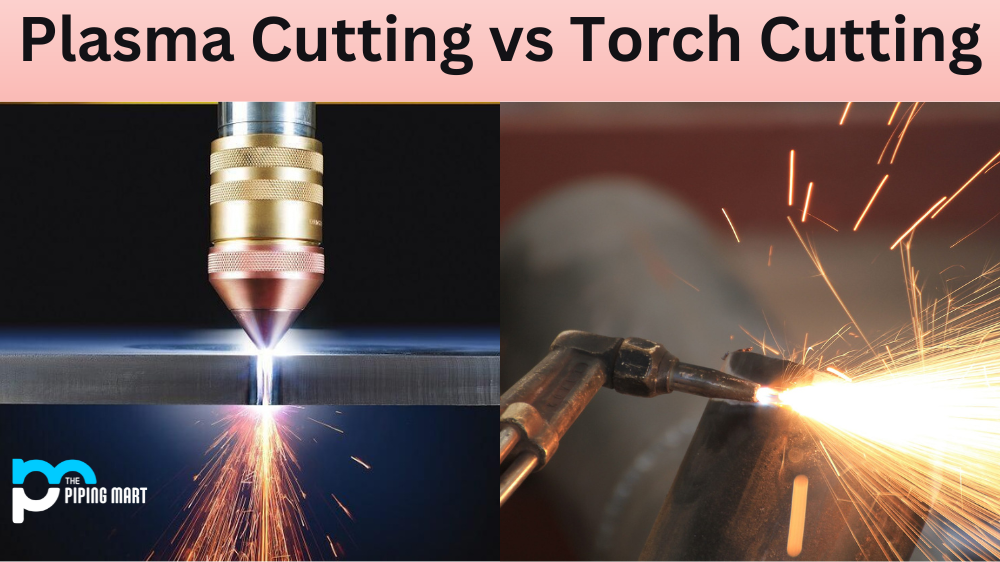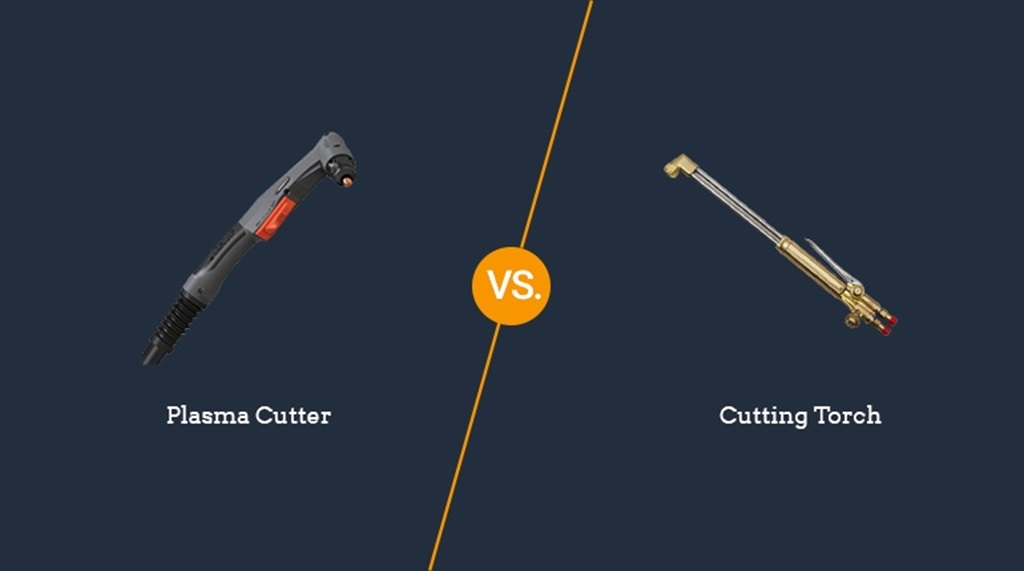
Ever looked at a piece of metal and wished you could shape it, cut it, or transform it into something new? Maybe you’re dreaming of restoring a classic car, crafting some unique garden art, or simply need to repair a stubborn metal fence. The world of metal fabrication can seem a bit intimidating, but trust me, getting started with cutting metal is incredibly rewarding and surprisingly accessible. It’s all about having the right tools, and today, we're diving into two popular contenders: the Plasma Cutter and the Cutting Torch. They both slice through metal, but in very different, equally cool ways!
For the everyday hobbyist or the enthusiastic DIYer, understanding these tools opens up a whole new realm of possibilities. Imagine being able to create custom brackets for a home project, design intricate metal sculptures, or even salvage old parts by precisely cutting them down to size. A plasma cutter, for instance, uses an electric arc to create a superheated jet of plasma, which then melts and blows away the metal. It’s fantastic for those who value precision and a relatively clean cut on thinner to medium-thick metals, like sheet metal for auto body work or artistic pieces. It’s also often seen as a bit safer than an open flame, making it a favorite for many beginners once they get past the initial learning curve.
On the other hand, the classic cutting torch, often an oxy-acetylene setup, uses a mix of oxygen and a fuel gas (like acetylene or propane) to create a powerful flame that preheats the metal, followed by a jet of pure oxygen that blasts through it. This method is a real workhorse, especially for cutting through very thick materials – think heavy steel beams or cast iron. It’s incredibly robust and doesn't require an electrical outlet near the cut itself, offering a certain level of portability if you can move your gas cylinders around. Many old-school welders and repair specialists swear by its power and versatility.
So, how do you choose and get started? Here are some simple tips. First and foremost, safety is paramount. Always, and I mean always, wear proper Personal Protective Equipment (PPE). This includes a welding helmet or dark goggles, heavy-duty gloves, and fire-resistant clothing. Ensure you have good ventilation, especially when using a cutting torch, due to the fumes. For plasma cutters, consider the amperage; a 30-50 amp unit is often perfect for hobbyists, handling anything from thin sheet metal to ½-inch steel. For torches, start with smaller tips and learn how to adjust your gas pressures correctly.

No matter which tool piques your interest, the best way to start is by practicing on scrap metal. Get a feel for the speed, the angle, and how the material reacts. Read your tool's manual thoroughly – it’s packed with valuable information specific to your machine. Start with simple straight lines before attempting intricate curves or shapes. You’ll be amazed at how quickly you develop a feel for it.
In the end, whether you choose the high-tech sizzle of a plasma cutter or the fiery might of a cutting torch, the satisfaction of transforming raw metal into something useful or beautiful is immense. It's a skill that empowers creativity, problem-solving, and gives you a tangible connection to the things you create. So, gear up, be safe, and enjoy the sparks flying as you embark on your metal-cutting adventure!