There are mornings when the universe just decides to throw a little curveball. You wake up, grab your coffee, keys in hand, ready to tackle the day. You hop into your trusty vehicle, turn the key… and nothing. Not even a groan. Your heart sinks a little, but then you notice something odd: the dashboard lights are on, the radio is playing your favorite morning jam, and the headlights glow like nothing’s wrong. It’s not the familiar click-click-click of a dead battery. This, my friends, is the curious case of the no crank, no start, but lights work dilemma. It’s like your car is saying, “I’m awake, but I’m just not feeling it today.”
When Your Car Has Power, But No Punch
This particular automotive hiccup is often more puzzling than a flat battery because it defies your initial instincts. Most people immediately jump to the conclusion, "Must be the battery!" But if your lights are bright and your infotainment system is humming along merrily, the battery likely has enough juice for the accessories, just not the colossal surge needed to spin the engine. Think of it like a coffee maker: it needs power to light up, but a whole lot more to actually brew that life-giving espresso. Your car needs a truly powerful jolt to get the engine cranking.
So, if it’s not just a simply dead battery, what could be the culprit? This is where the plot thickens, but fear not, we’ll keep it breezy. The usual suspects in this electrical whodunit often include:
- The Starter Motor: This is the big kahuna. Its sole job is to kick-start your engine's rotation. If it’s failed, stuck, or simply not getting the signal, you get silence.
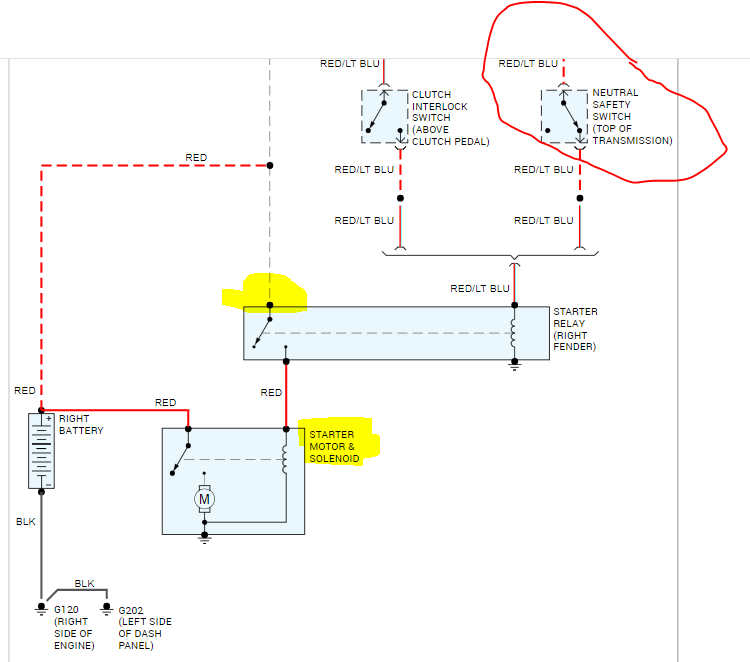
- The Starter Solenoid: Often integrated with the starter, this acts like an electrical relay. It’s what sends the battery’s full power to the starter. If it’s sticky or worn, no signal, no start.
- Bad Connections or Wiring: Sometimes, it’s not the component itself but the path the electricity takes. A corroded terminal or a loose wire in the starting circuit can prevent that crucial current flow.
- The Ignition Switch: That little mechanism you turn with your key isn't just a fancy door lock. It’s an electrical switch. If it’s worn out, it might send power to your radio, but fail to trigger the starter circuit.
- Neutral Safety Switch / Clutch Pedal Switch: Modern cars are smart (and safe!). Automatic cars won't start unless they’re in Park (P) or Neutral (N). Manual cars require the clutch pedal to be fully depressed. If these switches are faulty, they won't let the starter engage.
- Security System / Immobilizer: Sometimes, your car's anti-theft system can decide it doesn't recognize your key or an electrical glitch triggers it, preventing the engine from starting. It's like a bouncer at a club, deciding you're not on the guest list.
Your DIY Detective Kit: What to Try First
Before you dial roadside assistance, here are a few simple, no-stress maneuvers you can try. Think of these as the car equivalent of turning it off and on again:
1. Wiggle the Shifter: If you drive an automatic, try firmly shifting the gear selector through Park, Reverse, Neutral, and Drive, then back to Park. Sometimes, the neutral safety switch just needs a little jiggle to make proper contact. It’s like giving a lazy houseplant a little shake to wake it up.
2. Tap the Starter (with Caution!): If you can safely access your starter motor (it's usually located on the side of the engine, connected to the transmission), a gentle tap with a wrench or a piece of wood can sometimes dislodge a sticky solenoid or brushes. This is pure "percussive maintenance" – a classic trick, but only attempt if you’re comfortable and can do so safely. Never get under a car without proper jack stands!
3. Check Battery Terminals: Even if your lights work, a loose or corroded battery terminal might prevent the massive current surge needed for the starter. Pop the hood and visually inspect them. If they're loose, try to tighten them (power off!). If there's corrosion, you might need a wire brush. Again, safety first!
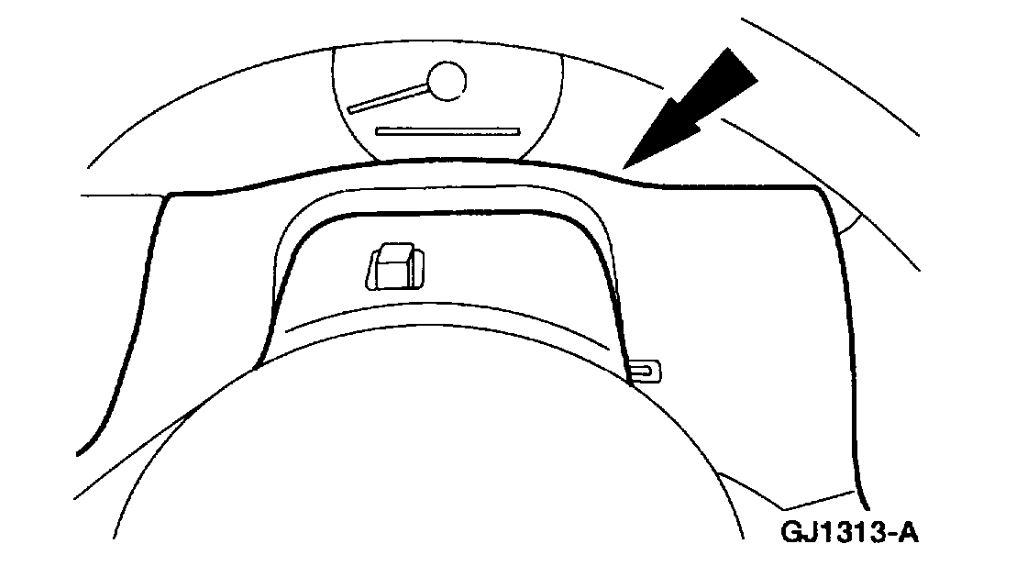
4. Jiggle the Ignition Key/Steering Wheel: If your ignition switch is the issue, sometimes wiggling the key in the ignition while trying to start can help. Similarly, if your steering wheel is locked, give it a firm wiggle left and right while turning the key to free it up.
5. Listen for Clicks: Turn the key to the start position and listen closely. A single, distinct click often points to the starter solenoid attempting to engage but failing. If you hear rapid, machine-gun-like clicks, it could indicate a battery that's too weak to sustain the starter, even if it has enough power for the accessories. It's giving you just enough power to be annoying!
The Takeaway: Patience and Perspective
When your car refuses to crank but everything else seems fine, it can feel like a riddle wrapped in an enigma. It's a reminder that sometimes, the most obvious answer isn't the correct one. Just like in life, a quick visual inspection or a simple reset can often resolve an issue that seems complex. And if these tips don't get you rolling, don't sweat it. That's when it's time to call in the professionals. There's no shame in admitting when a job requires a specialist, whether it's for your car, your leaky faucet, or even figuring out that tricky new app.
So, the next time your vehicle pulls this silent protest, take a breath. Approach it with a calm, investigative mind. It’s not just about fixing the car; it’s about navigating life’s little unexpected pauses with grace, curiosity, and knowing when to ask for a little help. Because every now and then, even the most reliable machines (and people) need a little nudge to get back into gear.