Ever found yourself effortlessly flipping pancakes or sliding an omelet right off the pan? It’s a magical moment, isn’t it? That incredible ease is all thanks to non-stick coatings, and the star player in most of these is a material called PTFE, or Polytetrafluoroethylene. But with something so prevalent in our kitchens, something that touches our food daily, it's perfectly natural to wonder: is this wonder material truly safe for us? Let’s peel back the layers and get curious about the science behind our beloved non-stick pans.
PTFE is essentially a super stable polymer, a long chain of molecules that creates an incredibly smooth, low-friction surface. Its primary purpose, and indeed its greatest gift to home cooks, is to prevent food from sticking, making cooking and cleanup a breeze. Think about it: no more scrubbing stubborn, burnt-on bits! The benefits are immense: you can cook with less oil or fat, leading to potentially healthier meals, and the sheer convenience saves valuable time and effort in the kitchen. For many, it's transformed the daily ritual of cooking from a tiresome chore into a more enjoyable and efficient experience.
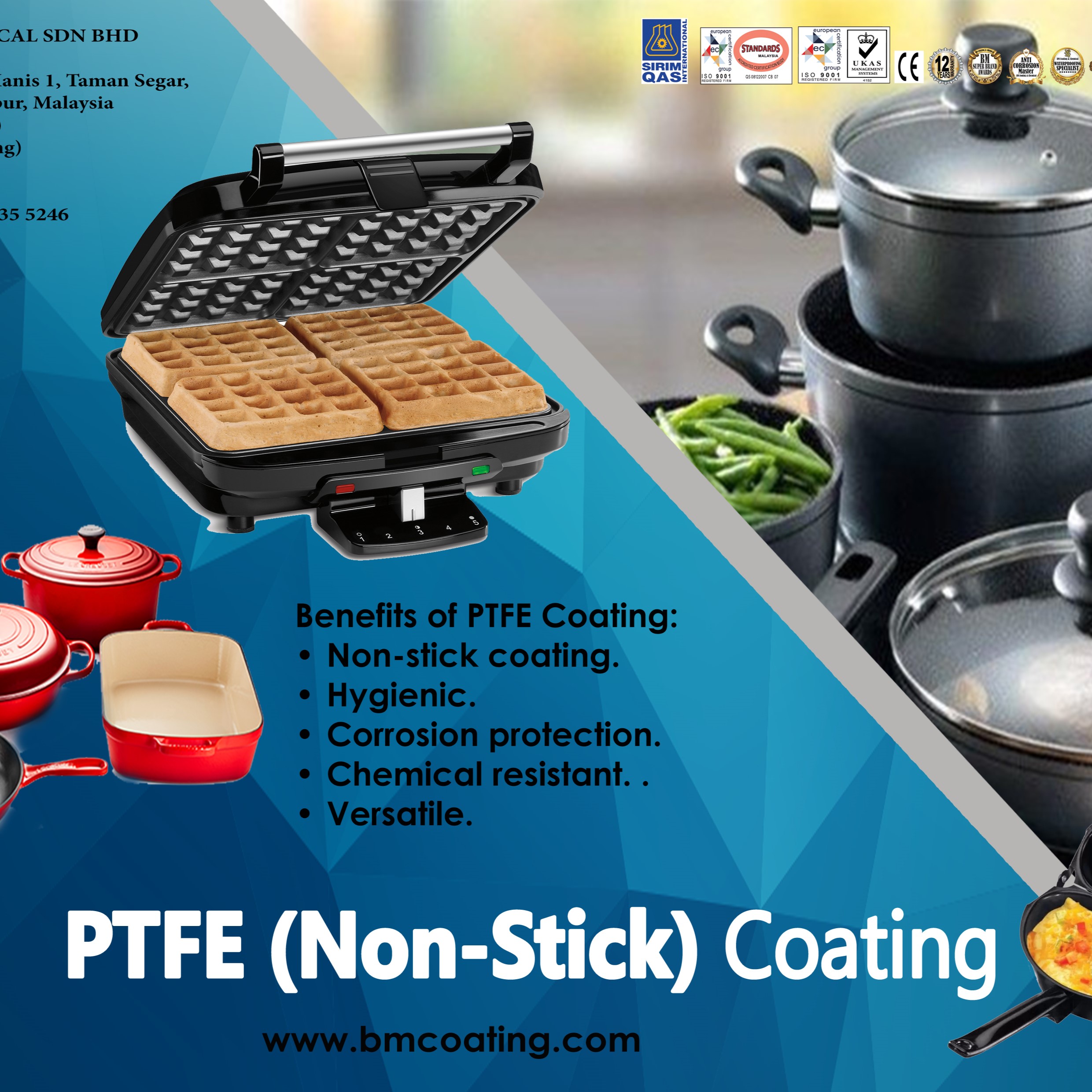
In our daily lives, PTFE-coated cookware is perhaps the most obvious and widespread example. From frying pans and saucepans to baking sheets, muffin tins, and even waffle irons, it’s practically ubiquitous. You might also find its unique properties utilized in less obvious places, such as in certain dental flosses for a smooth glide between teeth, or in specialized industrial applications where low friction and chemical inertness are crucial. While we're focusing on its culinary role, understanding its broad utility helps us appreciate just how clever this material is, engineered for performance across many fields.
Now, to the heart of the matter: safety. The good news is that under normal cooking temperatures, PTFE itself is considered very stable and safe. It’s designed to withstand typical kitchen heat without breaking down or reacting with food. The primary concern historically revolved around a specific manufacturing chemical called PFOA (perfluorooctanoic acid), which was used in the past to make PTFE. However, it's important to know that major manufacturers have phased out PFOA from their non-stick cookware since 2013, making modern PTFE coatings PFOA-free. So, if you have newer pans, this particular concern is largely alleviated, and PTFE itself is non-toxic.
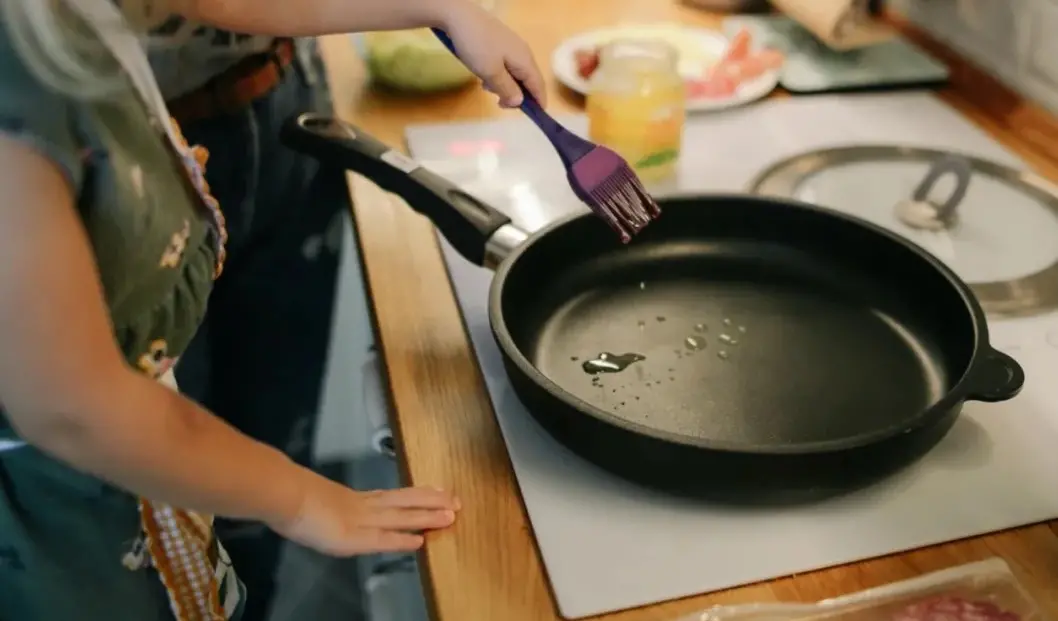
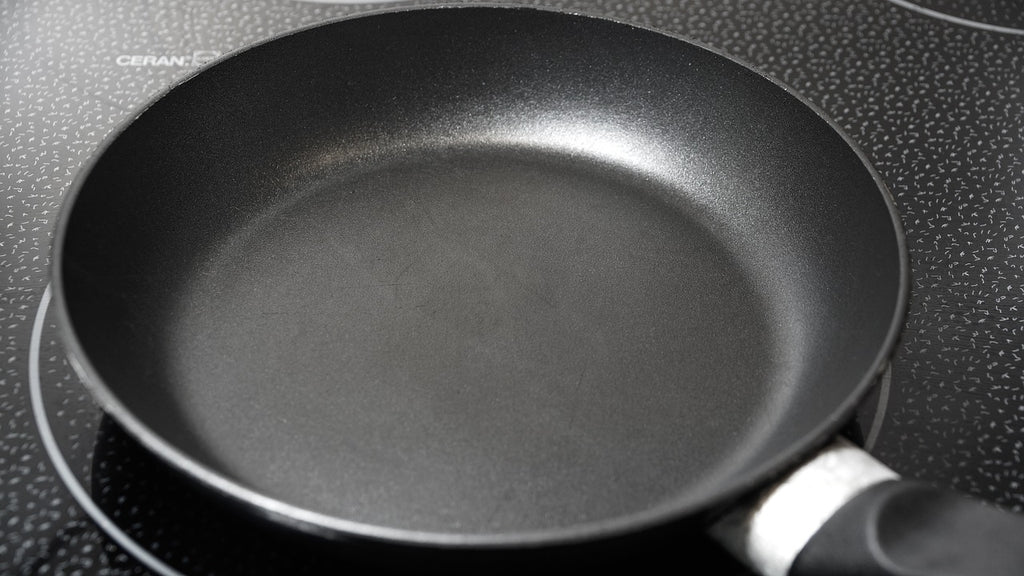
To keep enjoying the benefits of your non-stick cookware safely, here are a few practical tips. First, avoid extreme overheating. While PTFE is stable, temperatures above 500°F (around 260°C) can cause it to start degrading, potentially releasing fumes. This usually happens when an empty pan is left on a high burner for too long, so always add food or liquid quickly. Second, don't use metal utensils that can scratch the coating. Scratched pans aren't necessarily unsafe, but the coating's effectiveness will diminish. Stick to wooden, silicone, or plastic tools. Third, when cleaning, use soft sponges rather than abrasive scrubbers. Finally, if your non-stick pan is heavily scratched or the coating is visibly flaking, it might be time to replace it. Exploring the world of non-stick cooking is about enjoying convenience, and with a little care, you can do so confidently and safely. Happy cooking!