
Alright, picture this: It's a proper bone-chilling winter's day, the kind where your nose hairs freeze just thinking about stepping outside. You're bundled up like a human marshmallow, right? Layers galore – thermal undies, a thick sweater, a chunky scarf, and that puffy, gloriously warm coat that makes you look like you’re ready for an Arctic expedition. You step out, shiver for a second, then realize... hey, you're actually kinda toasty. You're practically radiating warmth, like a tiny, mobile sun.
Ever stopped to wonder why all those layers work so well? Is it just the fabric itself, or is there something else playing a starring role in your winter warmth strategy? Spoiler alert, dear reader: it's not just the wool or the fleece. A huge part of that cozy feeling comes down to our unsung hero: air. And this, my friends, brings us neatly to the big question: Is air a good conductor of heat?
Hold On, What Even Is Conduction?
Before we dive deep, let's quickly define what we're talking about. When we talk about heat conduction, we're basically talking about how heat energy travels directly from one molecule to another through contact. Imagine a line of dominoes: you push the first one, it knocks the second, and so on. That's kinda how conduction works with heat, but on a super tiny, jiggly-atom level.
So, if you put your hand on a cold metal railing, the heat from your hand quickly conducts into the metal, making your hand feel cold. If you touch something warm, the heat conducts into your hand. Get it? Direct contact, direct transfer.
Air: The Surprisingly Bad Conductor (Which Is A Good Thing!)
Now, back to air. The short answer to our big question is a resounding: No, air is actually a pretty terrible conductor of heat. In fact, it's one of the worst conductors out there. Which, when you think about it, is a huge win for us when we're trying to stay warm!
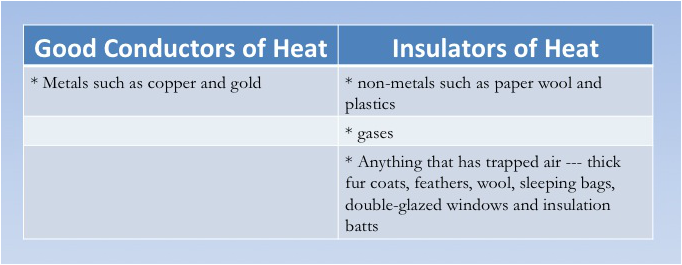
Why is air so bad at it? Well, air is a gas. And what do we know about gases? Their molecules are super spread out, right? Unlike solids where molecules are packed tight and vibrating, or liquids where they're close but flowy, gas molecules are zooming around with a lot of space between them. For heat to conduct effectively, those molecules need to bump into each other frequently and pass on that energetic jiggle. With air, there's just too much empty space, meaning fewer collisions, and thus, a much slower transfer of heat.
Think about it: if you light a match, the heat radiating from the flame doesn't instantly warm up the whole room, does it? That's because the air around it isn't efficiently conducting the heat away. It takes its sweet time.
Where This "Bad" Quality Becomes a Superpower: Insulation!
This "bad" conductivity is precisely what makes air an excellent insulator. Insulation is all about slowing down heat transfer, keeping heat where you want it (like inside your house in winter) or keeping it out (like inside your fridge).
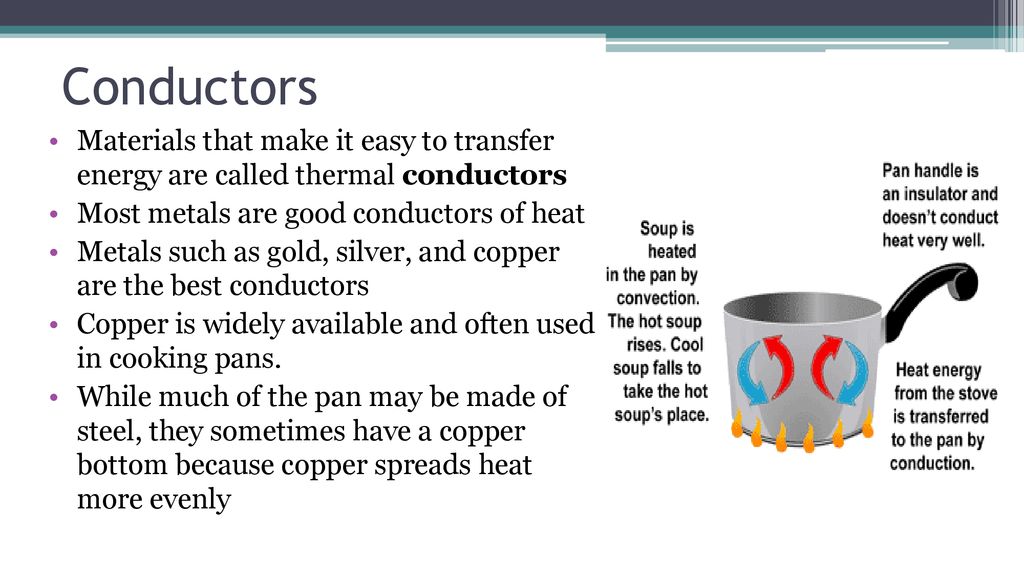
Let's revisit our winter wardrobe. All those layers you're wearing? They're not just magical fabric. They work by trapping tiny pockets of air between the fibers and between the layers. This trapped air can't move around much. And because it can't move, it can't transfer heat efficiently through conduction, nor can it circulate easily to carry heat away (which would be convection, another story for another time). So, those little air pockets become tiny thermal shields, keeping your precious body heat from escaping into the frosty world.
Mind blown, right? Here are a few more places where trapped air is saving the day:
- Double-paned windows: The gap between the two panes? Filled with air (or sometimes argon gas, which is even less conductive!). This prevents heat from easily escaping your house in winter or getting in during summer.
- Loft insulation: That fluffy stuff in your attic? It's designed to trap a bazillion tiny air pockets, creating a barrier against heat loss.
- Animal fur and bird feathers: Nature figured this out eons ago! Fluffing up their fur or feathers allows animals to trap a layer of air close to their bodies, keeping them warm.
- Thermos flasks: While they often have a vacuum between layers (the ultimate insulator), some designs also rely on trapped air to keep your coffee hot or your water cold.
A Small Caveat: Moving Air is Different!
Now, a quick side note so we're all on the same page. While still air is a poor conductor, moving air (like a strong breeze) can actually make you feel much colder very quickly. That's because moving air doesn't just conduct heat; it also carries it away through a process called convection. So, a windy day can strip away that lovely warm air layer you've built up around your body. That's why your mom always told you to zip up your jacket, right?
The Takeaway
So, there you have it! Air, that invisible stuff we breathe, is a pretty terrible conductor of heat. But don't you dare call it useless! This very quality makes it one of the most effective and widely used insulators on the planet. From your winter coat to your home's windows, trapped air is silently working its magic, keeping you comfy and saving energy.
Bet you're looking at your puffy coat a little differently now, huh? Go forth and appreciate the power of those tiny, heat-stopping air pockets!
