
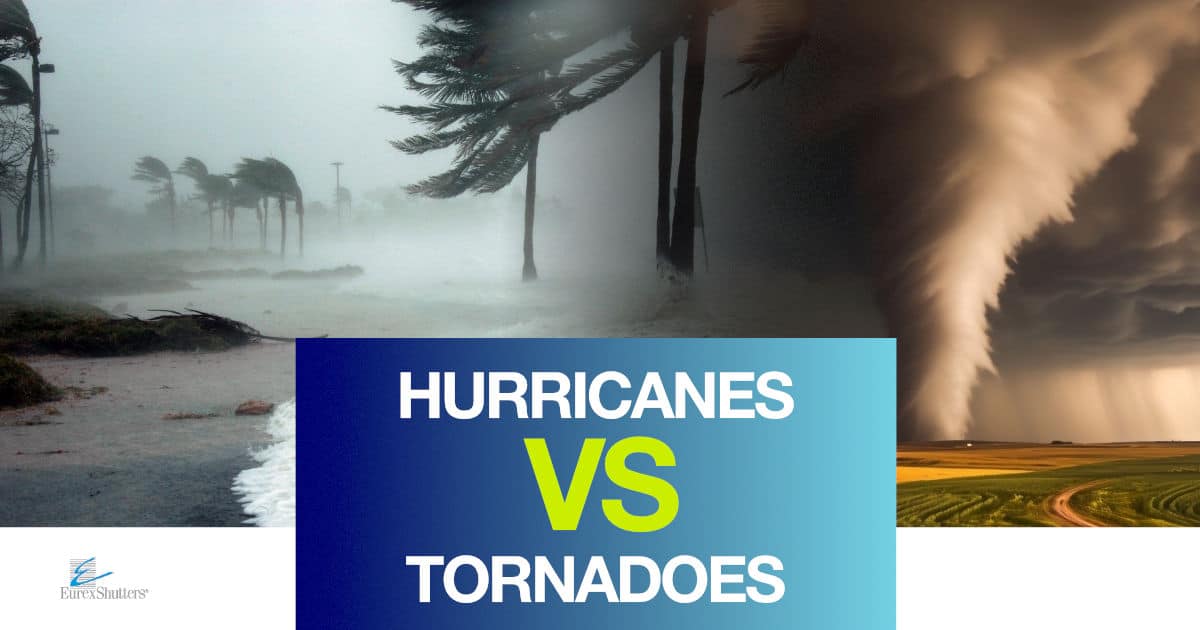
Ever gazed at a colossal hurricane swirling on a weather map and thought, "Is that just a giant tornado doing the cha-cha on the ocean?" It’s a common, perfectly understandable question! Both are mesmerizing, powerful spirals of wind, after all.
But here’s the scoop, delivered with a smile: a hurricane is absolutely
Imagine one is a majestic, slow-motion ballet that takes the stage for weeks, while the other is a lightning-fast, high-octane rock concert that's over almost before you can grab your popcorn. That's the difference right there!
Let's dive into the fascinating world of these weather superstars, starting with the ocean's grand swirl: the hurricane.
A hurricane is like the ocean’s gentle, yet incredibly powerful, giant. It’s born over warm tropical waters, fueled by the steamy breath of the sea itself.
Think of it as a massive engine, constantly sucking up warm, moist air, which then rises, cools, and forms colossal thunderclouds. The Earth's spin, a phenomenon called the Coriolis effect, gives this rising air a fantastic twirl, creating that iconic spiral shape we all recognize.
These behemoths can stretch hundreds of miles across, sometimes even larger than entire states! They live for days, sometimes weeks, on their grand tour across vast stretches of ocean.

Hurricanes are slow-moving dancers, often giving communities plenty of time to prepare for their arrival. While their winds can be devastating, they also bring an incredible amount of rain, sometimes drenching areas for days.
The very heart of a hurricane is its most mysterious feature: the eye. This is a strangely calm, clear center where the sun might peek through, creating an eerie, almost beautiful respite before the storm’s other side hits.
And then there's the land's furious sprinter: the tornado. These are the daredevils of the atmosphere, appearing with startling speed and incredible intensity.
Tornadoes typically form from powerful, rotating thunderstorms called supercells. Inside these stormy giants, hot, rising air and cool, sinking air clash in a dramatic atmospheric wrestle.

This battle, combined with changes in wind direction and speed at different altitudes (what meteorologists call wind shear), can cause a horizontal rotation to tilt vertically. Voila! A menacing funnel cloud begins to descend from the sky.
Unlike hurricanes, tornadoes are much smaller, often only a few hundred yards wide, though some can stretch for a mile or two. Their lifespan is fleeting, often just minutes, sometimes an hour or two at most.
They are pure, concentrated power, like a focused drill bit from the sky. The winds inside a tornado can be far more extreme than even the strongest hurricane winds, reaching speeds of over 300 miles per hour!
The sound of an approaching tornado is legendary, often described as a freight train, a terrifying roar that sends chills down your spine. They strike with little warning, demanding immediate action and quick shelter.
So, what are the big takeaways from this weather showdown? Well, they're practically opposites in many fascinating ways.

Size: A hurricane is a sprawling, marathon runner; a tornado is a compact, Olympic sprinter.
Fuel Source: Hurricanes thrive on the warm breath of the ocean; tornadoes are born from violent atmospheric instability in thunderstorms.
Lifespan: A hurricane’s journey can last for weeks; a tornado’s destructive dance is often over in minutes.
Home Turf: Hurricanes are creatures of the tropical seas; tornadoes are usually land-based, preferring flat plains.
One more fun, surprising fact to cap it all off: while a hurricane isn’t a tornado, a hurricane
That's right! As a hurricane makes landfall, its powerful outer bands, especially in the right-front quadrant, can interact with the land and create enough instability and wind shear to produce smaller, shorter-lived tornadoes.
It’s like the big, slow-moving party host suddenly developing a few fast, furious hiccups. These "mini-tantrums" are often weaker than typical Great Plains tornadoes, but they're still dangerous and add another layer of complexity to hurricane preparedness.
So, the next time you see a swirling storm on the news, you’ll know the amazing difference. Whether it's the grand, majestic ballet of a hurricane or the sudden, intense burst of a tornado, both are incredible demonstrations of our planet's raw power.
They remind us to respect nature’s might, to prepare, and perhaps even to marvel at the sheer, dynamic beauty of the world around us. And no, the hurricane isn't just taking a leisurely swim after a land-based tornado workout!