Let's face it, severe weather can be a bit daunting, but understanding it? That's genuinely fascinating and incredibly useful! Ever wondered how people know when a tornado is brewing, beyond just seeing it on TV? It’s not about being scared; it’s about being smart, observant, and connected to the world around us. Learning how to spot the signs of a tornado isn’t just for storm chasers; it’s a powerful skill that can give you peace of mind and, most importantly, keep you and your loved ones safe. Think of it as learning a secret language from Mother Nature herself – a skill that's surprisingly
This knowledge offers different benefits to different folks. For
There are many myths about tornadoes – like the idea that a "green sky" always means a tornado (it can be associated with severe thunderstorms, but isn't a guaranteed tornado indicator!) or that they can't cross rivers or hills (they absolutely can!). Instead of relying on folklore, we focus on observable, scientific variations in weather patterns. The key isn't necessarily seeing a fully formed funnel cloud descending from the sky, but recognizing the
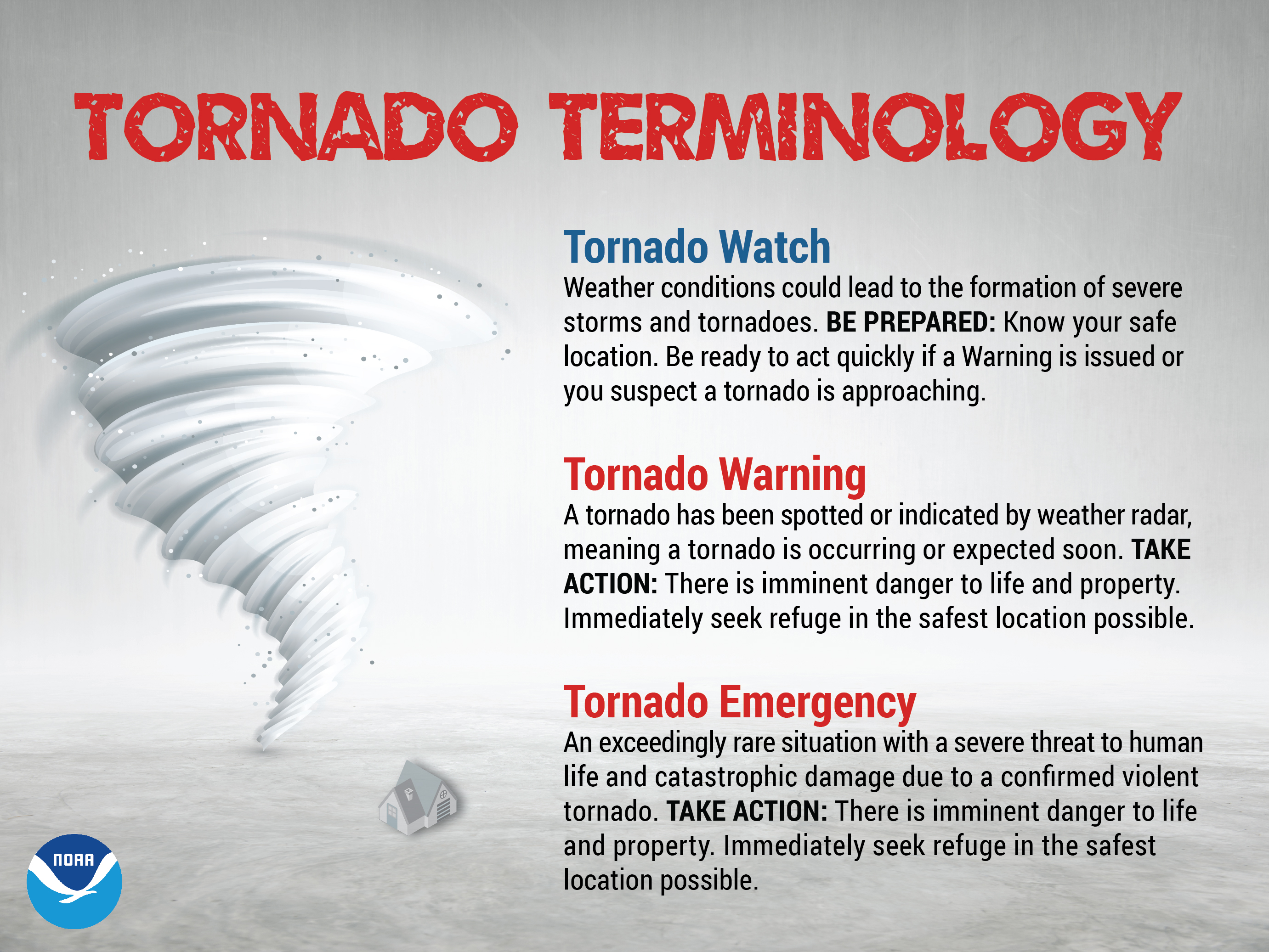
So, how do you actually tell if a tornado is nearby? Here are some simple, practical tips:
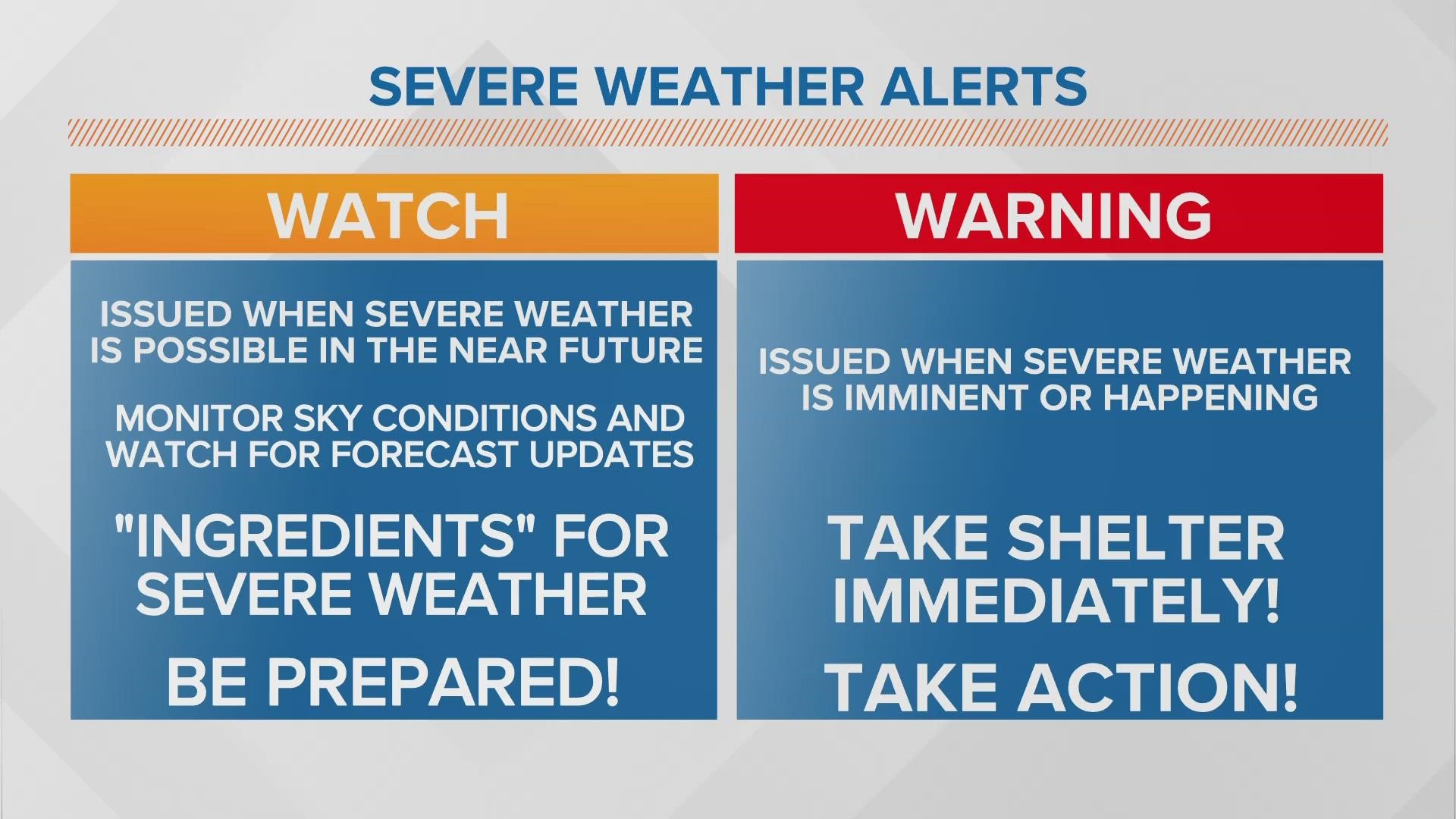
- Heed Official Warnings IMMEDIATELY: This is your absolute first line of defense. Get a
NOAA Weather Radio , download a reliable weather app (like those from the National Weather Service or local news), and pay attention to local broadcasts. If aTornado Warning is issued for your area,take shelter regardless of what you see or hear outside. - Look for a
Rotating Wall Cloud : Before a tornado forms, you might see a lowered, rotating section of a thunderstorm base. It looks like a shelf or pedestal cloud that's spinning. If you see this, and especially if it's persistent, a tornado could be imminent. - Spot a
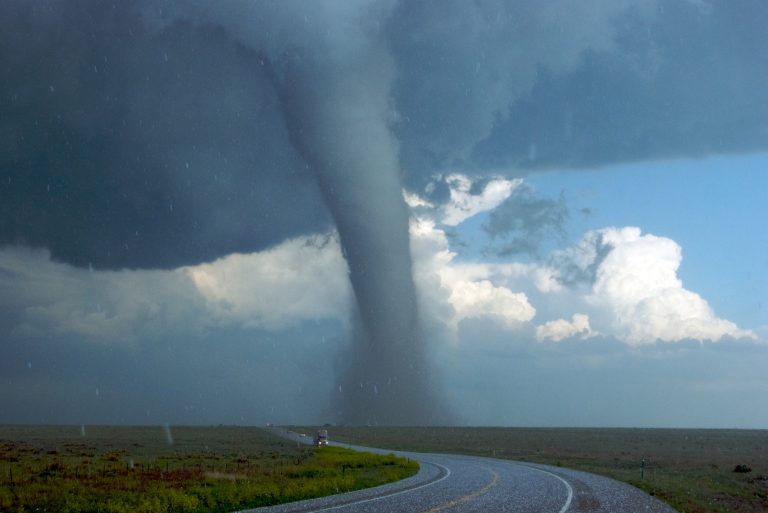
Funnel Cloud : This is a rotating column of air extending from the cloud butnot yet touching the ground . If it touches down, it becomes a tornado. - Watch for
Debris Cloud orGround Swirl : Even if you can't clearly see a funnel (it might be rain-wrapped or obscured by darkness), if you observe a rotating cloud of dust and debris at the ground level, that's a tornado! - Listen for a
Continuous Roar : Many survivors describe the sound of an approaching tornado as afreight train or a jet engine. It's not just strong wind; it's a deep, continuous rumble that intensifies as it approaches. - Pay Attention to Hail and Atmospheric Changes: Large hail often precedes tornadoes. Also, an eerie calm after a period of intense storm activity, or a sudden, drastic shift in wind direction, can be red flags.
Knowing these signs isn't about fostering fear, but about fostering