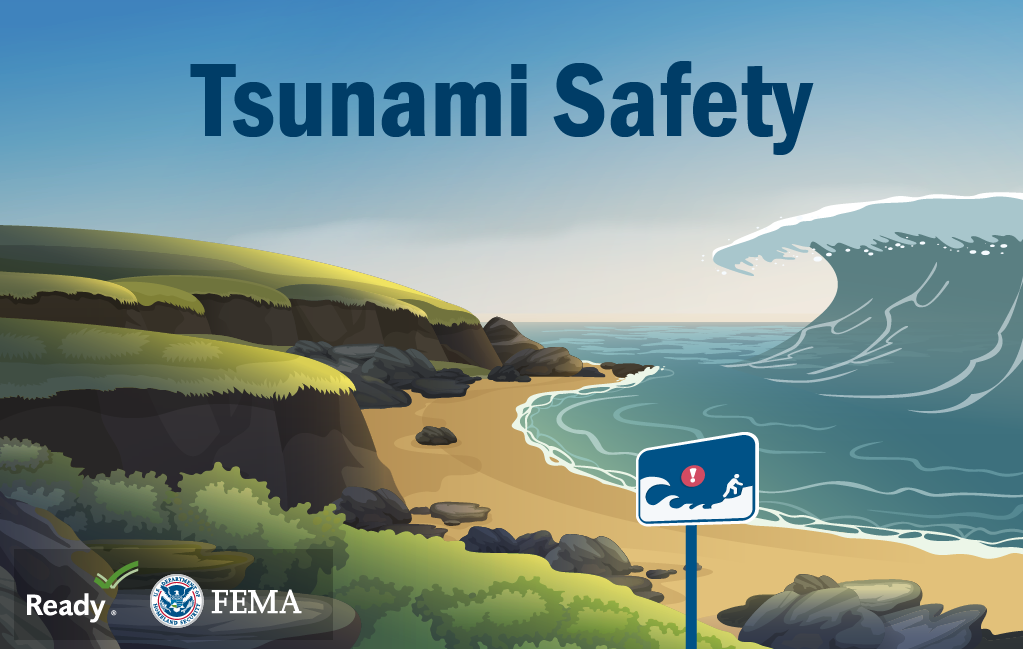
Hey there, coffee buddy! Let’s chat about something a little less glamorous than your next vacation spot, but super important, okay? We’re talking about tsunamis. I know, I know, it sounds like something straight out of a disaster movie, right? But seriously, being clued in can be a total game-changer if you ever find yourself near a coast and things get a bit… wavy. No need to panic, just let's get you in the know, like having a secret superpower for safety!
Wait, What Even Is a Tsunami? (Not Just a Big Wave, Folks!)
First off, let's clear up a common misconception. A tsunami isn't just one gigantic wave that rolls in, does its thing, and then poof, it's gone. Nope! Think of it more like a series of incredibly powerful ocean waves caused by a large-scale disturbance, usually an earthquake under the sea. It's less a surfer's dream wave and more a moving wall of water, often carrying debris and showing up as a rapid rise in sea level. And here’s the kicker: the first wave isn't always the biggest. Seriously, it's like a bad guy in a movie who keeps coming back for sequels. So, rule number one: don't get complacent after the first one.
Okay, So How Do I Know It's Coming? The Sneaky Signs!
Alright, so how do you spot this watery troublemaker? Thankfully, the ocean usually gives us a few clues, though you need to be paying attention. Think of these as nature's emergency broadcast system:
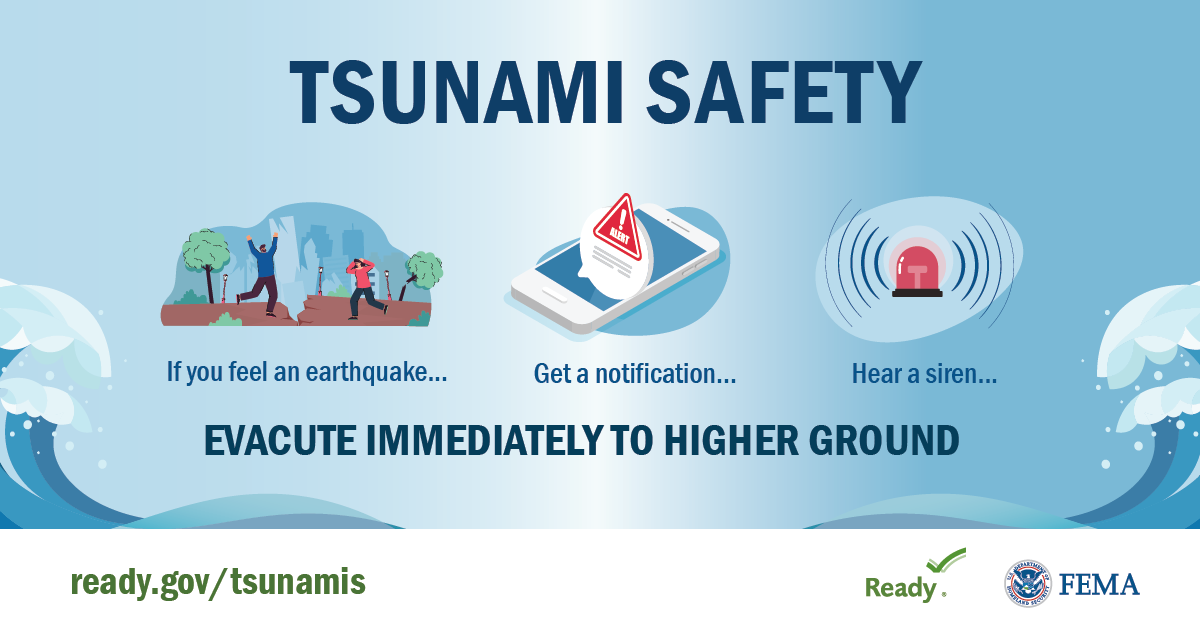
First up, a strong earthquake. If you're chilling near the coast and the ground starts shaking so hard you think your coffee mug is doing the salsa, don't just stand there marveling at geology! That's your first big hint. Earthquakes powerful enough to generate tsunamis are often felt in coastal areas, so if you feel a strong shake that lasts 20 seconds or more, assume the worst and head for higher ground. Better safe than sorry, right?
Next, and this one is super critical: the ocean suddenly recedes. Like, way, way back. We're talking about the water pulling back far beyond the lowest tide mark, exposing the seabed, maybe even fish flapping around where water usually is. Now, your inner curious cat might be screaming, "Go look! Go collect shells!" But trust me, friend, this is not the time to become an amateur marine biologist. This is the ocean drawing back its arm before it throws a punch. It's a massive warning sign that a tsunami is just minutes away. Get out of there, like, yesterday!
And then there's the sound. Some folks report hearing a loud roar, like a freight train or a jet plane, coming from the ocean. If you hear that chilling sound and you're near the beach, your brain should be screaming, "Abort! Abort!" It's the sound of the tsunami itself, barreling towards the shore. Pretty intense, huh?
Beyond nature's whispers, we also have official warnings. Think sirens blaring, emergency alerts pinging on your phone (you know, the ones that sound like the world is ending?), or messages on TV and radio. If you hear one of these, please, please don't snooze through it! They're there for a reason.

Help! It's Happening! What Do I DO?!
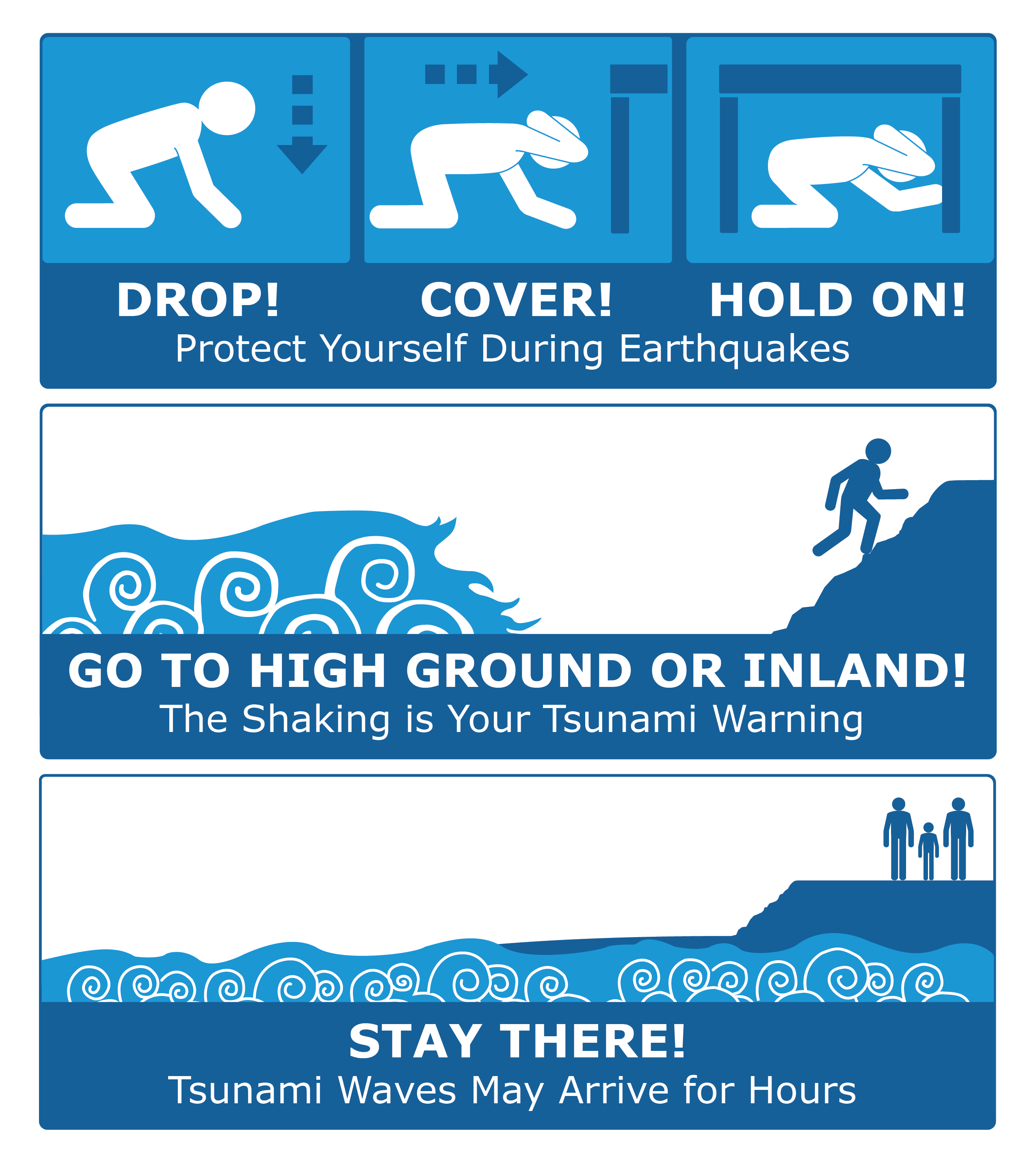
So, you’ve felt the quake, seen the water vanish, or heard the sirens. What’s the move? Simple: get to high ground, immediately! And by immediately, I mean drop everything, grab your loved ones (and maybe your emergency go-bag if it’s literally right next to you), and start moving inland and uphill. Don't waste time trying to pack your entire wardrobe or grab that fancy souvenir seashell you found earlier. We’re talking about minutes, maybe even seconds, here. The general rule is to get at least two miles inland or 100 feet above sea level if you can. The higher and farther, the better. Think "run like your favorite band is giving away free tickets at the top of that hill!"
Seriously, do not go to the beach to watch! I know it sounds absurd, but people have tragically done this. A tsunami is not a spectator sport. It's a force of nature that will sweep you away faster than you can say "Oh snap!"

If you happen to be on a boat when a tsunami warning hits, and you have time, your best bet is to head out to sea, fast! Tsunami waves are much less destructive in deep water, so the further away from the coast you are, the safer you'll likely be. Just make sure you communicate your plans and location, if possible.
Now, worst-case scenario: you’re caught in the water. Try to grab onto something that floats – a tree branch, a door, anything! And try to stay above the debris. This is obviously terrifying, but knowing what to do might just give you that extra edge.
The "After" Party (Not Really, But You Get It)
So, the first big surge of water rolls in and out. Are you safe to head back? Absolutely NOT! Remember what we said earlier? Tsunamis are a series of waves. The first one might just be the warm-up act. There could be multiple waves, and sometimes the biggest and most destructive ones arrive hours later. It’s like waiting for all the guests to leave before cleaning up after a party, right? You wait for the official "all clear" from authorities. Don't be that person who goes back too soon and gets caught in the next, even bigger, wave. Patience is a virtue, especially after a tsunami.
Pro-Level Preparedness (For the Overachievers!)
For those of us who like to be extra prepared, here are a few bonus tips:
- Know your evacuation routes: If you live or vacation in a coastal area, know the designated tsunami evacuation routes. They’re usually marked with handy signs.
- Have a communication plan: Discuss with your family how you’ll contact each other if separated. Cell service might be down.
- Build a go-bag: You know, the one with water, non-perishable food, a first-aid kit, copies of important documents, and a flashlight. Keep it ready by the door!
- Stay informed: Pay attention to local weather and emergency alerts. Knowledge is power, my friend!
Alright, so that’s the lowdown on staying safe from a tsunami. It’s not about fear, it’s about empowerment through knowledge. Now you’ve got the info, you’re ready to react if, heaven forbid, you ever need to. Go forth, be safe, and enjoy that coffee! We're done with the heavy stuff for today.