
Ever fantasized about a world where energy is as clean as a fresh spring morning, with nothing but pure water as a byproduct? Sounds like something out of a sci-fi blockbuster, right? Well, buckle up, because we're diving into the fascinating, surprisingly accessible world of the hydrogen fuel cell. It's not just for rocket scientists anymore; understanding the basics is totally within reach, and frankly, pretty cool.
What's the Buzz About Hydrogen?
Imagine powering your gadgets, your home, or even your car with an endless supply of the most abundant element in the universe. That's hydrogen for you! Unlike burning fossil fuels, a hydrogen fuel cell generates electricity through a chemical reaction, not combustion. The only emission? H2O – good old water! It's like a tiny, personal power plant that sips hydrogen and exhales refreshment.
Think of it as the ultimate clean energy comeback kid, ready to take the baton from batteries. While batteries store energy, a fuel cell generates electricity continuously as long as it has fuel. It’s the difference between a water tank and a running river.
The "Magic Trick": How it Works (Simply!)
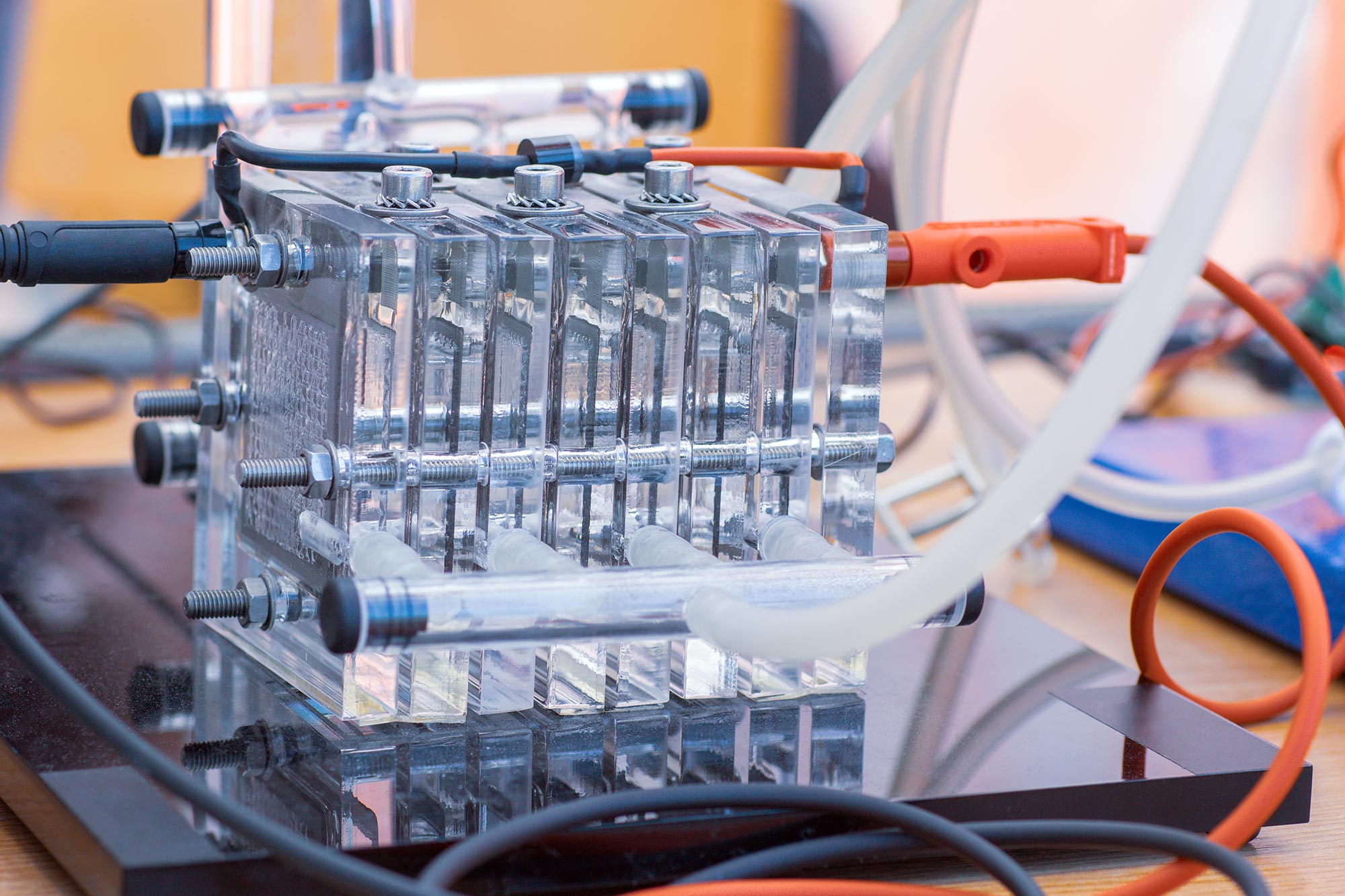
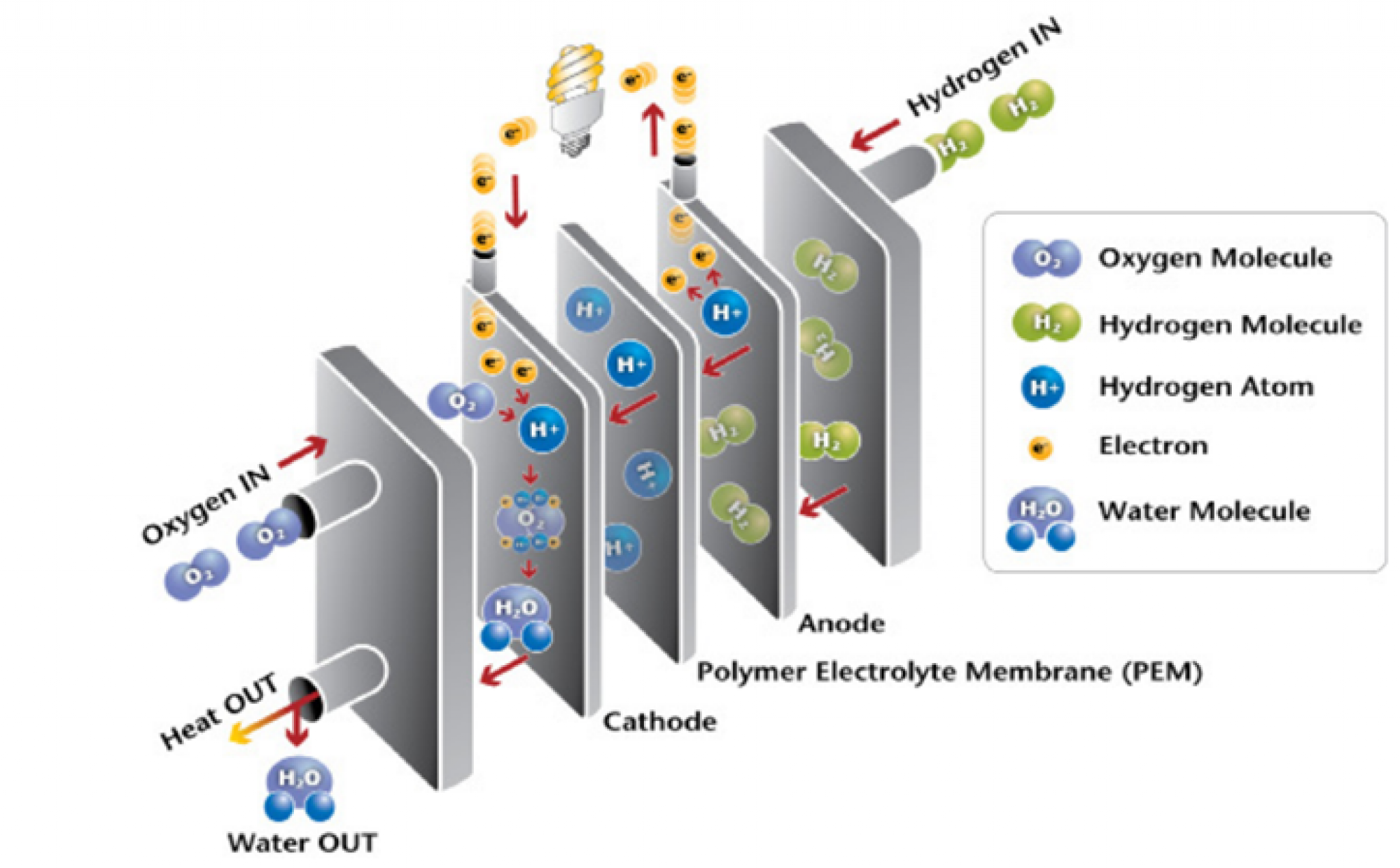
At its heart, a hydrogen fuel cell is an electrochemical device. Don't let the big words scare you! It’s essentially a clever sandwich with three main layers:
- Anode: The negative side, where hydrogen goes in.
- Cathode: The positive side, where oxygen (from the air!) goes in.
- Electrolyte (Proton Exchange Membrane - PEM): The special sauce in the middle, which only lets protons pass through.
Here’s the dance: Hydrogen atoms split at the anode, releasing electrons and protons. The electrons take the scenic route through an external circuit – that’s your electricity! Meanwhile, the protons bravely push through the PEM to the cathode. There, they meet up with oxygen and those returning electrons to form… you guessed it, water!
DIY Spirit: Getting Your Hydrogen (Safely!)
Before you can fuel a cell, you need hydrogen. In a lab, this often comes from pressurized tanks, but for a fun, hands-on demonstration, you can actually make hydrogen from water yourself through a process called electrolysis. It’s a classic science fair trick!
Here’s the super-simplified version:

Grab a 9-volt battery, two pencils (graphite makes decent electrodes!), some wires with alligator clips, and a glass of salty water. Submerge the pencil tips (stripped of wood at the ends), connect them to the battery, and watch tiny bubbles appear. One side will produce hydrogen, the other oxygen. Voila! You're literally splitting water. Remember: this is for small-scale demonstration only. Never collect or store hydrogen in an enclosed space without proper equipment and ventilation. It's highly flammable!
Assembling Your Mini Power Plant (The Conceptual Build)
Building a high-efficiency fuel cell from scratch at home is a significant engineering feat, but understanding the principles through a conceptual build is incredibly enlightening. For a basic demonstration, you'd be looking for materials that mimic the key components:

What you might need for a very basic conceptual demo:
- Electrodes: Think carbon paper or graphite plates (again, pencils can be a starting point for understanding).
- Catalyst: This is the tricky bit. Real fuel cells use platinum, which is expensive. For a simplified model, you might use specially coated carbon paper that acts as a catalyst for the chemical reactions.
- Proton Exchange Membrane (PEM): This is a very specific type of material. For educational kits, often a specialized polymer sheet is used.
- Seals and Enclosures: To keep hydrogen and oxygen separate and ensure no leaks.
The goal isn't to power your entire house (yet!), but to illustrate how hydrogen and oxygen, with the right setup, can generate a small current. Many educational kits exist that let you snap together a mini fuel cell and light a tiny LED – it’s a brilliant way to see the magic firsthand.
Safety First, Always!
While exploring the wonders of hydrogen, safety is paramount. Hydrogen is highly flammable. Always work in a well-ventilated area, avoid open flames or sparks, and never try to collect or store hydrogen at home in anything other than purpose-built, certified containers. This article is about understanding the principles in a fun, educational way, not building industrial-grade equipment!
The Big Picture: Why It Matters
From powering NASA's space shuttles since the 1960s to modern-day hydrogen fuel cell vehicles hitting the roads in places like California and Japan, this technology isn't just a pipe dream. It's a tangible step towards a sustainable future. Imagine a world with zero-emission vehicles, quieter cities, and energy independence. That's the promise of hydrogen.
A Daily Dose of Future-Forward Thinking
So, next time you fill up your car, or even just boil a kettle for your morning tea, take a moment to ponder the incredible ways we harness energy. Understanding the hydrogen fuel cell isn't just about science; it's about appreciating ingenuity, embracing innovation, and perhaps, inspiring a little spark of curiosity for how we might live in a greener, cleaner world. Who knows, maybe one day your coffee maker will be powered by a silent, water-producing fuel cell!