Alright, folks, let's talk about the humble boiled egg. Delicious, nutritious, and incredibly versatile… if only it didn't sometimes leave your kitchen (and your fridge) smelling like a forgotten science experiment. You know the smell. That unmistakable, slightly sulfuric aroma that lingers a little too long, making you wonder if your dog just had a particularly rough morning, or if you accidentally left something truly questionable in the back of the fridge. We've all been there, peering in, wondering which innocent item is betraying us with that pungent wave.
It’s a shared experience, isn't it? The hopeful anticipation of a perfectly peeled egg, only to be hit with that familiar whiff. And let's not even get started on the dreaded green ring. That tell-tale greenish-grey halo around the yolk that screams, "I was overcooked!" But fear not! We can conquer this olfactory challenge. It's not about giving up boiled eggs; it's about treating them with a little more finesse. Think of it less as cooking and more as a delicate culinary dance.
The Stink Science (The Quick Bit)
So, why the stink? Not the egg trying to annoy us, just simple chemistry. Eggs contain sulfur (in the whites) and iron (in the yolks). Cook too long, especially hot, and these two create hydrogen sulfide gas. And guess what hydrogen sulfide gas smells like? Yup, that distinctive "rotten egg" aroma. The green ring is just the visual proof. Our mission: prevent this chemical party from ever getting out of hand.
Step 1: The Goldilocks Cooking Time
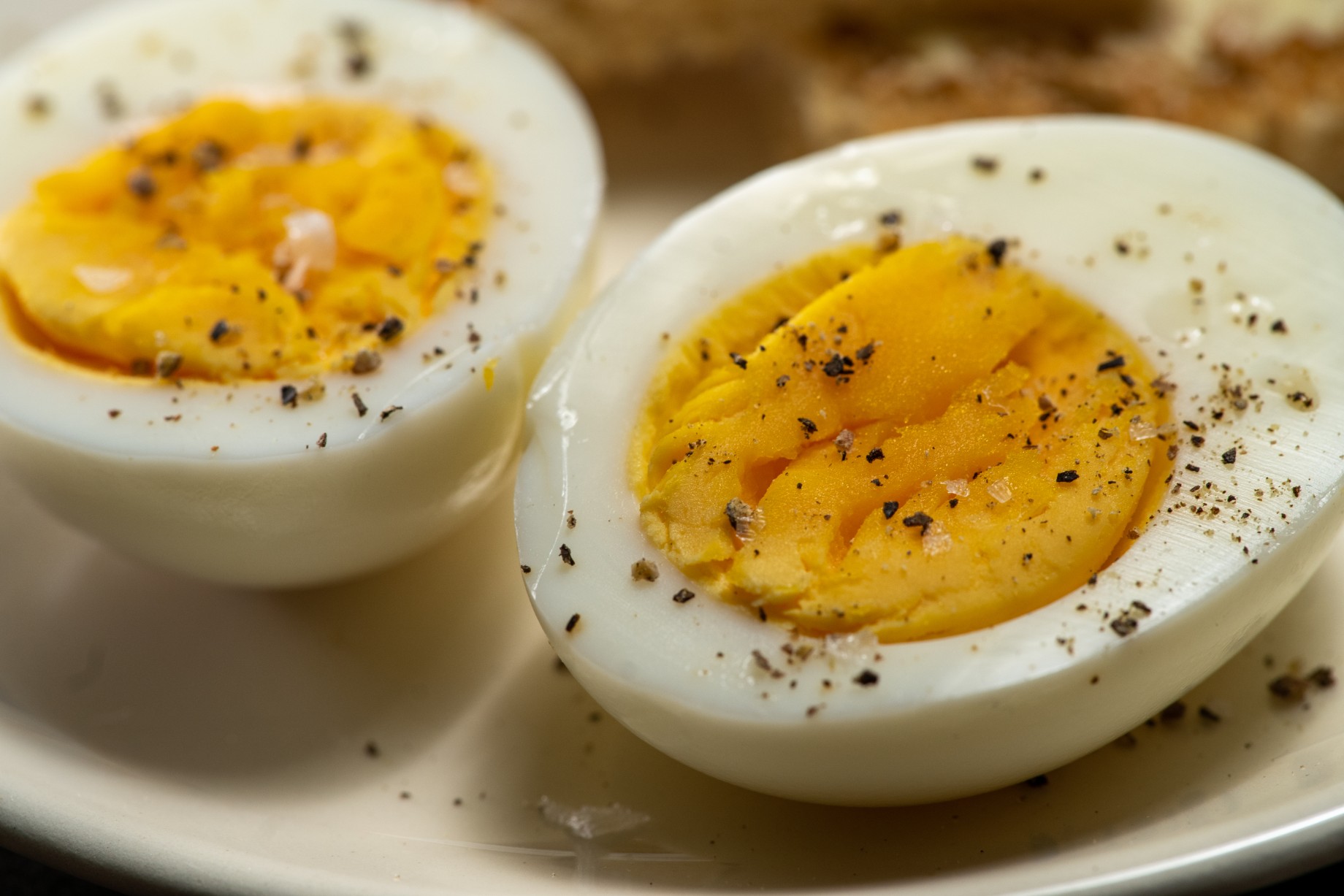
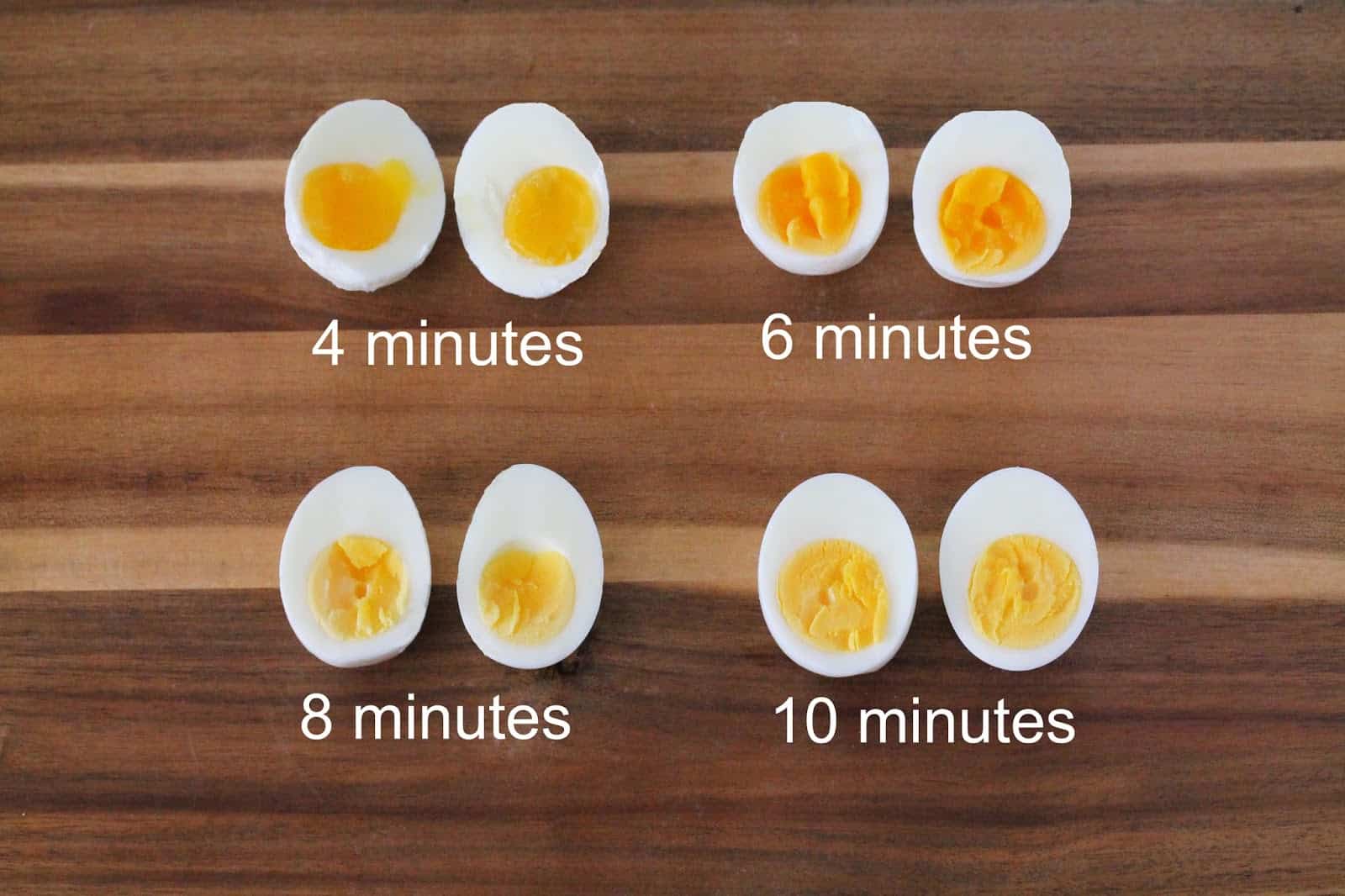
This is arguably the most important step. Don't boil eggs into submission! An egg doesn't need to be in a hot tub for half an hour. For perfect, non-smelly eggs, we're aiming for a gentle simmer. Here’s the drill: place eggs in a pot, cover with about an inch of cold water. Bring to a rolling boil. Once it hits that boil, immediately turn off the heat, cover the pot, and let the eggs sit. For soft-boiled, 6-7 minutes. For perfectly firm, non-smelly hard-boiled, 9-12 minutes is your sweet spot. No longer! Any more and you're inviting those sulfur party crashers. Set a timer! Seriously, treat it like it's guarding your nose.
Step 2: The Cold Shock (Ice Bath!)
As soon as that timer shrieks, act fast. Immediate extraction! Plunge those eggs into an ice bath. I mean a proper, frosty plunge—like an arctic blast for your eggs. This isn't just to cool them down for peeling; it stops the cooking process dead in its tracks. It prevents lingering heat from giving sulfur and iron more time to mingle. It's like hitting the "abort" button on the stink bomb. Let them hang out for at least 5-10 minutes, or until cool. This quick cool-down is your secret weapon against the green ring of shame and lingering trouble.

Step 3: Freshness & Smart Storage
While an ice bath is crucial, starting with not-too-fresh, not-too-old eggs helps. Eggs that are about a week old often peel beautifully and hold their freshness well. Once cooked and chilled, how you store them matters. Don't just toss them back into the carton, letting their subtle scent waft through your fridge. Instead, peel them (or don't, your call) and stash them in an airtight container. This acts like an odor-proof vault, keeping any potential smells contained. It’s a simple act of respect for your culinary ecosystem.
No More Stinky Egg Surprises!
So there you have it! A few simple tweaks to your egg-boiling routine and you’ll be a certified boiled egg whisperer. No more apologizing to housemates, no more opening the fridge door with trepidation, and definitely no more green rings judging you. Just perfectly cooked, glorious, and odor-free boiled eggs ready to elevate your meals. Go forth, boil eggs with confidence, and let your taste buds rejoice, not your nose recoil!