
Alright, grab your favorite mug, settle in, because we need to have a little chat about something that's super unglamorous but totally essential for your home comfort: your AC drain line. Yeah, I know, not exactly thrilling dinner party conversation, right? But trust me, ignore this little guy, and you'll be singing the blues faster than you can say "water damage." Ever walked into a perfectly cool room only to spot a suspicious puddle under your AC unit? Or maybe heard that weird, persistent gurgling sound that makes you go, "Uh-oh, what now?"
And when your AC drain line gets all backed up, it’s not just a minor inconvenience; it can quickly become a soggy nightmare. We’re talking potential ceiling damage, ruined floors, nasty mold smells, and a general feeling of homeowner dread. But don't you worry your pretty little head! We're gonna get you sorted. Keeping that drain line clear is surprisingly simple, and I'm here to tell you how.
The Slimy Culprit: What's Clogging Your Comfort?
So, what exactly is the big bad villain behind this plumbing drama? Mostly, it’s a revolting cocktail of algae, mold, mildew, dust, and general household gunk. Think of it like a tiny, gross, biological science experiment happening right inside your AC unit. Every time your air conditioner runs, it pulls humidity out of the air – that lovely, crisp, dry feeling we all adore, right? That collected moisture (the condensate, if we’re getting technical) needs a clear path to drain away. But those tiny invaders? They absolutely love that damp, dark environment. They set up shop, throw a little party, and before you know it, the whole pipe is like a clogged straw. Annoying, right? It’s truly a silent, slimy saboteur.
When Things Go Wrong: The Dreaded Drip!
And what happens when your AC’s internal plumbing gets congested? Well, if that water can't drain, it's gotta go somewhere. And "somewhere" usually means overflowing the drain pan, leaking all over your ceiling, dribbling down your walls, or soaking your beloved hardwood floors. Not only is it a soggy, smelly mess (hello, mold!), but excess moisture can also damage your AC unit itself. Some smart AC systems even have a safety switch that’ll just shut the whole thing down if the pan gets too full. Cue the sweltering summer nights and rapidly rising panic levels!
Solution 1: Prevention is Key! (Your AC's Spa Day!)
Alright, enough doom and gloom! The really good news is that keeping that drain line clear is actually pretty simple. Like, "I can totally do this on a Saturday morning with my coffee and a podcast" simple. It's all about being a little proactive.
Regular Flushing: Your AC's Little Cleanse
Think of this as giving your AC a refreshing detox. Grab some plain old distilled white vinegar (don't use the fancy apple cider stuff, we're not making salad dressing here!). Vinegar is a mild acid that’s great at killing mold and mildew without damaging your pipes. Or, if you're feeling a bit more aggressive, a small amount of diluted bleach works too – maybe a quarter cup bleach to a gallon of water. Some folks even just use hot water, but vinegar or bleach adds that extra "oomph" to really tackle those slimy invaders.
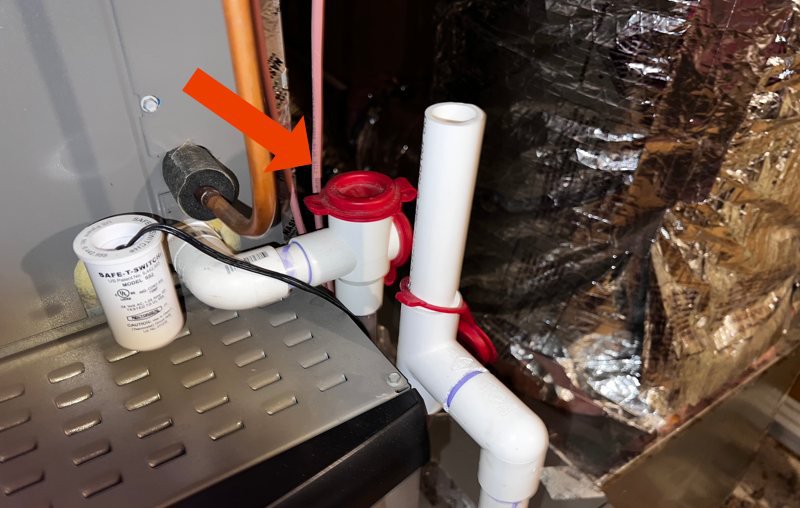
Here’s the drill: Find your AC’s drain line access point. It’s usually a PVC pipe sticking out near your indoor unit, often with a little cap you can twist off.
Drain Pan Tablets: Little Magic Pills!
These tiny tablets are like little superheroes for your AC, fighting slime before it even thinks about forming. You just drop one or two into your drain pan (the flat tray underneath your indoor coil) every few months. As water condenses, the tablet slowly dissolves, releasing chemicals that actively prevent algae and slime from growing. It's almost like magic, but, you know,
Solution 2: When It's Already Clogged (Oh dear!)
Okay, so maybe you missed a flush or two (no judgment here, we’ve all been there!). Or perhaps you just moved into a new place and inherited a neglected drain line. Don't panic! We can still tackle this.
The Wet/Dry Vac: Your Hero in a Hose!
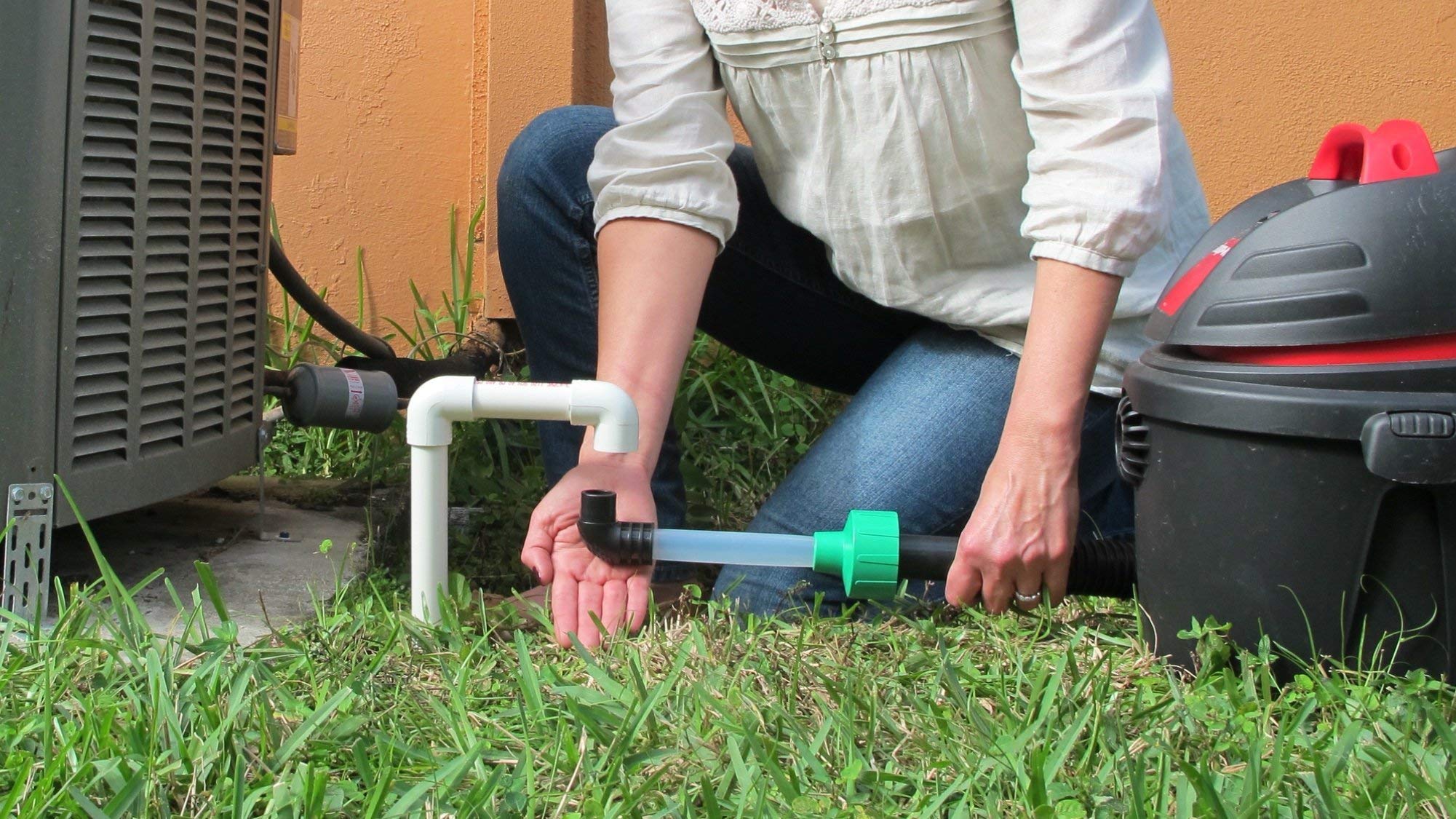
This is probably the most common and effective DIY method for a clogged line. You’ll need a wet/dry shop vacuum – the kind that can suck up liquids. Locate the exterior end of your AC drain line. It's usually a small PVC pipe sticking out from your house, often near your outdoor condenser unit, or sometimes discreetly over a flower bed. (Just make sure it's definitely the AC drain line and not something else, like a pressure relief valve for your water heater!).
Now, here's the fun part: create a tight seal between the wet/dry vac hose and the drain line. You can use duct tape, an old rag, or even just your gloved hand if you can get a good enough seal. Turn on the vacuum and let it run for a few minutes. You should hear it sucking, and hopefully, you'll see (or hear) a gush of nasty water and gunk being pulled out. It's strangely satisfying – like the gurgle of victory! Repeat if necessary. This creates a powerful suction that can pull out even stubborn clogs. Prepare to be grossed out, but also immensely proud.
The Drain Snake: For the Really Stubborn Ones (Use with Caution!)
If the wet/dry vac doesn't quite do the trick, and you're feeling particularly brave, a small, flexible drain snake (the kind for sinks) can sometimes work. However, proceed with caution! AC drain lines are often flexible PVC or even just thin plastic, and you absolutely

DIY vs. Pro: When to Call the Big Guns
Look, we all love feeling like handy heroes, but there's a limit, right? If you've tried the above and the line is
Maintenance Schedule: A Quick Recap for a Cool Home!
So, to keep your cool all summer long and avoid those dreaded drips, here’s your super-simple action plan:
- Monthly/Bi-monthly: Flush your drain line with vinegar or a diluted bleach solution.
- Every few months: Drop in a drain pan tablet – set it and forget it!
- Annually (or when troubleshooting): Use a wet/dry vac on the exterior drain line.
- When in doubt: Call your friendly neighborhood HVAC technician!
See? It's not so scary after all! A little proactive care goes a long,