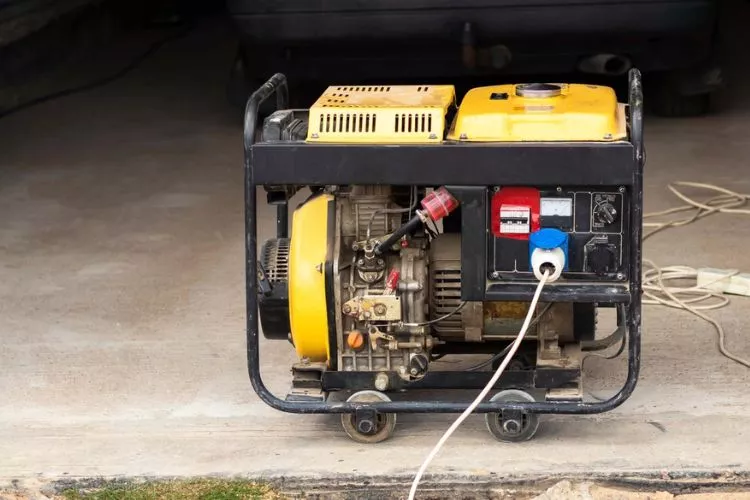
Ah, the trusty generator. A beacon of hope when the lights go out, a rumble of power in a silent storm. But then comes the thought, looming like a thundercloud: “How do I drain the gas?” It sounds like a task reserved for seasoned mechanics or those who speak fluent engine-ese. Well, here's a little secret, an unpopular opinion if you will:
It’s not. It’s really not that scary. In fact, it's probably easier than untangling a set of holiday lights.
Let's make this less of a chore and more of a quirky adventure, shall we?
Gear Up, Captain!
Before you dive into your mechanical masterpiece, a few simple things. First, make sure your generator is completely, utterly, absolutely OFF. We're talking silent, cold, and not even dreaming of starting. Safety first, friends! No heroics involving warm engines and flammables. Also, grab some gloves. Your hands will thank you later. And find a good spot. Somewhere well-ventilated is ideal. We’re going to be dealing with gasoline, after all, and while it smells adventurous, it's best enjoyed outdoors.
Now, for your trusty sidekicks. You'll need a couple of basic tools. A screwdriver (usually a Phillips head, maybe a flathead too), and perhaps some pliers. Nothing fancy from a special generator draining kit you saw online for a million dollars. Just the everyday stuff. Oh, and most importantly, a proper catch can. This isn’t the time for grandma’s antique vase. Get a container specifically designed for fuel, or at least a sturdy plastic jug that won't dissolve or leak. Remember, we’re aiming for clean fun, not a regrettable puddle on your driveway.

The Great Gas Escape: Carburetor Chronicles
This is where the magic (and a little bit of playful daring) happens. First things first, locate the fuel valve. On most generators, it’s a small lever near the bottom of the fuel tank or near the engine itself. Your mission, should you choose to accept it, is to turn this valve to the OFF position. This is super important. We want to stop the flow of gas from the tank to the rest of the system. Think of it as hitting the pause button on the fuel supply.
Next up: the carburetor. This often-misunderstood part is usually nestled somewhere beneath the fuel tank, a small metallic assembly. It looks a bit like the engine's mini brain. On the bottom of this little brain, you’ll find a tiny screw – often called the carburetor drain screw. Yes, there's a screw specifically for this purpose! How wonderfully convenient. It’s like the engineers knew you’d want to tackle this task with ease.
Position your sturdy catch can directly underneath this drain screw. Get it snug. You don't want any rogue drops making a break for it. Now, with your screwdriver, slowly and carefully loosen that screw. You don't need to take it all the way out – just enough for the gas to start its gentle journey downwards. You'll hear a little hiss, and then a steady stream of that yellow liquid gold will start flowing into your catch can. It’s surprisingly satisfying to watch. Let it all drain out. Every last drip from the carburetor and the fuel line connected to it. This method helps clear out the fuel from the engine's internal workings, which is a pretty smart move.

Once the stream dwindles to nothing, and you’re sure it’s done its thing, gently tighten the carburetor drain screw back up. Not ridiculously tight, just snug. We're not trying to win a weightlifting competition here, just secure it so it doesn't leak. Give it a gentle wipe with an old rag, just to feel extra professional.
Optional Extra Credit: Emptying the Tank (If You Dare!)
Sometimes, you might want to get even more gas out, directly from the main gas tank. This is where a syphon pump can be your best buddy. It’s a simple hand pump with a couple of hoses. No complicated wizardry here.
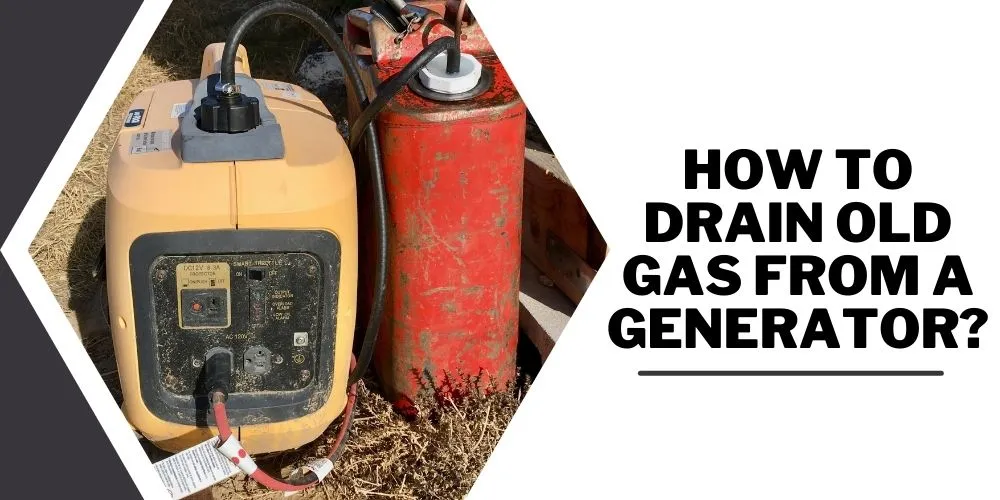
Take one end of the syphon pump's hose and carefully insert it into the generator's gas tank opening. Guide it down until it's near the bottom. The other end of the hose goes into another catch can (or the same one, if it’s big enough and you're good at multitasking). Make sure this catch can is placed lower than the generator’s fuel tank. Gravity is our silent, powerful helper in this step!
Now, just start pumping! It’s like a mini arm workout. You'll see the gasoline being pulled up and out of the tank, flowing merrily into your container. Keep pumping until the tank is as empty as you can reasonably get it. When you’re satisfied with your fuel-siphoning prowess, carefully remove the syphon pump and close up the gas cap.
Victory Lap!
Look at you! You've successfully drained your generator. Give yourself a moment of quiet pride. You navigated the mysterious world of fuel lines and carburetors with aplomb. See? No explosions, no frantic calls to a mechanic, just a few simple, straightforward steps. It's less of a daunting mechanical task and more like a satisfying puzzle. You've tamed the generator beast. Now go forth and conquer your next small home maintenance challenge with a smile. You've earned it!
