Okay, so picture this: You're chilling with your friends, someone pulls out their phone to show off the most epic fail video they just stumbled upon, or maybe a hilarious meme that’s too good not to share. Everyone huddles around the tiny screen, squinting, trying to catch the action. Someone inevitably says, "Ugh, I wish we could see this on the big screen!" And you know what? That’s exactly how I felt a few years back, desperately trying to share holiday photos with my family on a phone display barely larger than a credit card. It was a digital wrestling match, I tell you!
Sound familiar? If you've ever thought, "There has to be a better way to get this awesome cat video/important presentation/epic gaming session from my phone onto the TV," then my friend, you've come to the right place. Because guess what? There absolutely is, and it's often way easier than you think. Forget the days of squinting; it's time to go big!
The Wireless Wonderland: Casting and Mirroring
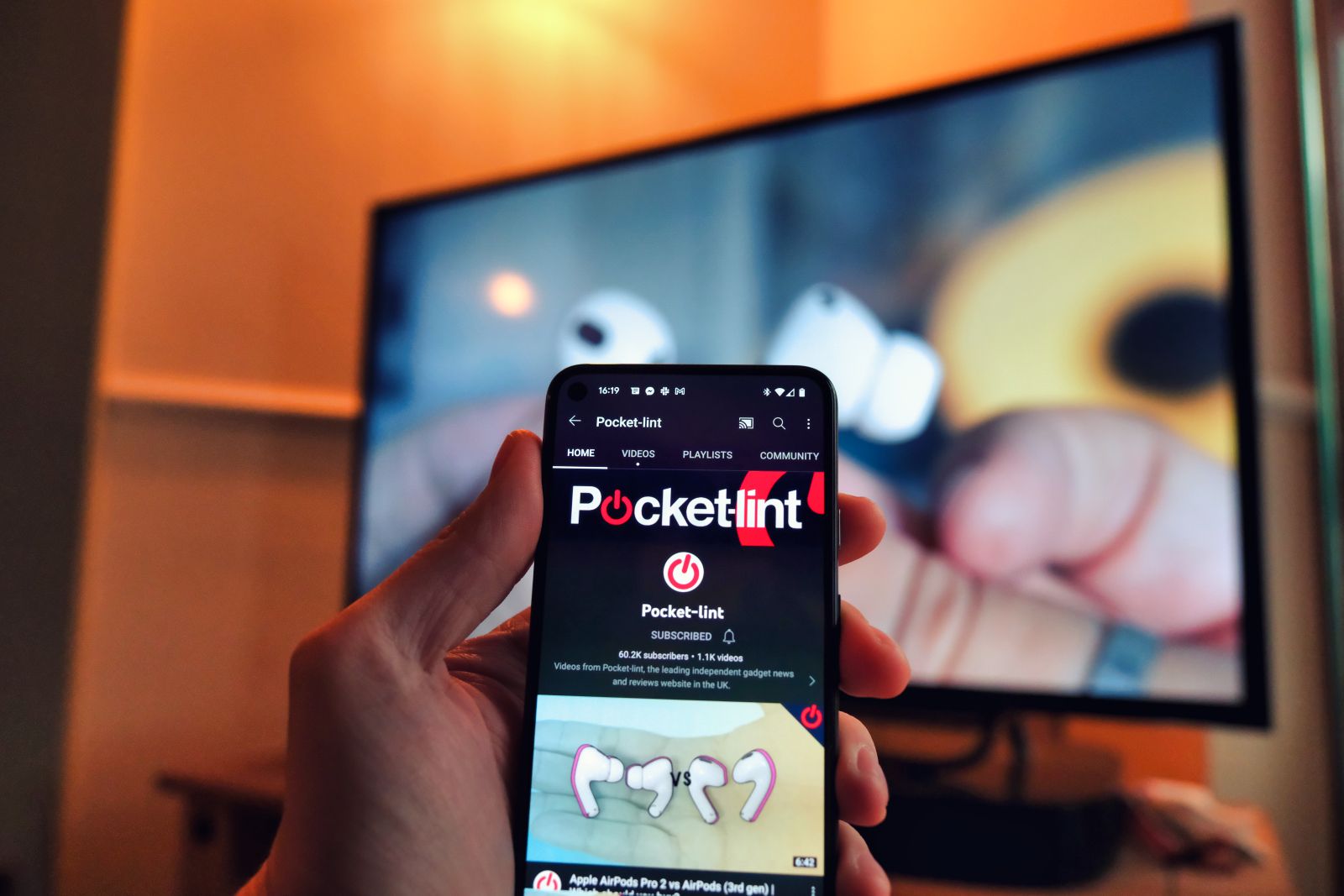
Let's kick things off with the magical world of wireless connections. This is usually the go-to for most people these days, and for good reason: no messy cables! It's like your phone and TV have a secret handshake, and all you need is a decent Wi-Fi network.
Chromecast & Google TV: Your Friendly Neighborhood Streamer
If you have a
Pro tip: Make sure both your phone and your Chromecast (or smart TV) are connected to the same Wi-Fi network. This is like rule number one of wireless casting club!
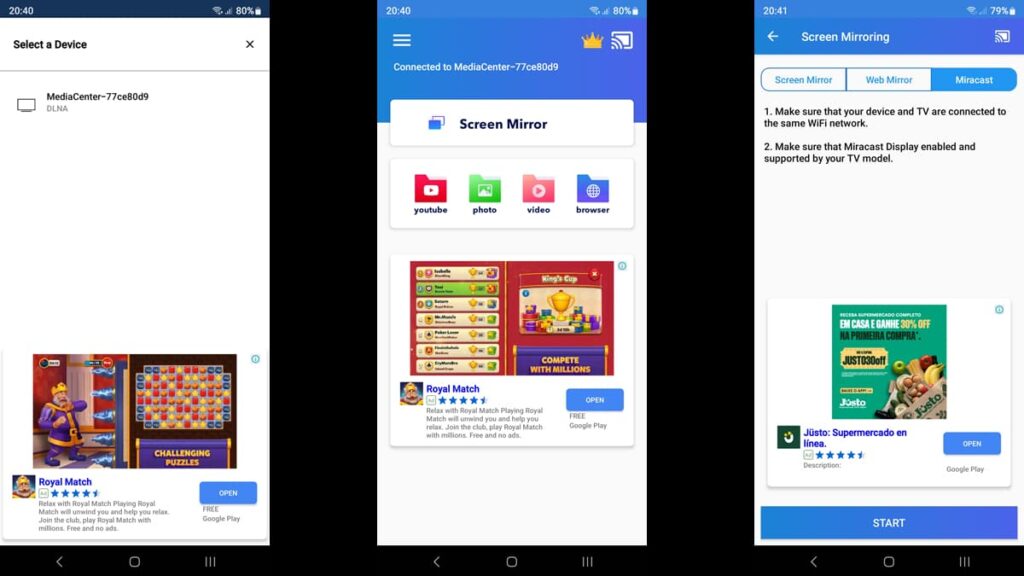
Apple AirPlay: For the i-Fans
Got an iPhone, iPad, or Mac? Then
Screen Mirroring & Miracast: The Universal(ish) Option
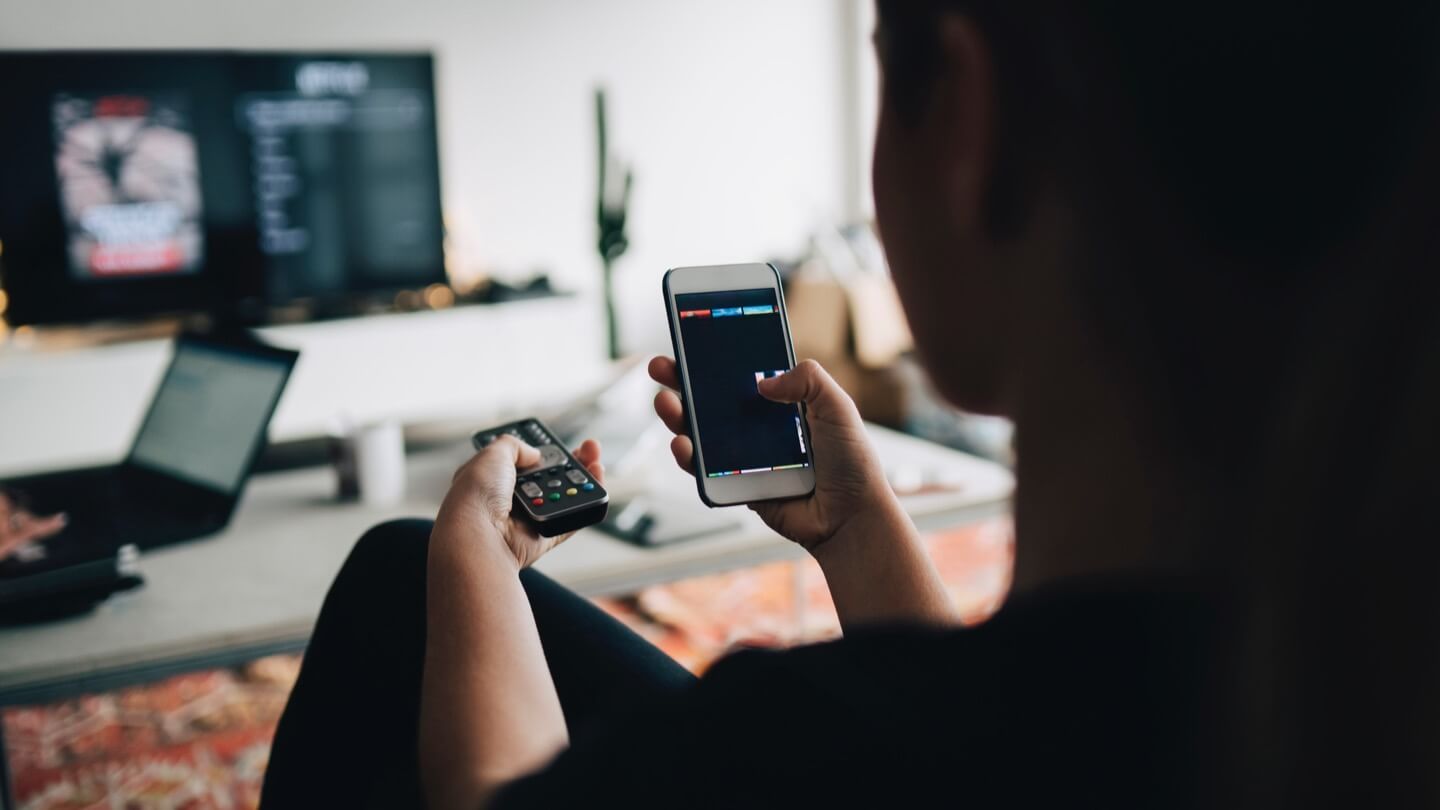
Many smart TVs, especially those running Android TV or offering their own smart platforms (Samsung's Smart View, LG's Screen Share, etc.), have built-in screen mirroring capabilities, often powered by something called
The Good Old Cable Way: When Wireless Isn't an Option
Sometimes, Wi-Fi is flaky, or you're in a place without a smart TV. Fear not, because the trusty cable connection is still a thing! It's less flashy, perhaps, but often more reliable and requires no internet.
HDMI Adapters: The Dongle Life
This is the most common wired method. You'll need an adapter that plugs into your phone's charging port (usually USB-C for Androids, or Lightning for iPhones) and has an HDMI output. You then connect a standard HDMI cable from the adapter to your TV's HDMI input. Plug and play, baby!
- For newer Android phones with USB-C, look for a "USB-C to HDMI" adapter. Make sure your phone supports "DisplayPort Alt Mode" over USB-C for this to work. Most flagship phones do!
- For iPhones, you'll need Apple's "Lightning Digital AV Adapter." It's a bit pricey, but it does the job flawlessly.
The beauty of this? No lag, no network issues, just a direct, crisp picture. You might need to plug a charging cable into the adapter itself to power it, or to charge your phone while it’s connected, because mirroring can drain your battery faster than a kid on a sugar rush.
MHL: An Older Standard You Might Encounter
Some older Android phones and TVs used a standard called
So, Which Method Is Best For You?
Honestly, it depends! If you have a smart TV and a good Wi-Fi network, wireless casting/mirroring is probably the most convenient and clutter-free option. If you need a rock-solid connection for gaming or don't have a smart TV (or Wi-Fi), a wired HDMI adapter is your best bet.
Don't be afraid to experiment! Chances are, one of these methods will work perfectly for you. Soon, you'll be showing off those vacation photos, streaming your favorite shows, or even giving presentations right from your pocket, all on the glorious big screen. No more huddling, no more squinting. Just pure, unadulterated big-screen goodness. You're welcome!