Ever dreamt of forging metal, repairing that wobbly garden gate, or maybe even creating some awesome metallic art? Welding is one of those incredibly satisfying skills that lets you bring your creative visions to life or simply fix things around the house with a sturdy, permanent bond. It’s a bit like having a superpower, turning sparks and heat into something tangible. But just like any superpower, you need the right gear to wield it safely and effectively. That’s where choosing a welding helmet comes in – it’s not just a piece of safety equipment; it's your window into a dazzling, molten world, and picking the right one is actually pretty fun!
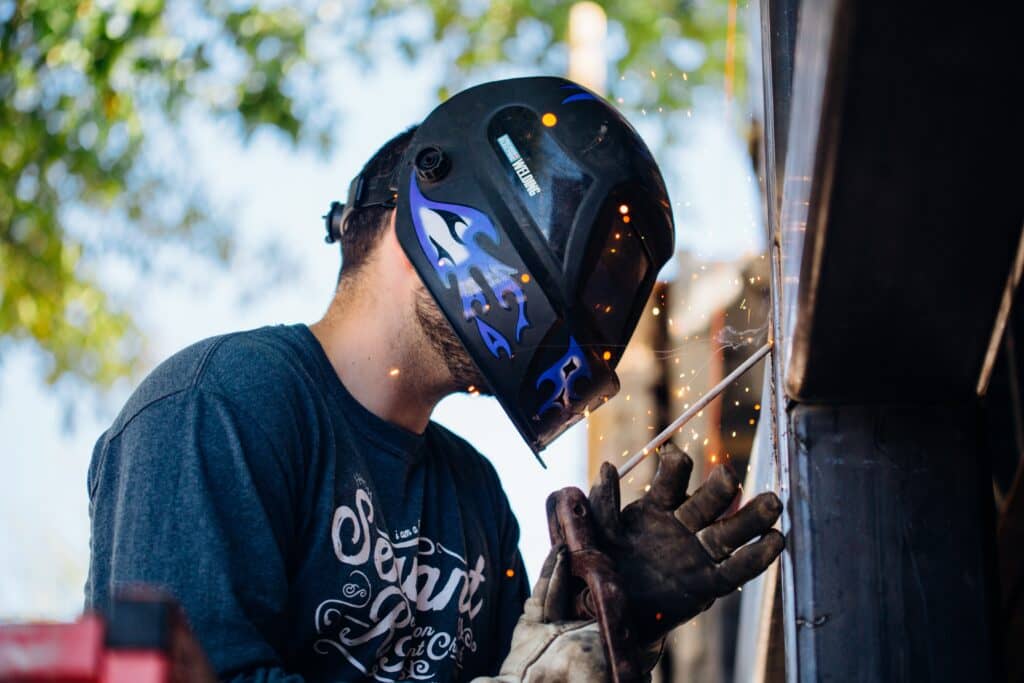
For beginners, a good welding helmet is your best friend. It provides crucial protection for your eyes and face from intense UV/IR radiation, sparks, and spatter. Learning to weld can be intimidating, but knowing your eyes are safely guarded lets you focus on technique and getting that perfect bead. For hobbyists or families looking to tackle DIY projects, from building a custom BBQ pit to fixing bike frames, a reliable helmet means countless hours of safe, enjoyable creation. It opens up a world of possibilities for repairs, crafts, and even teaching younger, supervised family members about practical skills in a protected environment.
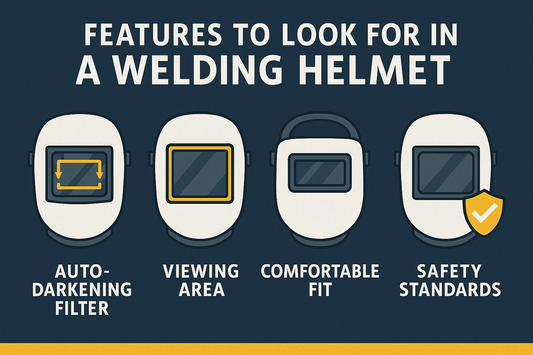
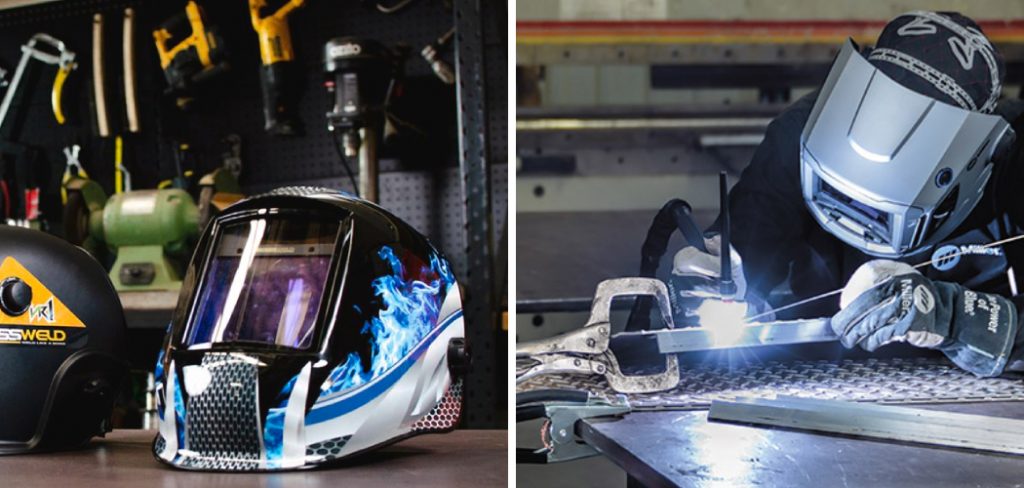
When it comes to helmets, you essentially have two main types. The traditional "passive" helmet has a fixed shade lens, meaning it’s always dark. You flip it down just before striking an arc and then flip it up to see your work. While perfectly functional and often more affordable, they can be a bit tricky for newcomers. The real game-changer, however, is the auto-darkening helmet. These ingenious devices have sensors that detect the welding arc and instantly darken the lens in a fraction of a second – often 1/25,000th of a second or faster! This means you can keep the helmet on, see clearly before welding, and then let the helmet do the work of protecting your eyes the moment you start. Many auto-darkening helmets also offer adjustable shade levels, allowing you to fine-tune the darkness for different welding processes (MIG, TIG, Stick) and amperages. Some even boast a "grind mode," which keeps the lens light for grinding tasks without removing the helmet, adding to its versatility.
Ready to jump in? Here are a few simple tips for picking your first helmet. First, for most casual welders and beginners, an auto-darkening helmet is highly recommended for its convenience and enhanced safety. Look for one with a good response time (the faster, the better) and a decent viewing area so you have a clear sightline of your work. Consider its power source – some use replaceable batteries, others are solar-powered with battery backup. Crucially, try it on! Comfort is key, especially if you plan on extended welding sessions. A well-balanced helmet with a comfortable headgear will make a huge difference. Don't feel pressured to buy the most expensive model, but also don't skimp too much on safety gear. Check reputable brands and read user reviews to get an idea of performance and durability.
Choosing your welding helmet is your first step into a rewarding and creative journey. It's an investment not just in safety, but in your ability to explore a fascinating craft. With the right helmet by your side, you'll feel confident and protected, free to unleash your inner maker and enjoy the immense satisfaction of creating something strong, beautiful, and uniquely yours. Happy welding!