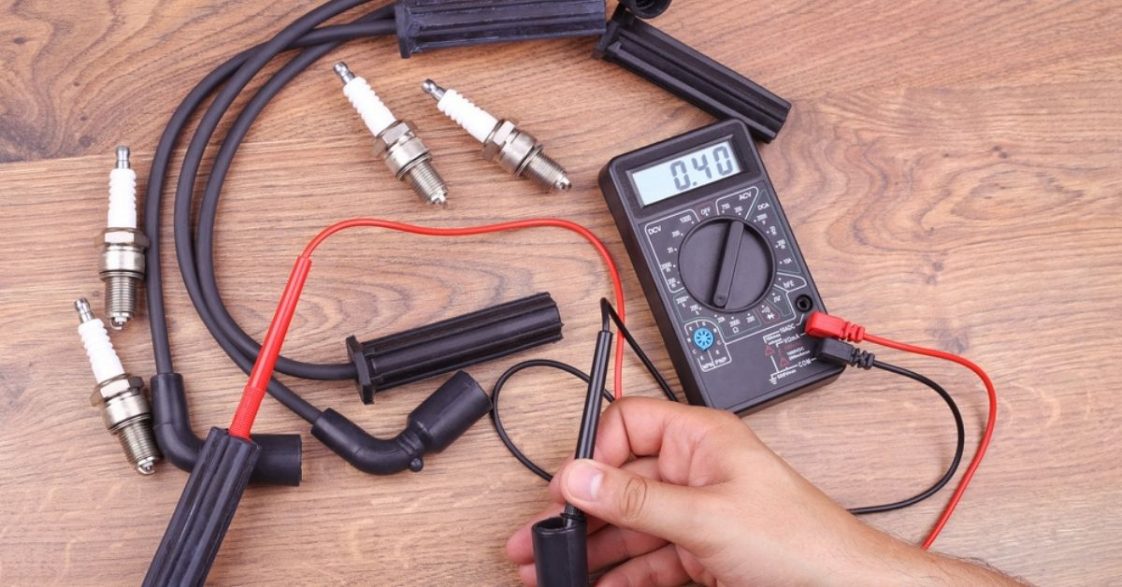
Alright, grab your coffee! We’re diving into checking your car’s spark plugs. It sounds intimidating, but it’s actually like peeking into your engine's diary. You'll learn all sorts of secrets!
Spark plugs are the tiny, fiery heart of your engine. They ignite the fuel-air mixture, making your car go "vroom!" Happy plugs mean a happy car. Unhappy plugs? That's when you get a hesitant start, a rough idle, or even a sudden drop in fuel economy. "Wait, did gas prices go up again or is it just me?"
Why bother checking them? They’re tell-tales! They clue you into bigger issues before they become expensive problems. Plus, you get serious street cred for knowing what's going on under the hood.
First Things First: Safety & Tools!
Before touching anything, two golden rules: Rule one: Engine off. Completely off, keys out. Rule two: Engine cool. Hot engines are basically oven racks on steroids. Avoid that. Patience!
Your arsenal doesn't need to be huge:

- A spark plug socket (with its rubber insert).
- A ratchet and an extension bar (plugs can hide deep!).
- A spark plug gap tool.
- A flashlight (engines love shadows).
- Maybe some anti-seize compound for reinstallation.
Locating the Little Fire-Starters
Tools ready, engine cool. Time to find the plugs! Most modern cars have them under coil packs – little boxes on top of your valve cover. Older cars use spark plug wires from a distributor. You’ll see a series of them, usually four, six, or eight, matching your engine's cylinders.
If you have coil packs, undo the small bolt holding each down, then gently twist and pull the coil pack straight up. It might resist a little. Underneath? Bingo! Your spark plug, chilling in its deep well.

The Big Reveal: Pulling 'Em Out
Crucial tip: Work on one plug at a time. Seriously, one by one. This prevents mixing up wires or coil packs, which leads to a very confusing engine start. Trust me!
Lower your spark plug socket, extension, and ratchet into the well. Once seated, give it a firm, steady turn counter-clockwise. They can be tight, so use a little muscle, but don't go full Hulk! Once loose, it should spin out easily. Pull it up, and behold! Your engine's secret weapon.
Reading the Tea Leaves (or, you know, the Spark Plug)
Now for the fun part: interpretation! Your spark plug talks to you. Look at the tip – the electrode and porcelain insulator. What color is it? What does it feel like? This is your engine's diagnostic report card!
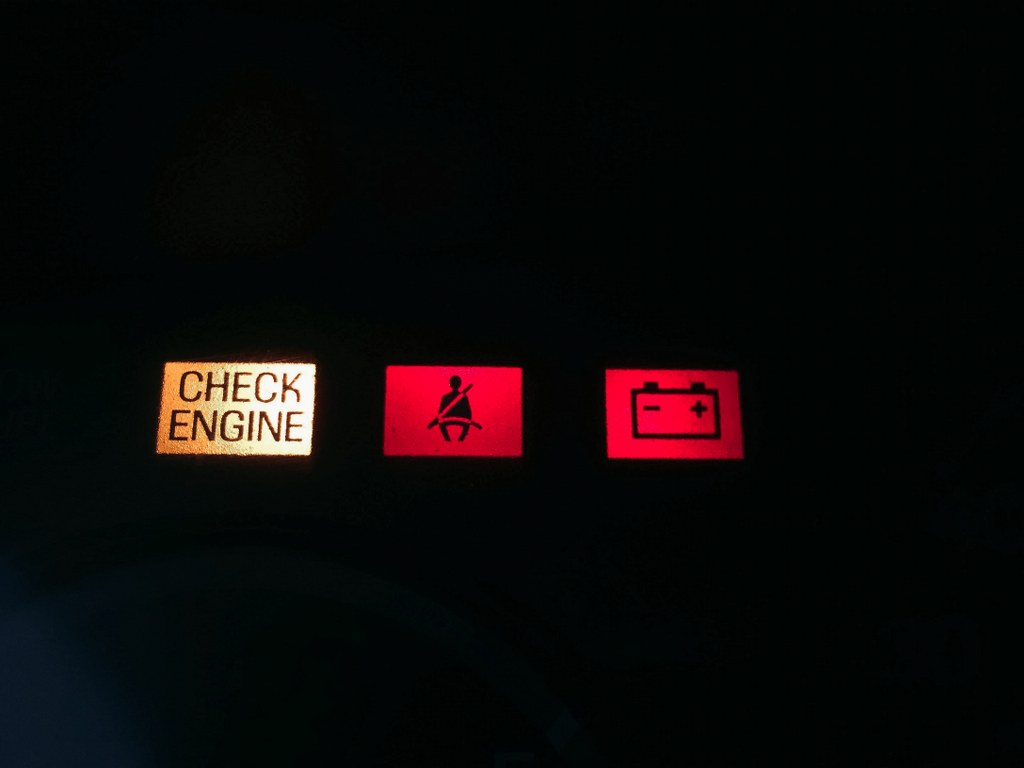
The Good News: Healthy Plug
A healthy spark plug has a light tan or grayish-brown tip. It looks clean, maybe a little dusty. This means your engine is happy, burning fuel efficiently. Pat yourself on the back, your car’s winning!
The "Hmm..." News: What Went Wrong?
- White, Ashy, or Blistered: Uh oh. Means your engine is running too hot or too lean (not enough fuel). Could be a vacuum leak or fuel delivery issue. Can lead to engine damage.
- Black, Sooty, Dry: Indicates a rich fuel mixture (too much fuel) or a misfire. Your air filter might be clogged, or an oxygen sensor acting up. You’re wasting gas.
- Black, Oily, Wet: More concerning. Oil is getting where it shouldn't be, likely due to worn valve seals or piston rings. A bigger repair, but you found it early!
- Melted or Severely Damaged: Red alert! Points to serious pre-ignition or detonation. Can be catastrophic. If you see this, stop driving and get professional help immediately. Serious business!
Gapping and Re-installation (The Home Stretch!)
Before putting a new (or cleaned old) plug back in, you might need to gap it. Your car’s manual tells you the exact gap. Use your tool to gently bend the ground electrode. Too wide or too narrow, and your spark won't be efficient.
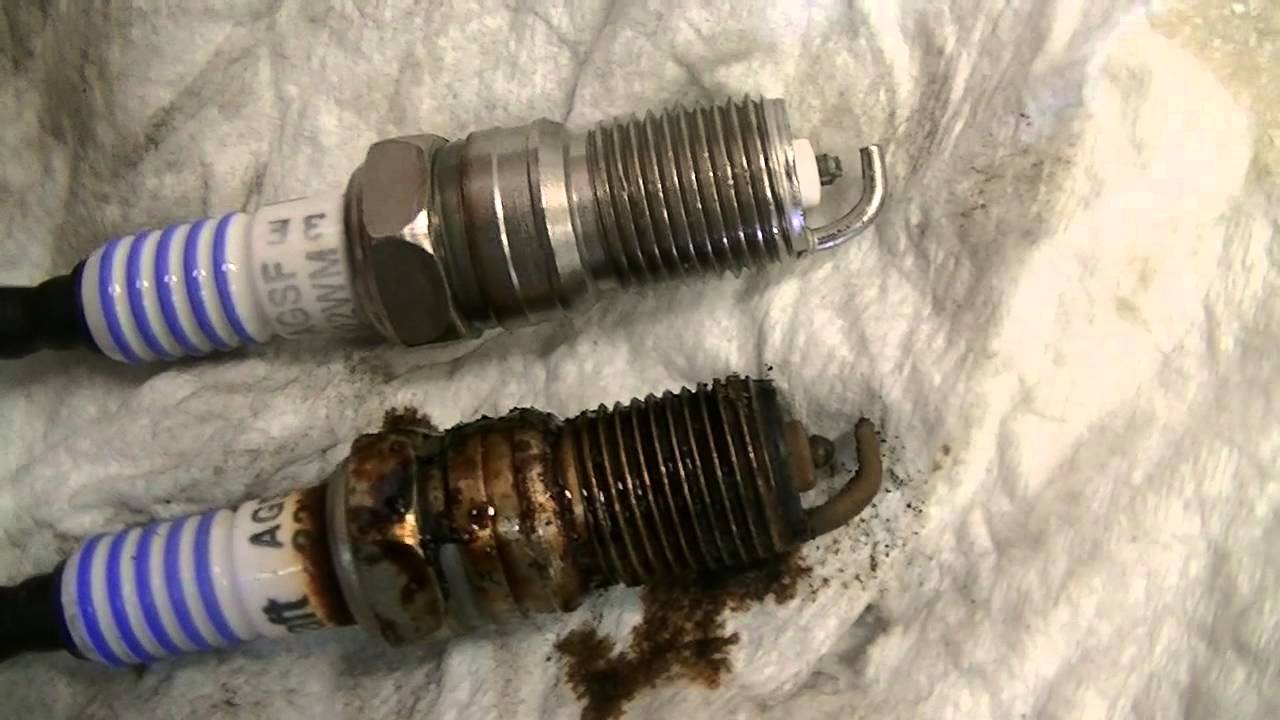
When reinstalling, first, a tiny dab of anti-seize on the threads (not the electrode!). This makes future removal easy. Hand-thread the plug in until it's finger-tight – no forcing! Once snug, give it a final quarter to half-turn with your ratchet. Don't overtighten; stripped threads are a whole new world of pain.
Pop the coil pack or wire back on securely. Repeat for all cylinders, fire up your car, and listen to that sweet, smooth idle. You just performed a mini engine check-up, diagnosed potential issues, and saved yourself a trip (and some cash) at the mechanic! How cool is that?
See? Not so scary. Go forth and impress your friends with your newfound automotive wisdom! You're basically a car whisperer now. You're welcome.