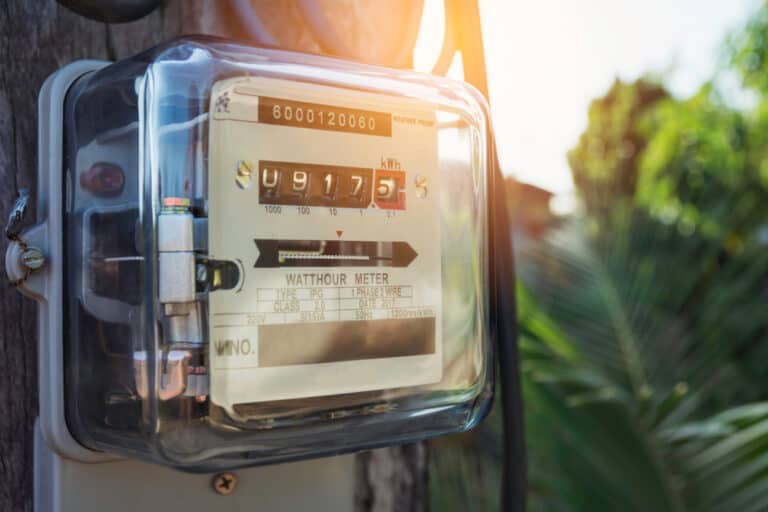
Have you ever paused to ponder the hidden world of electricity flowing into your gadgets? It might sound a bit dry, but understanding how much power your beloved monitor sips can actually be surprisingly fun and incredibly useful! We're not just talking about being a super-saver on your electricity bill (though that's a sweet bonus!), but also about being more mindful of our environmental footprint. Knowing your monitor's wattage is like having a secret superpower for smart energy choices!
So, why delve into the mysterious realm of "watts"? Well, every device you plug in uses electricity, and that usage is measured in watts. The higher the wattage, the more power it consumes, and ultimately, the more it adds to your energy bill. For something you might stare at for hours every day, your monitor's power appetite can definitely add up over time. Plus, with more and more people working or gaming from home, optimizing energy use isn't just a niche interest – it's becoming a smart, everyday habit.
Alright, let's get to the nitty-gritty: How much watts does a monitor actually use? The answer, like with many tech questions, is "it depends!" But generally, most modern computer monitors are pretty energy-efficient. You can expect a typical 24-inch to 27-inch LED monitor to consume anywhere from 15 to 30 watts when actively in use. Larger monitors, or those with higher resolutions and refresh rates, will naturally demand a bit more juice. For example, a high-end gaming monitor with a 4K resolution and a blazing-fast refresh rate could pull 50 to 100 watts or even more, especially when displaying vibrant, fast-moving content.
Several factors play a starring role in your monitor's power performance:

- Screen Size and Resolution: Bigger screens and more pixels (like 4K vs. 1080p) mean more tiny lights to power up.
- Brightness Setting: This is a big one! Cranking your monitor to maximum brightness significantly increases power draw. Think of it like a lightbulb – a dimmer bulb uses less electricity.
- Refresh Rate: Gamers love high refresh rates (120Hz, 144Hz, 240Hz), but continuously updating the screen more times per second requires extra energy.
- Panel Technology: Older LCDs used more power than modern LED-backlit LCDs. Newer OLED monitors can be very efficient, especially when displaying darker content.
- Display Content: Believe it or not, a monitor displaying a predominantly dark image (like a dark mode website) often uses less power than one showing a bright white page, especially with OLED screens.
The good news is, being energy-savvy with your monitor is super easy! Simply reducing your brightness to a comfortable level can make a noticeable difference. Utilizing your monitor's sleep mode (which typically consumes less than 1 watt!) when you step away, or even turning it off completely for longer breaks, will save power. Many monitors also come with "Eco" modes or Energy Star certifications, which indicate they meet certain efficiency standards.
So there you have it! Your monitor isn't just a window to your digital world; it's also a tiny, often overlooked, participant in your home's energy consumption. A little awareness goes a long way, helping you save a few bucks, reduce your carbon footprint, and feel like a true energy superhero. Go forth and monitor wisely!