
Ever found yourself scrolling through your phone, lights blazing, maybe even charging up your electric car, and thought, "Hey, where does all this energy actually come from?" It's a fair question! We live in an incredibly energy-rich world, but much of that modern magic comes from sources that aren't exactly infinite. We’re talking about fossil fuels: the ancient, buried sunshine that powers so much of our daily grind. So, let’s peel back the layers with a relaxed vibe and explore a question that's more fascinating than it sounds: how much fossil fuel is left?
The Great Oil Count: Not Running on Fumes Just Yet
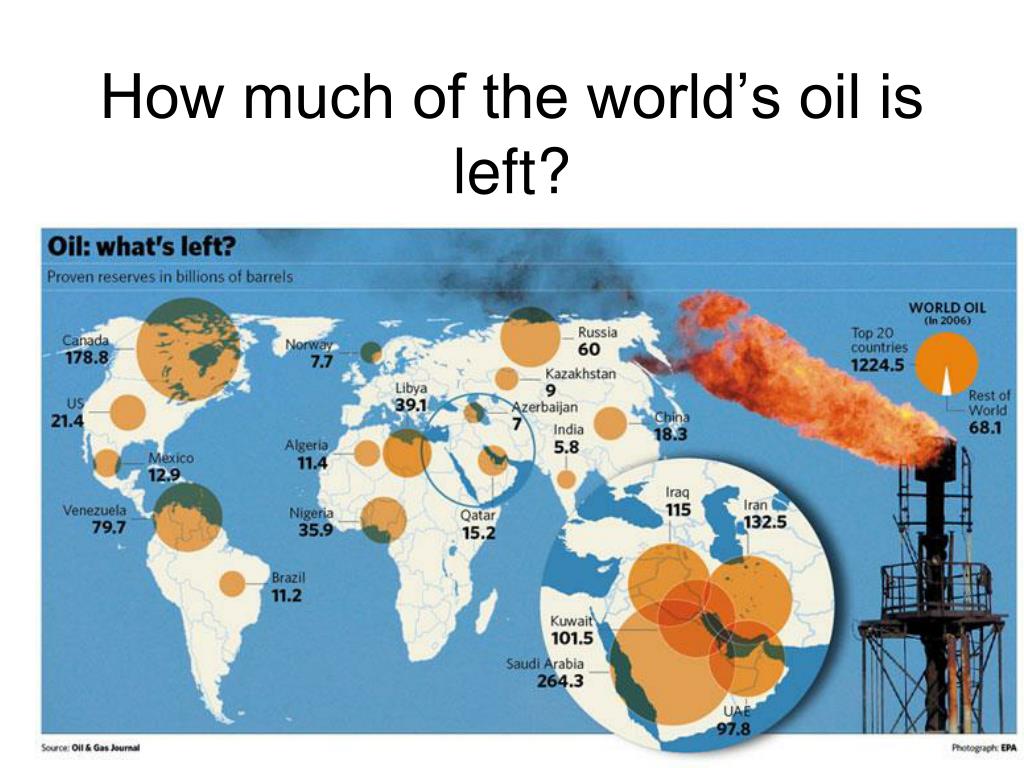
First up, oil, the king of modern transportation and a key player in countless products, from plastics to pharmaceuticals. When you hear "oil reserves," it's not just about what's physically in the ground. It’s about what we can economically extract with current technology. Think of it like a treasure hunt: there might be gold everywhere, but you only count what you can realistically dig up without going broke.
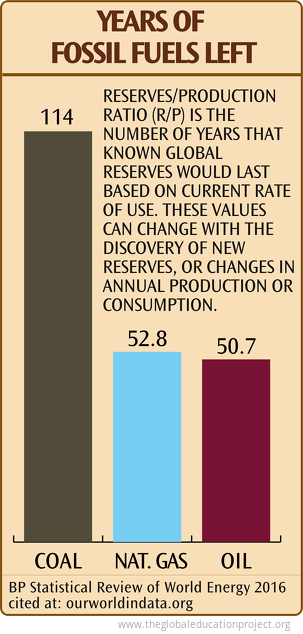
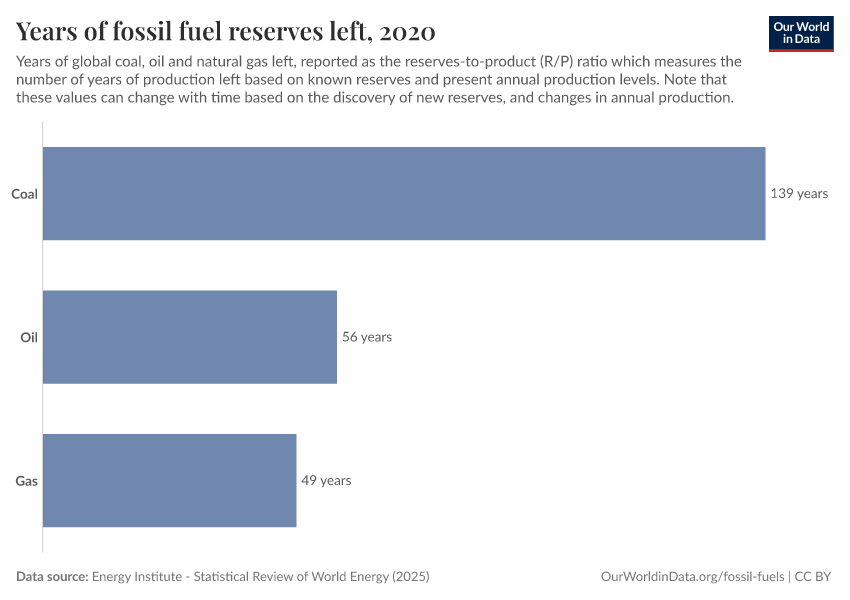
Good news? For decades, experts have predicted "peak oil" – the point where production starts to decline. And for decades, we've kept finding new sources and developing better tech to get more out of existing ones! It’s a bit like that classic movie monster that just won’t stay dead. Estimates vary wildly, but generally, we’re looking at enough conventional oil to last for several decades, perhaps 40-50 years, at current consumption rates. Of course, nobody expects us to stick to current rates, and technology keeps evolving, pushing that horizon further out. It’s a dynamic number, not a fixed countdown timer.
Natural Gas: The 'Cleaner' Bridge
Next, let's chat about natural gas. Often seen as the "cleaner" cousin in the fossil fuel family (it burns with fewer emissions than coal or oil), natural gas is a significant source for heating homes, generating electricity, and even powering some vehicles. The cool thing about natural gas is that recent technological advancements, like hydraulic fracturing (fracking), have unlocked vast new reserves that were previously inaccessible. It’s like finding a secret pantry in your house you never knew existed!
Thanks to these discoveries, global natural gas reserves are looking pretty robust. We’re talking about potentially 100+ years of supply at current usage. That’s a good long run, making it a viable "bridge fuel" as we transition to even greener energy sources. It gives us a bit more breathing room to innovate without pulling the plug on everything overnight.
Coal: The Abundant Elder
Now, for the big one – coal. This is the OG (Original Gangster) of the industrial revolution, and it's still a massive player in global energy, especially for electricity generation. If oil is a pop star and natural gas is a trending influencer, coal is the wise old rock legend who still packs stadiums. And here's the kicker: we have a lot of it.
Compared to oil and gas, coal reserves are truly staggering. Estimates suggest we have enough recoverable coal to last for well over 150-200 years, perhaps even more, at current consumption levels. That's a serious chunk of time! The challenge with coal, however, isn't its availability, but its environmental impact. It's the most carbon-intensive fossil fuel, meaning burning it releases the most greenhouse gases. So, while plentiful, its future usage is heavily debated due to climate change concerns.
The Real Takeaway: It's Not Just About Running Out
So, putting it all together, it’s not like we're going to wake up tomorrow and suddenly be out of fossil fuels. The conversation is far more nuanced than that. It's less about the literal "running out" and more about two critical factors:
- Economic Viability: How much does it cost to get it out of the ground? Some reserves are simply too expensive or difficult to extract.
- Environmental Limits: More importantly, our planet's capacity to absorb the emissions from burning these fuels is finite. The question isn't just "Can we get it out?" but "Should we get it out, and what are the consequences?"
Think of it like having a super delicious, giant cake. You could eat the whole thing, but you know you’ll feel terrible afterwards. It’s not that the cake runs out, it’s that your body gives up first!
Your Everyday Energy Adventures
This big picture might feel a bit distant, but it connects directly to our daily lives. Every flick of a light switch, every mile driven, every online order delivered – it all has an energy footprint. And here's where you come in, not with grand gestures, but with tiny, powerful choices:
- Unplug those chargers! They pull "phantom" power even when not charging. It’s like leaving a tiny tap dripping all day.
- Embrace LED: Swapping old incandescent bulbs for LEDs isn’t just modern; it’s a seriously savvy energy move. Your wallet and the planet will thank you.
- Mindful Driving: Carpool, combine errands, or rediscover the joy of walking or biking. Plus, better for those steps goals!
- Support Renewable Energy: If your utility offers green energy options, explore them! Your demand helps drive the market.
The exciting part is that the world is already shifting. Solar panels are becoming cheaper and more efficient than ever, wind farms are dotting landscapes, and battery technology is advancing at lightning speed. We’re moving towards a future where energy isn't just abundant, but also cleaner and more sustainable.
So, while fossil fuels still play a huge role, understanding their finite nature and environmental impact empowers us to make smarter choices. It’s not about fear, but about consciousness. Every small step towards a more energy-aware lifestyle adds up, creating a ripple effect for a brighter, more sustainable tomorrow. Let's make every kilowatt count!
/cdn.vox-cdn.com/uploads/chorus_asset/file/16283719/ff_subsidies.png)